


A single room often costs $400 to $1,200, and a full interior repaint for a 1,500 to 2,000 square foot home commonly lands around $3,000 to $8,000. That's the honest starting point, but it's only a starting point because two painting quotes that look similar on paper can reflect very different amounts of prep, detail work, and risk.
Most homeowners start in the same place. They want a room, a few rooms, or the whole house painted, they ask for estimates, and the numbers come back all over the map. One bid looks manageable, one feels high, and one is so low it makes you wonder what was left out.
That confusion usually comes from looking at the bottom line before looking at the scope. Painters don't just charge for paint on the wall. They charge for setup, protection, repair work, access, detail work, product selection, and the time it takes to finish cleanly. If you understand how a quote is built, you can judge whether it's fair instead of guessing.
Decoding Your Painting Estimate
A homeowner gets three estimates for the same living room. One number feels high. One seems reasonable. One is low enough to be tempting. Then the second guessing starts.
That's normal, because painting estimates often mix pricing styles, assumptions, and levels of detail. In major U.S. residential markets, painters commonly anchor pricing to square footage, with interior painting at about $2 to $6 per square foot and exterior painting at about $1.50 to $4 per square foot according to this 2026 painting estimate guide from FreshBooks. That same reference notes that full interior repaints for 1,500 to 2,000 square foot homes commonly run $3,000 to $8,000, while single rooms often fall between $400 and $1,200.
What matters is not memorizing those numbers. It's knowing what they don't tell you. They don't tell you whether the painter is including drywall repairs, stain blocking, trim, ceilings, furniture moving, or premium paint.
Practical rule: A fair quote explains the work. An unfair quote hides behind a low total.
I've seen homeowners compare painting prices the same way small business owners compare websites. The sticker price gets attention first, but the true value is in what's included, what's excluded, and what happens if the scope changes. That's why a good comparison tool matters, whether you're pricing paint or reviewing a local web design pricing guide for another service category.
What a usable estimate should show
A solid painting estimate should spell out more than the final number. It should make the scope readable.
If you want a better sense of how contractors build pricing from scope, this painting estimating guide is worth reviewing before you compare bids.
The Three Ways Painters Price a Job
Painters usually price work in one of three ways. By the square foot. By the hour. Or by a flat rate per room or project. If you don't know which model you're looking at, it's easy to compare unlike-for-unlike quotes and make a bad decision.
According to this HomeGuide pricing reference for painters, professional painters commonly charge about $1 to $6 per square foot of labor, $25 to $75 per hour, or $300 to $2,000 per room depending on scope and complexity. The same source says a standard interior repaint averages $624 per room in 2026 and about $3.75 per square foot for a room.

Square foot pricing
Square foot pricing works best when the job is broad and consistent. Empty rooms, open layouts, straightforward walls, and large exterior runs are easier to estimate this way because production is more predictable.
If a house has standard wall surfaces and not much interruption, this method gives homeowners a clean way to compare bids. It also helps painters keep quoting consistent across similar jobs.
The downside is that square foot pricing can hide detail work. A room with lots of windows, tight cut-ins, shelving, built-ins, or ornate trim may have the same floor size as a simple box-shaped room, but it takes more labor to paint well.
Hourly pricing
Hourly pricing is common when the painter can't confidently predict production speed. That usually means repairs, touch-ups, small projects, or work with a lot of unknowns.
If the walls need patching, old paint is peeling, or surfaces are irregular, hourly pricing can be more honest than forcing a flat number too early. It protects the contractor from underbidding and protects the homeowner from a rushed job where prep gets skipped to save margin.
The more uncertainty in the surface, the more likely you'll see time-based pricing.
Per-room flat pricing
Per-room pricing is simple for homeowners because the number feels easy to understand. One bedroom, one office, one dining room. Done.
It's also one of the easiest models to misunderstand. A flat per-room price usually includes assumptions about wall condition, ceiling height, trim amount, masking, and how much furniture is in the way. If your room breaks those assumptions, the price changes.
Typical Painter Pricing Models 2026 National Averages
| Pricing Method | Typical Range | Best For |
|---|---|---|
| By square foot | $1 to $6 per square foot | Larger, more uniform projects |
| By hour | $25 to $75 per hour | Repairs, touch-ups, uncertain prep |
| By room | $300 to $2,000 per room | Clearly defined room-based work |
A good contractor picks the pricing model that matches the risk in the job. A bad one picks the model that makes the quote look cheaper.
Breaking Down the Bill Labor vs Materials
When homeowners ask why a painting quote feels high, they're usually thinking about gallons of paint. That's understandable, but paint itself is only one part of the bill.

The larger cost is usually labor. Not just rolling paint on a wall, but everything that has to happen before and after that step. A clean result takes setup, masking, repairs, sanding, caulking, spot priming, careful cutting-in, and cleanup.
What labor actually includes
A homeowner sees finished walls. A contractor sees process.
Labor usually covers:
If a quote is low, labor is often where corners get cut first. Less prep. Faster production. Fewer repairs. Lower attention to detail around trim lines and switch plates.
What materials cover
Materials are more than wall paint. A real quote may also include primer, caulk, patch compounds, masking paper, plastic, tape, roller covers, brushes, sanding supplies, and cleanup items.
That's why two quotes that use the same paint brand can still be far apart. One contractor may be budgeting for proper prep materials and full protection. Another may be assuming very little surface correction and minimal masking.
If a quote lists premium paint but says almost nothing about prep, ask more questions. Paint quality can't compensate for poor surface work.
The best way to read the bill is simple. Don't ask only, “How much does it cost?” Ask, “What work is this price buying?”
7 Key Factors That Increase Painting Costs
Two rooms can have the same measurements and very different prices. That's because painting labor rises when production slows down or the finish standard goes up.

According to this Homeaglow guide on painter rates, hourly painter rates typically cluster around $20 to $70 per painter, with some sources citing $20 to $100+ for specialty work. That matters because irregular surfaces, tight rooms, repairs, and heavy prep reduce throughput, so painters often use hourly billing when the job carries more productivity risk.
Where homeowners usually get surprised
Nail pops, cracked corners, peeling paint, water stains, and rough patchwork slow everything down. The painter has to fix the surface before the finish coat has any chance of looking right.
Walls go faster than trim. Ceilings, baseboards, crown molding, window casings, and doors add detail work that takes patience and cleaner technique.
Vaulted ceilings, stairwells, exterior peaks, and tight spaces reduce speed. Ladders and access equipment slow production even when the actual square footage doesn't look dramatic.
A good way to think about this is to compare it with other service industries. A basic service has one price. Precision work with more variables costs more. You can see the same logic in consumer pricing guides outside painting, including this breakdown of profitable manicure rates, where complexity and service level change the final number.
When a higher quote is justified
Deep color changes, stain blocking, or uneven previous coatings often require more product and more passes to get uniform coverage.
Outdoor work depends on temperature, moisture, scheduling windows, and drying conditions. If weather creates stop-and-start production, pricing usually reflects that risk.
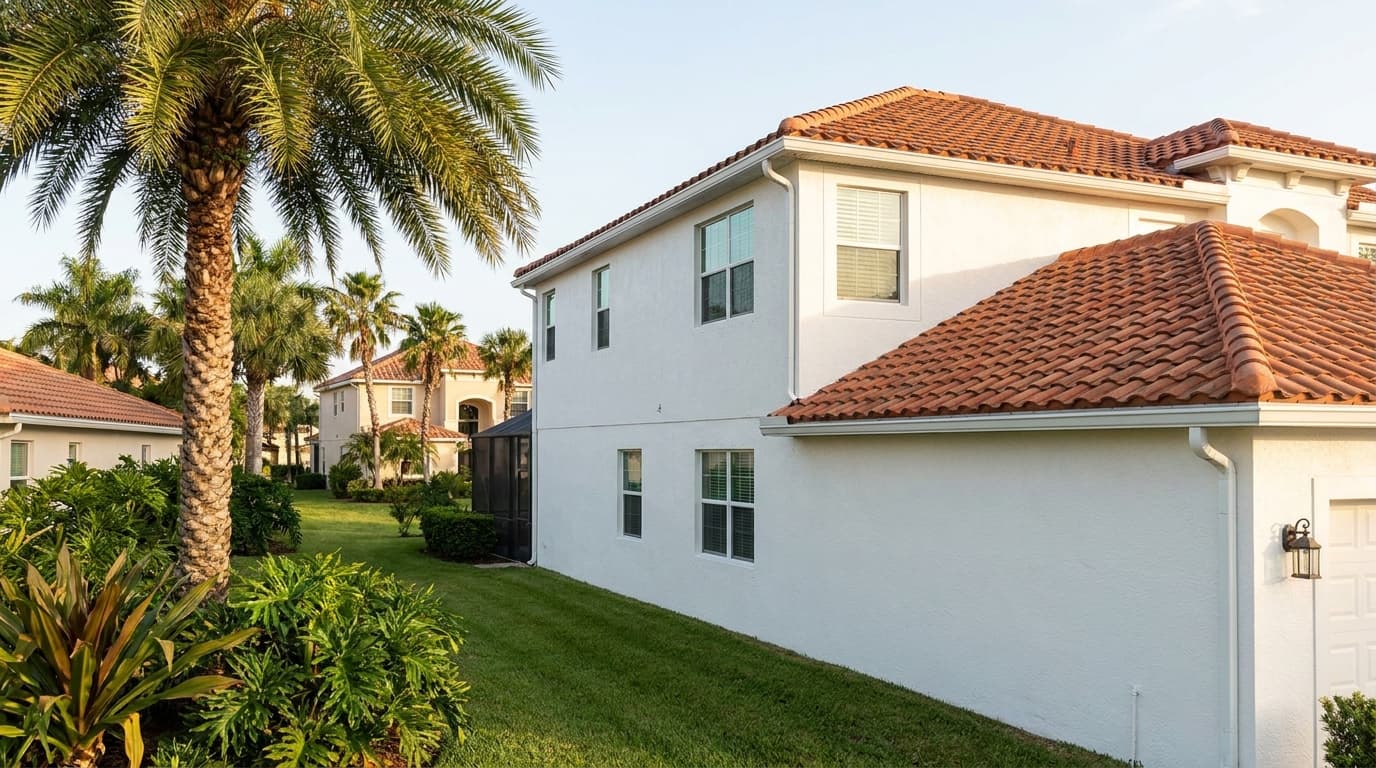
Here's a useful visual example of the kind of site conditions and details that can complicate a painting project:
Cabinets, slick surfaces, heavily worn trim, or surfaces that need careful primer selection demand more skill and more controlled application.
The fairest expensive quote is the one that tells you exactly why the job is expensive.
If one estimate is higher than the others, ask the contractor to identify which of these factors they're pricing for. If they can explain it clearly, the quote may be justified. If they can't, keep looking.
How to Get an Accurate and Fair Painting Quote
Most bad painting quotes start with a vague request. “I need a few rooms painted” doesn't give a contractor enough to price accurately, so the estimate turns into guesswork.

The better approach is to define the scope before you ask for numbers. That improves accuracy and makes the bids easier to compare.
A simple process that works
List each room and each surface. Walls only. Walls and ceilings. Trim included or excluded. Doors included or excluded. Note damaged areas and any stains or peeling paint.
A real quote should show what's included, not just a total. If you want a starting point for evaluating numbers, a fair price estimator can help frame the conversation before you book site visits.
Check prep work, products, number of coats, and whether moving furniture is included. A lower price can be higher risk if the scope is thin.
Hidden damage happens. Good contractors explain how they handle change orders before the work begins.
Contractors in many trades now use software to tighten up estimating and follow-up because vague quoting wastes time on both sides. That's part of why service businesses look for tools that help them communicate scope clearly, much like the systems discussed in this guide to plumbing software to win more jobs.
Questions to ask
A trustworthy estimate answers questions before you have to chase the answers.
If a painter avoids specifics, that usually shows up later as surprises, shortcuts, or change charges.
Hiring Smart Saving Money Without Sacrificing Quality
The cheapest quote isn't always the cheapest job. If the finish fails early, coverage is weak, or prep was skipped, you end up paying twice.
You can reduce cost without hurting the result. Move small furniture yourself. Take down wall art and curtains. Clear shelves. Bundle multiple rooms together so the crew can work more efficiently. Those steps can make the project smoother and lower labor friction.
Where to save and where not to
Save on convenience. Don't save on preparation, verification, or accountability.
In major U.S. metros and other high-cost markets, verified, licensed, and insured pros often command a premium tied to trust, speed, and reliability rather than paint coverage alone, as noted in this daily painter cost and market variability guide from Improovy. That premium can be worth it if the contractor shows up consistently, communicates clearly, and stands behind the work.
A smart hiring process looks like this:
The goal isn't to find the lowest number. It's to find the best value for the scope you need.
If you want a cleaner way to hire and compare verified contractors, HomeProBadge helps homeowners review real credentials, proof of past work, and trusted professional profiles before they book a job. It's a practical way to narrow your shortlist and feel more confident that the quote you accept is attached to a pro who can deliver.