

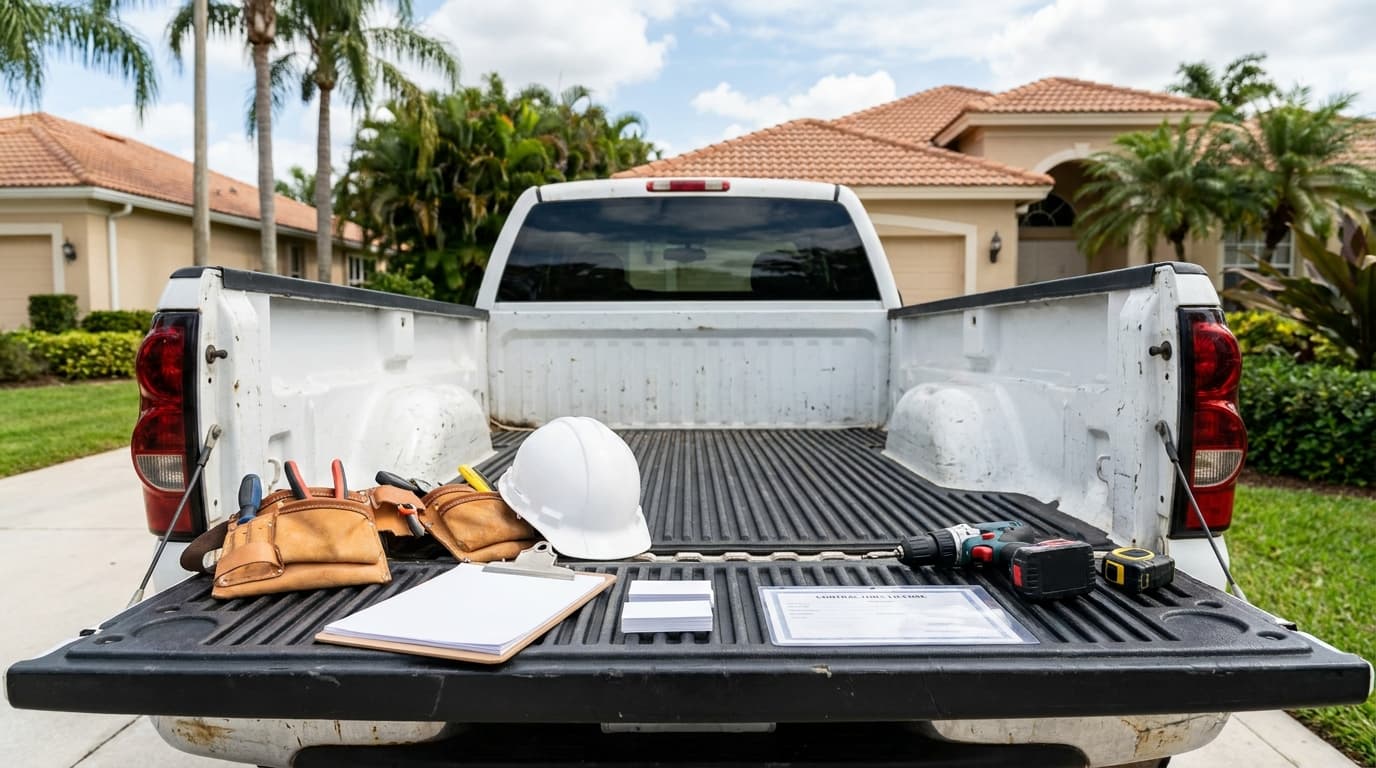

Starting a solo trade business is one of the most reliable paths to financial independence in America. The home services industry generates over $600 billion annually, and demand for skilled tradespeople continues to outpace supply. Whether you're a licensed journeyman ready to go solo or a career-changer exploring the trades, 2026 is the best time to start.
This comprehensive guide covers 25 different trades — each with its own dedicated in-depth startup article. Below, you'll find an overview of each trade, what it takes to get started, estimated startup costs, earning potential, and a link to the full guide.
Why Start a Solo Trade Business in 2026?
The numbers speak for themselves:
The barrier to entry has never been lower, and the tools available to solo operators have never been better. Platforms like HomeProBadge give you instant credibility through identity verification, AI-powered job documentation, and a professional online presence — all for free to start.
What Every Solo Trade Business Needs
Before we dive into the 25 trade-specific guides, here are the universal requirements for any solo trade business:
1. Licensing & Insurance
Every state has different licensing requirements. Some trades (like plumbing and electrical) require extensive licensing; others (like pressure washing) may only need a business license. Always check your state and local requirements.
General liability insurance ($500,000-$1,000,000 coverage) typically costs $500-$2,000/year and is non-negotiable. Many customers and platforms require proof of insurance.
2. Business Structure
Most solo operators start as an LLC (Limited Liability Company). It protects your personal assets, looks professional, and costs $50-$500 to set up depending on your state.
3. Basic Equipment
Each trade has its own tool requirements, but every solo operator needs:
4. Marketing & Online Presence
In 2026, if you're not online, you don't exist. At minimum:
5. Financial Foundation
The 25 Trade Guides — Your Roadmap to Independence
Each guide below covers licensing requirements, startup costs, equipment lists, pricing strategies, marketing tactics, and common pitfalls to avoid. Click through to read the full in-depth article for your trade.
🔧 Plumbing
Startup Cost: $5,000–$15,000 | Avg. Income: $60,000–$120,000/year | Licensing: Required in most statesPlumbing is one of the highest-demand, most recession-proof trades. Every home and business needs plumbing, and emergency calls can command $150-$300/hour. The licensing path is longer than some trades (typically 4-5 years as an apprentice + journeyman exam), but the earning potential is exceptional.
Key services to offer first: Faucet repairs, drain cleaning, water heater installation, toilet replacements, and leak detection. Why it's great for solo operators: High ticket prices, repeat customers, and emergency work that larger companies can't always respond to quickly. Read the full guide: How to Start a Plumbing Business →❄️ HVAC (Heating, Ventilation & Air Conditioning)
Startup Cost: $10,000–$25,000 | Avg. Income: $65,000–$130,000/year | Licensing: Required (EPA 608 + state)HVAC is a seasonal goldmine — summer AC installs and winter heating repairs create year-round demand. The EPA 608 certification is mandatory for handling refrigerants, and most states require additional HVAC licensing. Startup costs are higher due to specialized equipment, but so are job ticket prices.
Key services to offer first: AC tune-ups, filter replacements, thermostat installations, and basic repair diagnostics. Why it's great for solo operators: Maintenance contracts provide recurring revenue, and seasonal peaks mean premium pricing during peak demand. Read the full guide: How to Start an HVAC Business →⚡ Electrical
Startup Cost: $5,000–$15,000 | Avg. Income: $55,000–$110,000/year | Licensing: Required in all statesElectrical work requires the most rigorous licensing of any trade — typically 4+ years of apprenticeship plus journeyman and master electrician exams. But this barrier to entry means less competition and higher rates. The shift to EVs, solar, and smart homes is creating massive new demand for residential electricians.
Key services to offer first: Outlet and switch replacements, panel upgrades, ceiling fan installations, lighting, and EV charger installations. Why it's great for solo operators: High hourly rates ($75-$150+), growing demand from electrification trends, and work that homeowners can't legally DIY in most jurisdictions. Read the full guide: How to Start an Electrical Business →🏠 Roofing
Startup Cost: $8,000–$20,000 | Avg. Income: $50,000–$120,000/year | Licensing: Varies by stateRoofing has one of the highest revenue potentials per job — a typical residential re-roof runs $8,000-$25,000. While you may start with repairs and smaller jobs, a single roof replacement can equal a week's worth of smaller trade jobs. Storm damage creates surge demand that can be extremely profitable.
Key services to offer first: Leak repairs, shingle replacements, gutter installation, roof inspections, and storm damage assessments. Why it's great for solo operators: High per-job revenue, insurance claim work, and the ability to sub-contract labor for larger jobs while you manage and sell. Read the full guide: How to Start a Roofing Business →🔨 Handyman
Startup Cost: $2,000–$8,000 | Avg. Income: $40,000–$80,000/year | Licensing: Minimal in most statesThe handyman trade has the lowest barrier to entry — no specialized license required in most states (for jobs under a certain dollar threshold). If you're handy and reliable, you can start taking jobs this week. The key to handyman success is volume and repeat customers.
Key services to offer first: Furniture assembly, drywall repair, door installation, painting, shelving, and general repairs. Why it's great for solo operators: Low startup costs, diverse job types prevent burnout, and homeowners love having one reliable "go-to" person for everything. Read the full guide: How to Start a Handyman Business →🔍 Home Inspection
Startup Cost: $5,000–$12,000 | Avg. Income: $50,000–$100,000/year | Licensing: Required in most statesHome inspection is a knowledge-based trade — you need to understand every system in a house (electrical, plumbing, HVAC, structural, roofing) without necessarily being a specialist in any one area. The real estate market drives demand, and inspectors who build relationships with realtors can stay fully booked.
Key services to offer first: Pre-purchase inspections, pre-listing inspections, radon testing, mold testing, and 4-point inspections (especially in FL). Why it's great for solo operators: No physical labor, no inventory, high hourly effective rate ($300-$500 per inspection), and consistent demand from real estate transactions. Read the full guide: How to Start a Home Inspection Business →🎨 Painting
Startup Cost: $3,000–$10,000 | Avg. Income: $45,000–$90,000/year | Licensing: Minimal in most statesPainting is one of the most accessible trades with excellent margins. Material costs are relatively low, overhead is minimal, and the work is visible — making before/after marketing incredibly effective. Interior painting provides year-round work, while exterior painting is seasonal but higher-ticket.
Key services to offer first: Interior room painting, cabinet painting, exterior trim, accent walls, and commercial refresh painting. Why it's great for solo operators: Low equipment costs, easy to scale with helpers, highly visual work that markets itself on social media, and consistent demand. Read the full guide: How to Start a Painting Business →✨ Cleaning Services
Startup Cost: $1,000–$5,000 | Avg. Income: $35,000–$70,000/year | Licensing: Business license onlyCleaning has the lowest startup cost of any trade — you can literally start with supplies from the store and a reliable car. The recurring revenue model (weekly/biweekly clients) provides predictable income, and the transition from solo to small team is natural as you grow.
Key services to offer first: Recurring residential cleaning, move-in/move-out cleaning, deep cleaning, and post-construction cleaning. Why it's great for solo operators: Extremely low startup costs, recurring revenue model, easy to scale, and high demand in every market. Read the full guide: How to Start a Cleaning Business →🏊 Pool Cleaning & Service
Startup Cost: $3,000–$10,000 | Avg. Income: $45,000–$85,000/year | Licensing: CPO certification recommendedPool service is a route-based business with excellent recurring revenue — each pool client pays $100-$200/month. Build a route of 60-80 pools and you're earning $6,000-$16,000/month consistently. It's especially lucrative in Sun Belt states (FL, TX, AZ, CA).
Key services to offer first: Weekly pool maintenance, equipment repair, green pool cleanups, and seasonal opening/closing. Why it's great for solo operators: Recurring monthly revenue, outdoor work, and route density means you can service 8-12 pools per day with minimal drive time. Read the full guide: How to Start a Pool Cleaning Business →🌿 Landscaping
Startup Cost: $5,000–$15,000 | Avg. Income: $45,000–$90,000/year | Licensing: Varies (pesticide license for treatments)Landscaping combines recurring maintenance revenue with higher-ticket design/install projects. A mix of weekly mowing clients and landscape installation jobs creates a balanced income stream. The work is physical but rewarding, and the results photograph beautifully for marketing.
Key services to offer first: Lawn maintenance, mulching, hedge trimming, flower bed installation, and basic hardscaping. Why it's great for solo operators: Recurring revenue from maintenance, seasonal upsells (spring planting, fall cleanup), and easy to show off your work on social media. Read the full guide: How to Start a Landscaping Business →💧 Pressure Washing
Startup Cost: $3,000–$10,000 | Avg. Income: $40,000–$80,000/year | Licensing: Business license onlyPressure washing is one of the fastest trades to start and profit from. Equipment costs are moderate, the learning curve is short, and the before/after transformations are incredibly dramatic — making social media marketing almost effortless. Driveways, decks, fences, and building exteriors always need cleaning.
Key services to offer first: Driveway and sidewalk cleaning, deck and fence restoration, house washing, and commercial storefront cleaning. Why it's great for solo operators: Dramatic before/after results, high perceived value, quick job completion (earn while others are still quoting), and minimal licensing requirements. Read the full guide: How to Start a Pressure Washing Business →🐛 Pest Control
Startup Cost: $5,000–$15,000 | Avg. Income: $45,000–$85,000/year | Licensing: Required in all statesPest control is a recurring revenue powerhouse — quarterly treatments mean each customer generates $400-$800/year in predictable income. Licensing requirements include studying for and passing a state pesticide applicator exam, plus ongoing continuing education. The work is consistent year-round in warm climates.
Key services to offer first: General pest control (ants, roaches, spiders), rodent control, termite inspections, and mosquito treatments. Why it's great for solo operators: Recurring quarterly revenue, high customer retention, relatively quick service visits, and route density efficiency. Read the full guide: How to Start a Pest Control Business →🐾 Pet Sitting & Dog Walking
Startup Cost: $500–$3,000 | Avg. Income: $30,000–$60,000/year | Licensing: Business license, bonding recommendedPet sitting has exploded as a profession — Americans spend over $150 billion annually on their pets. The startup costs are minimal, the work is enjoyable for animal lovers, and the recurring nature of dog walking clients provides steady income. Technology apps make scheduling and payment seamless.
Key services to offer first: Dog walking, pet sitting (in-home), overnight stays, pet taxi service, and medication administration. Why it's great for solo operators: Minimal startup costs, flexible schedule, highly personal service that builds loyalty, and recession-resistant demand. Read the full guide: How to Start a Pet Sitting Business →🌱 Lawn Care
Startup Cost: $3,000–$10,000 | Avg. Income: $40,000–$75,000/year | Licensing: Pesticide license for chemical treatmentsLawn care is the gateway to landscaping — start with mowing and maintenance, then upsell into landscaping design and installation as you grow. The recurring weekly/biweekly model provides predictable revenue, and the seasonal nature allows for vacation time or winter diversification.
Key services to offer first: Lawn mowing, edging, weed control, fertilization, and aeration/overseeding. Why it's great for solo operators: Low barrier to entry, recurring revenue, scalable (add crews later), and excellent exercise while earning. Read the full guide: How to Start a Lawn Care Business →🧹 Carpet Cleaning
Startup Cost: $5,000–$15,000 | Avg. Income: $40,000–$80,000/year | Licensing: Business license, IICRC certification recommendedCarpet cleaning requires a specialized equipment investment (truck-mount or portable extractor), but the per-job revenue is excellent — $200-$500 per home. Add upholstery, tile, and grout cleaning and you've tripled your addressable market. Repeat customers and realtor partnerships drive consistent business.
Key services to offer first: Residential carpet cleaning, upholstery cleaning, tile & grout cleaning, and pet stain/odor treatment. Why it's great for solo operators: High per-job revenue, same-day completion, upsell opportunities at every job, and minimal competition in many markets. Read the full guide: How to Start a Carpet Cleaning Business →🗑️ Junk Removal
Startup Cost: $5,000–$15,000 | Avg. Income: $40,000–$80,000/year | Licensing: Business license, possibly hauling permitJunk removal is a high-demand, high-margin trade that requires minimal skill but maximum hustle. You're basically getting paid to clean out garages, attics, storage units, and construction sites. The barrier to entry is low — you need a truck and strong work ethic.
Key services to offer first: Residential cleanouts, appliance removal, construction debris hauling, estate cleanouts, and hoarding cleanup. Why it's great for solo operators: Low skill requirements, high perceived value (customers HATE dealing with junk), same-day revenue, and ability to resell/donate items for extra profit. Read the full guide: How to Start a Junk Removal Business →🪟 Window Cleaning
Startup Cost: $2,000–$8,000 | Avg. Income: $40,000–$75,000/year | Licensing: Business license onlyWindow cleaning is surprisingly lucrative — residential window cleaning jobs average $200-$400, and commercial contracts provide recurring revenue. The equipment costs are low, the work is straightforward, and customers who hire window cleaners tend to be repeat clients.
Key services to offer first: Residential interior/exterior windows, commercial storefronts, screen cleaning, and gutter cleaning (natural upsell). Why it's great for solo operators: Low startup costs, high per-hour earnings, repeat customers, and easy to combine with pressure washing for a fuller service offering. Read the full guide: How to Start a Window Cleaning Business →🏗️ Fencing
Startup Cost: $5,000–$15,000 | Avg. Income: $50,000–$100,000/year | Licensing: Contractor license in some statesFencing is a high-ticket trade with excellent project-based revenue — a typical residential fence installation runs $3,000-$8,000. The work is physical but straightforward, and the before/after transformation (bare yard → beautiful fence) makes for incredible marketing content.
Key services to offer first: Wood privacy fences, chain link fencing, vinyl fencing, gate installation/repair, and fence staining. Why it's great for solo operators: High per-project revenue, clear scope of work (fewer change orders), and strong visual results for marketing. Read the full guide: How to Start a Fencing Business →🧱 Concrete & Masonry
Startup Cost: $8,000–$20,000 | Avg. Income: $55,000–$110,000/year | Licensing: Contractor license required in many statesConcrete and masonry work commands premium pricing because it's physically demanding and requires genuine skill. Driveways, patios, retaining walls, and foundations are all high-ticket projects. The decorative concrete market (stamped, stained, polished) is growing rapidly and carries even higher margins.
Key services to offer first: Driveway and patio pours, small retaining walls, concrete repair, stamped concrete, and walkways. Why it's great for solo operators: High per-project revenue, less competition (it's hard work that many avoid), and the shift to decorative concrete means premium pricing. Read the full guide: How to Start a Concrete Business →🌳 Tree Service
Startup Cost: $10,000–$25,000 | Avg. Income: $50,000–$100,000/year | Licensing: Arborist certification recommended, tree worker license in some statesTree service is one of the most physically demanding trades but also one of the most lucrative — emergency tree removal after storms can command $2,000-$10,000 per job. The startup cost is higher due to equipment (chainsaw, chipper, stump grinder), but the per-job revenue is exceptional.
Key services to offer first: Tree trimming, tree removal, stump grinding, storm damage cleanup, and lot clearing. Why it's great for solo operators: Very high per-job revenue, storm-driven surge pricing, and a shortage of qualified operators in most markets. Read the full guide: How to Start a Tree Service Business →🔑 Locksmith
Startup Cost: $5,000–$12,000 | Avg. Income: $45,000–$85,000/year | Licensing: Required in many statesLocksmithing is a unique trade — part emergency service, part security consulting. The 24/7 emergency nature of lockouts means you can charge premium rates ($75-$200+ per call). As smart locks and electronic security grow, locksmiths who learn these technologies will have a massive advantage.
Key services to offer first: Residential lockouts, lock rekeying, deadbolt installation, automotive lockouts, and smart lock installation. Why it's great for solo operators: Emergency pricing is premium, mobile business model (no shop needed), and expanding into electronic security offers growth. Read the full guide: How to Start a Locksmith Business →🚪 Garage Door Service
Startup Cost: $8,000–$18,000 | Avg. Income: $50,000–$95,000/year | Licensing: Contractor license in some statesGarage doors break — and when they do, homeowners need them fixed NOW. The emergency nature of this trade means high per-call revenue and the ability to charge premium rates. Spring replacements, opener installations, and full door replacements are all high-margin jobs.
Key services to offer first: Spring replacement, opener installation/repair, panel replacement, track alignment, and full door installations. Why it's great for solo operators: Emergency service premium pricing, repeat customers (garage doors need maintenance), and a specialized niche with less competition than general contracting. Read the full guide: How to Start a Garage Door Business →🪵 Flooring
Startup Cost: $5,000–$15,000 | Avg. Income: $50,000–$100,000/year | Licensing: Contractor license in some statesFlooring installation is a high-demand trade with excellent project-based revenue — a typical residential flooring job runs $3,000-$10,000. The variety of materials (hardwood, LVP, tile, carpet) means you can specialize or diversify. The transformation is dramatic, making before/after marketing incredibly effective.
Key services to offer first: LVP/laminate installation, hardwood refinishing, tile installation, carpet installation, and subfloor repair. Why it's great for solo operators: High per-project revenue, variety of work prevents monotony, and strong visual transformations for marketing. Read the full guide: How to Start a Flooring Business →🔩 Appliance Repair
Startup Cost: $5,000–$12,000 | Avg. Income: $45,000–$90,000/year | Licensing: Business license, EPA certification for refrigerantsAppliance repair is recession-proof — people always need their refrigerators, washers, and dryers working. The diagnostic and repair skills transfer across brands and appliance types. With the average appliance costing $800-$2,000 to replace, homeowners are happy to pay $200-$400 for a repair instead.
Key services to offer first: Washer/dryer repair, refrigerator repair, dishwasher repair, oven/range repair, and ice maker service. Why it's great for solo operators: Recession-proof demand, quick diagnostic calls, high perceived value (saving customer from buying new), and low competition as older techs retire. Read the full guide: How to Start an Appliance Repair Business →🏗️ General Contracting
Startup Cost: $10,000–$30,000 | Avg. Income: $60,000–$150,000+/year | Licensing: Required in most statesGeneral contracting is the "graduate degree" of trades — you manage entire projects, coordinate subcontractors, and handle the business side of construction. The earning potential is the highest of any trade listed here, but so is the complexity. Most successful GCs spent years in a specific trade before transitioning to general contracting.
Key services to offer first: Kitchen remodels, bathroom remodels, room additions, deck construction, and project management. Why it's great for solo operators: Highest earning potential, ability to scale by managing subs, and diverse project types keep work interesting. Read the full guide: How to Start a General Contracting Business →How HomeProBadge Helps Solo Trade Businesses Succeed
No matter which trade you choose, HomeProBadge gives you the tools to compete with established companies from day one:
Identity Verification Badge ($9.95 one-time)
Get background-checked and identity-verified. Your HomeProBadge appears on your profile, directory listing, and every customer report — building instant trust with new customers.
AI Job Documentation (Free — 100 credits on signup)
Upload before/after photos and AI generates professional customer reports, Facebook-ready social posts, and portfolio entries. No writing required.
Professional Directory Listing (Free)
Get listed in the HomeProBadge Directory with 8,000+ verified professionals. Your listing also appears on VerticalRent — market to both homeowners and landlords.
Verified Reviews (Free)
Collect trade-specific reviews from real customers. HomeProBadge reviews are verified — no fake reviews, no paid placements.
Auto Social Posting (Free with credits)
AI writes and schedules your Facebook posts from job photos. Stay visible without spending hours on social media.
Your Next Step
Pick your trade from the 25 guides above. Read the full startup guide. Then sign up for HomeProBadge — it's free, and you get 100 AI credits to start documenting your work and building your professional presence.
The trades are calling. Your future customers are searching for you right now. The only question is: will they find you?
This guide is maintained by the HomeProBadge team and updated regularly. Last updated: April 2026.