

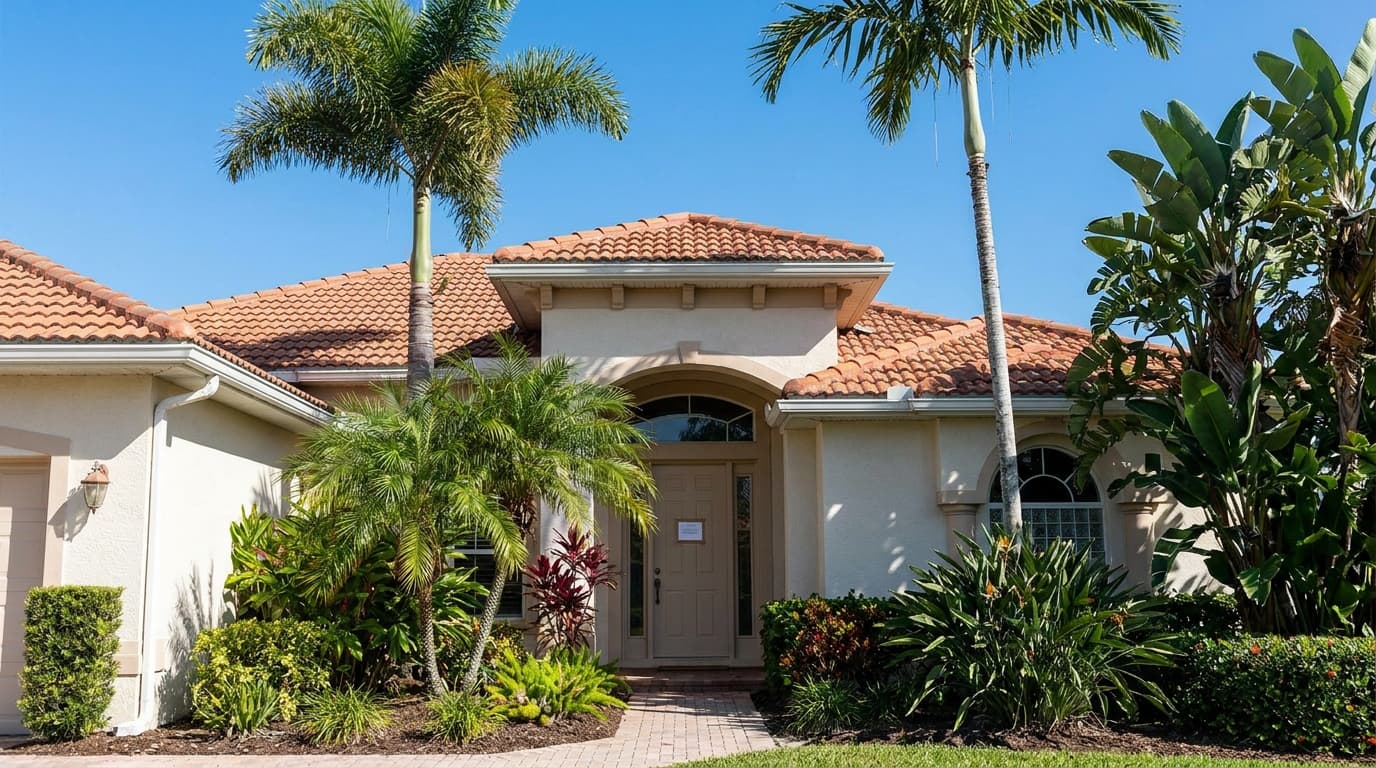

If you just received a code enforcement notice from Bay County, Florida, take a breath—you're not alone, and there's a clear path forward.
Unpermitted work violations are one of the most common issues homeowners face in Bay County. Whether a contractor cut corners, a previous homeowner didn't pull permits, or you didn't realize you needed one, the situation feels stressful. But here's the reality: violations are resolvable when you understand the process, know your local rules, and take action quickly.
This guide walks you through exactly how to resolve an unpermitted work violation in Bay County, from understanding what triggered the notice to filing for retroactive permits or legalizing the work. We'll cover Bay County–specific requirements, your rights under Florida law, timelines, and practical next steps.
Understanding Your Bay County Code Enforcement Notice
When Bay County issues a code enforcement violation, it's not a penalty—yet. It's a notice that work was completed without required permits, and your property is out of compliance with local building codes and Florida Statute 553 (the Florida Building Code).
What Triggered the Violation?
Violations typically stem from one of these scenarios:
Work completed without permits: Electrical, plumbing, roofing, HVAC, structural, or foundation work done by a contractor or DIY without pulling a permit first. Unpermitted additions or modifications: Room additions, pool installations, shed construction, fence work, or deck builds. Previous owner's unpermitted work: You bought the home not knowing work was done without permits (common in Bay County residential sales). Contractor or homeowner mistake: You thought you had a permit, or you didn't realize a permit was required. Neighbor complaint or property inspection: A neighbor reported the work, or the county discovered it during a routine inspection or title review.What Bay County is Looking For
Bay County Building Official's Office enforces both the Florida Building Code and local ordinances. They're concerned about:
Your notice will specify which code(s) were violated. This is critical—it determines your resolution path.
Key Warning: Ignoring a Bay County code enforcement notice escalates fines ($100–$500 per day in some cases) and can result in a lien on your property or forced removal of the work.
Step 1: Read and Document Your Notice Thoroughly
Your code enforcement notice is your roadmap. Don't panic—read it carefully and save it.
What to Extract From Your Notice
Document Everything Now
Take photos and videos of the work in question. If you have receipts, invoices, or contractor agreements, gather them. If a previous owner did the work, find any documentation from the sale or prior permits. This evidence helps you when you meet with the county.
Watch Related Videos on YouTube
unpermitted work violation Bay County Florida how to fix guide
Step 2: Contact Bay County Building Official's Office
Don't wait for the deadline. Call immediately.
Bay County Building Official's Office Contact Information
Phone: (850) 784-7000 (main line) or (850) 784-7040 (Building Department) Address: Bay County Building Official's Office, 840 West 11th Street, Panama City, FL 32401 Hours: Monday–Friday, 8:00 AM–5:00 PM (call ahead to confirm) Website: www.baycountyfl.gov (Building Inspections section)What to Ask
- Do you need a retroactive permit?
- Do you need a new permit?
- Do you need inspections (electrical, plumbing, structural)?
Take notes. Get the inspector's direct number if possible.
Step 3: Determine Your Resolution Path
Based on the violation type and the building official's feedback, your resolution path falls into one of these categories:
Path A: Retroactive Permitting (Most Common)
You hire a licensed contractor or engineer, pull a new permit, have inspections, and legalize the work. This is the most common path for electrical, plumbing, HVAC, and minor structural work.
Timeline: 4–8 weeks (permit processing + inspections + corrections if needed) Cost: $200–$1,500+ depending on scope and permits requiredPath B: Removal or Demolition
If the work is unsafe, illegal, or doesn't comply with current codes (or zoning), the county may require removal. This is less common but possible for major unpermitted additions or work in restricted zones.
Timeline: 2–4 weeks Cost: $500–$5,000+ depending on scope of work to removePath C: Certificate of Occupancy / Compliance Inspection
For some minor violations or if work was done before current codes, the county may issue a compliance inspection. If the work meets current standards, it's approved as-is.
Timeline: 1–2 weeks Cost: Usually just inspection fees ($50–$200)Path D: Affidavit or Variance
Some violations can be resolved with an affidavit (sworn statement) or a variance if the work meets older codes or if enforcement would be impractical. Ask if Bay County allows this.
Timeline: 2–4 weeks Cost: Minimal (usually just filing fees)Actionable Tip: Most Bay County unpermitted work violations resolve through Retroactive Permitting (Path A). If you're unclear which path applies, ask the building official outright: "Is this work eligible for a retroactive permit, or must it be removed?"
Step 4: Hire a Licensed Contractor or Engineer
If your violation involves electrical, plumbing, HVAC, or structural work, Florida law requires a licensed contractor. You cannot DIY your way out of this.
Finding a Vetted Contractor
Don't just search "contractor near me." Use these resources:
- Website: www.myfloridalicense.com
- Search: Enter the contractor's name or license number
- What to check: License status ("Active" or "Inactive"), expiration date, any disciplinary actions
What to Discuss With Your Contractor
Engineer or Technical Assistance
For structural, foundation, or complex violations, you may need a professional engineer to assess whether the work meets current codes. Your contractor can recommend one, or ask the building official if one is required.
Step 5: Prepare and Submit Retroactive Permit Application
If Path A applies, here's what happens next:
Gather Required Documents
Bay County will require:
Your contractor usually handles this. Verify they have all documents before submitting.
Submit to Bay County Building Official's Office
In-person: 840 West 11th Street, Panama City, FL 32401 By mail: Bay County Building Official's Office, 840 West 11th Street, Panama City, FL 32401 Online (if available): Check baycountyfl.gov for e-permit portal Cost: Permit fees typically $50–$400+ depending on work scope. The contractor or building official can provide a fee estimate.Processing Timeline
Important: Bay County may require multiple inspections (rough-in, final). Schedule these immediately once permits are issued. Inspection delays extend your timeline.
Step 6: Inspections and Approvals
Once your permit is issued, the county will conduct inspections.
Typical Inspection Schedule
| Work Type | Inspections Needed | Typical Order |
|---|---|---|
| Electrical | Rough-in, Final | After wiring, before walls closed; after all fixtures installed |
| Plumbing | Rough-in, Final (sometimes backflow) | Before walls/floors closed; after all fixtures installed |
| HVAC | Rough-in, Final | Before ductwork sealed; after startup |
| Structural/Foundation | As specified by engineer | Depends on work scope |
| Roofing | Inspection when complete | After installation done |
How to Schedule Inspections
Contact Bay County Building Inspections:
Phone: (850) 784-7040 What to provide: Permit number, inspection type, available times Timeline: Usually scheduled within 3–5 business daysInspection Day
If you fail, the inspector will note deficiencies. Your contractor must correct and request re-inspection.
Step 7: Obtain Final Approval and Compliance Certificate
Once all inspections pass, the Bay County Building Official's Office issues a Certificate of Compliance or Completion of Work letter.
What This Means
Request This in Writing
Ask the building official for a written compliance certificate. Keep it with your property records.
Close the Code Enforcement Case
Contact your original code enforcement officer and provide:
They will formally close the case. You're done.
Understanding Bay County Building Codes and Your Rights
Florida Statute 553: Your Legal Framework
All building work in Florida—including Bay County—must comply with Florida Statute 553 (the Florida Building Code). This statute:
Your Rights During Code Enforcement
Can You Appeal the Violation?
If you believe the violation is incorrect or the county overstepped, you can request a Code Enforcement Hearing. Here's how:
Timeline and Cost Summary
Best-Case Scenario (Simple Violation)
| Step | Timeline | Cost |
|---|---|---|
| Receive notice → Contact county | 1 day | $0 |
| Hire contractor | 3–5 days | $0 (consultation) |
| Collect documents | 3–7 days | $0 |
| Submit retroactive permit | 1 day | $0 (contractor handles) |
| County reviews permit | 1–2 weeks | $150–$400 (permit fee) |
| Inspections scheduled & completed | 2–3 weeks | $100–$300 (inspection fees) |
| Final approval & compliance issued | 3–5 days | $0 |
| Total | 4–8 weeks | $250–$700 |
Worst-Case Scenario (Complex Violation)
| Step | Timeline | Cost |
|---|---|---|
| Extended negotiations with county | 2 weeks | $0 |
| Engineer assessment required | 1–2 weeks | $500–$1,500 |
| Plans revision (if initial rejected) | 1–2 weeks | $200–$500 |
| Re-submit permit | 1 week | $0 |
| County re-reviews | 1–2 weeks | $0 |
| Multiple inspections & corrections | 3–4 weeks | $200–$500 |
| Total | 8–12 weeks | $900–$3,000+ |
How to Avoid This in the Future
Before Any Home Work
When Buying a Home
Get a Bay County–Specific Permit Violation Action Plan
If you're overwhelmed or unsure about next steps, HomeProBadge offers a county-specific Permit Violation Action Plan tailored to Bay County violations.
Here's what you get:
The plan is affordable and can save you weeks of confusion and hundreds of dollars in mistakes.
Frequently Asked Questions
Q: What if I can't afford to fix the violation right now?
A: Contact Bay County Code Enforcement and explain your situation. Some counties allow payment plans or extended timelines for financial hardship. Put your request in writing. That said, delay increases fines and compounds the problem. Prioritize resolution.Q: Do I need to tell my insurance company about the violation?
A: Yes. If a future claim involves the unpermitted work and you didn't disclose it, your insurer may deny coverage. Report the violation and the resolution to your homeowner's insurance.Q: What if the previous owner did the unpermitted work, and I just found out?
A: You're still liable as the current property owner. The violation is tied to the property, not the person. Contact the building official, explain the situation, and follow the retroactive permit process. Your title company may help if this wasn't disclosed at sale.Q: Can I sell my house while a violation is open?
A: Technically yes, but it's a major problem. Title issues, code violations, and open enforcement actions scare buyers and lenders. Most real estate agents won't list a property with active violations. Resolve it first. It'll be faster and cheaper than dealing with buyer disputes.Q: Does a violation appear on my credit report?
A: Not directly. But if the county obtains a lien on your property (for unpaid fines), it will affect your credit and future financing. Resolve violations before liens attach.Q: What if I disagree with the violation—the work is fine?
A: Request a hearing. Bay County Code Enforcement Board will review. But be honest: if the work truly is unpermitted, the board will uphold the violation. Your best move is resolution, not argument.Q: How do I prevent violations when hiring contractors?
A:Q: What if my contractor disappeared after doing the unpermitted work?
A: Hire a new, licensed contractor to pull permits and complete inspections. You may have legal recourse against the original contractor (small claims court, DBPR complaint), but your priority is resolving the violation. Address that first.Q: Is there a way to avoid the full retroactive permit process?
A: Rarely. Florida Statute 553 and Bay County code require permits for most significant work. Some minor violations (e.g., shed under a certain size, fence below height limits) might have expedited paths. Ask the building official, but don't count on shortcuts.Q: How long does a violation stay on my property record?
A: Once resolved and compliance is certified, the violation is closed. It may remain in county records, but it's no longer active or enforceable. Future title searches won't flag an open violation.Final Thoughts
An unpermitted work violation in Bay County feels urgent and stressful—and rightfully so. But it's also resolvable through a clear, step-by-step process. You have rights, options, and a timeline. The key is acting quickly, being honest with the building official, hiring a licensed contractor, and following through.
Most Bay County violations resolve within 60–90 days when you take action immediately. The longer you wait, the higher the fines and the more complicated the process becomes.
Your next step: Call Bay County Building Official's Office at (850) 784-7040, confirm your violation details, ask about retroactive permitting, and schedule a conversation with a licensed contractor. In most cases, you'll be back in good standing within 8 weeks.If you need a personalized roadmap—specific to your violation, your county, and your situation—HomeProBadge's Permit Violation Action Plan delivers a structured strategy in hours, not days. It's designed to save you time, money, and stress.