

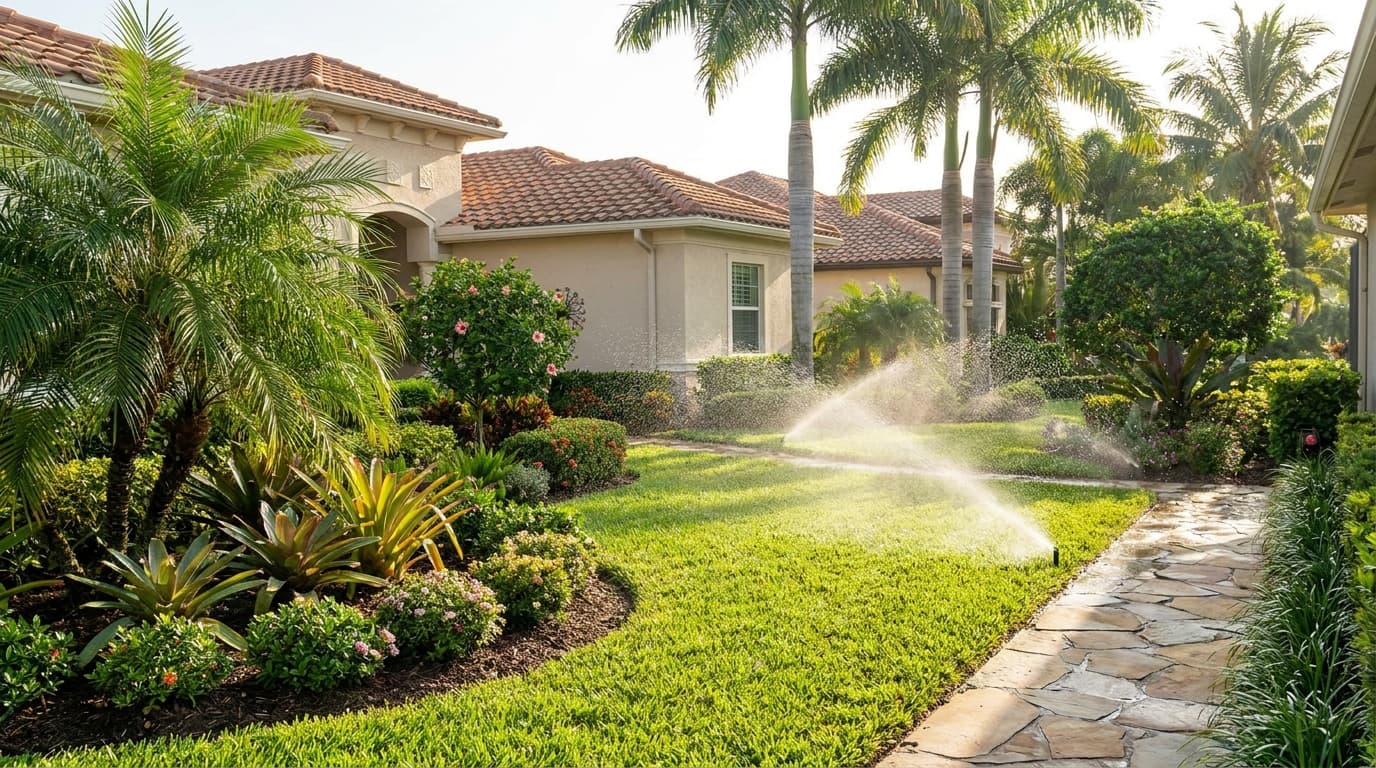

If you're a landscaping professional in Pinellas County, Florida, you already know that the competitive landscape is tougher than ever. Homeowners want proof that you're legitimate. They want to see your past work. They want reassurance that your crew knows the permitting process inside and out. And honestly? That's fair. The difference between a contractor who understands Pinellas County's Building Code requirements (anchored in Florida Statute 553) and one who just swings a shovel is substantial—and it shows in your reputation, your pricing power, and your ability to close deals.
This guide isn't about ranking generic "top contractors." Instead, it's about equipping you—as a landscape professional—with the strategies, resources, and credential-building tools that separate market leaders in Pinellas County from the rest. We'll walk through the exact landscape (pun intended) of permit-compliant work, show you where homeowners are looking for verified contractors, and explain how to position yourself as a premium provider who gets hired because clients trust you from day one.
Why Permit Compliance Matters for Landscape Contractors in Pinellas County
Pinellas County encompasses Tampa Bay's western communities—Clearwater, St. Petersburg, Largo, Pinellas Park, and dozens of smaller towns. It's a region experiencing sustained growth, meaning new residential construction, renovation booms, and homeowners eager to invest in curb appeal and outdoor living spaces.
But here's the catch: the county's Building Department doesn't mess around. Landscape work—particularly anything involving grading, drainage modification, hardscaping, pool enclosures, or structures—often requires a permit. Miss that requirement, and your client faces code violations, fines, and liens that can derail their property sale or refinancing.
For you, as a contractor, this is an opportunity and a liability shield rolled into one.
The opportunity: Most of your competition doesn't proactively explain permitting. They just do the work and hope no one notices. When you position yourself as a permit-aware professional, you instantly stand out and can command higher pricing because you're solving a problem homeowners didn't even know they had. The liability shield: By understanding and adhering to Pinellas County's building code and permit requirements (governed by Florida Statute 553.73 and adopted through the Florida Building Code), you protect both your client and your business. No surprise violations. No lawsuits. No license suspension.Pinellas County Building Code & Permitting Landscape
Before we talk about contractors and how to become one clients trust, let's establish the baseline.
Pinellas County Building Department administers the Florida Building Code across unincorporated areas. Municipalities (Clearwater, St. Petersburg, Largo, etc.) often adopt and enforce their own versions with local amendments. This fragmentation means:
For a contractor not familiar with these nuances, it's a minefield. For one who is, it's a moat.
Watch Related Videos on YouTube
best landscaping contractors Pinellas County Florida how to fix guide
How Homeowners Are Finding & Vetting Landscaping Contractors
Understanding where clients look—and what they need to see—is half the battle.
Google Search & Local Map Listings
Most homeowners start with "landscaping contractors near me" or "best landscapers Pinellas County." They expect to see:
This is table-stakes. If you're not here, you don't exist to 80% of homeowners.
Social Proof & Portfolio Visibility
Homeowners increasingly check Instagram, Facebook, and contractor review platforms. They want to see your actual work—real projects, real transformations, real client feedback.
Key insight: Homeowners who've been burned by unlicensed or unprofessional contractors are now hypersensitive to credentials. They're looking for proof—not just claims.
Specialized Platforms (Like HomeProBadge)
A new class of tools is emerging: verification-first contractor directories. HomeProBadge, for example, is a Pinellas County-focused platform where homeowners can find landscaping contractors filtered by trade, county, and verified credential status. Contractors appear here when they've completed a background check and identity verification—creating a simple, transparent trust signal.
For you: Being listed on a trust-first directory like HomeProBadge immediately separates you from the field. Homeowners seeking verified contractors on such platforms are willing to pay premium pricing because they've already decided that proof matters more than the cheapest bid.
Five Strategies to Position Yourself as a Top Landscaping Contractor in Pinellas County
1. Get Credentialed & Verified
Start with the basics:
Action item: If you don't have a HomeProBadge-verified profile yet, create one at https://www.homeprobadge.com/florida/pinellas-county. It takes 10 minutes and positions you in the fastest-growing trust-based directory for home service pros in Florida.
2. Specialize in Permit Compliance Work
Most landscapers dabble. The winners in Pinellas County specialize.
Choose a niche:
Become known for solving permit problems. Create case studies. Write about it. Show before-and-after photos. When a homeowner searches "how to fix unpermitted landscaping Pinellas County," your name should come up.
3. Document & Showcase Your Work
Clear, professional before-and-after photos are your currency.
Best practices:
4. Educate Homeowners (& Build Authority)
Write or create content about landscape permitting in Pinellas County.
Examples:
This content does two things: It builds your authority (Google ranks educational content high), and it positions you as someone who thinks about homeowner problems, not just someone who swings a shovel.
5. Build Referral Relationships with Permit Experts
In Pinellas County, homeowners often discover permit violations through:
These professionals are pain points for homeowners—and opportunities for you. If you build a relationship with a real estate attorney, a permit expediter, or a county code consultant, you become their go-to contractor for remediation work.
Offer them a referral fee structure. Make it easy for them to send clients your way. This is how premium contractors in Pinellas County keep pipelines full.
Comparison Table: Credential & Verification Pathways for Landscape Contractors
| Credential | Issuer | Cost | Timeline | Renewal | Value to Homeowners |
|---|---|---|---|---|---|
| Florida Landscape Contractor License (FLLD) | DBPR | $150–$300 | 4–6 weeks | Biennial | Proof of training & compliance |
| General Liability Insurance | Private insurers | $400–$1,500/yr | 1–3 days | Annual | Financial protection for client damage |
| HomeProBadge Verified Contractor | HomeProBadge | $9.95/yr | <24 hours | Annual (re-verified) | Background check + identity verification |
| Before-and-After Portfolio | Self-created | $0 (photos) to $500+ (pro) | Ongoing | N/A | Proof of past work quality |
| Written Client Reviews | Client-provided | $0 | After project | N/A | Social proof & trust signals |
| Google Business Profile | Free | <24 hours | Ongoing | Local SEO visibility & client trust |
County-Specific Considerations for Landscape Permits
Stormwater & Drainage (Critical in Pinellas County)
Pinellas County's stormwater rules are strict. The county sits at or near sea level, meaning:
If you specialize in drainage and can speak credibly about SWPPP, retention requirements, and Florida Statute 403.015 (water resources law), you're immediately premium-tier in your market.
Hardscape Engineering
Retaining walls over 4 feet in height require a licensed engineer's stamp in Pinellas County (and most of Florida). Contractors who skip this create liability for themselves and the homeowner.
Solution: Partner with a structural engineer. Build that relationship. Know who to call, how long it takes, and what it costs. This becomes a selling point: "We handle the engineering so you don't have to worry."
Wetland & Environmental Buffers
If a property touches or is near a wetland (common in Pinellas), there are setback requirements and potential permitting through the Southwest Florida Water Management District (SWFWMD). A contractor who understands these nuances and proactively flags them wins trust and avoids disasters.
Homeowners Association (HOA) Rules
Many Pinellas County properties are in HOAs with their own landscaping restrictions. Smart contractors verify HOA rules before proposing work, saving time and preventing conflicts.
Pro tip: Make HOA rule verification a formal part of your pre-project consultation. Include it in a written checklist provided to clients. This signals professionalism and care.
Case Study: How a Permit-Focused Approach Transformed One Landscape Contractor's Business
While we can't name specific contractors without verification, the archetype is clear:
A landscape contractor in Clearwater (Pinellas County) started as a traditional "mowing and mulch" operation. Margins were thin. Competition was fierce. Then, after a client's unpermitted drainage work caused a neighbor dispute, the contractor decided to specialize in permit-compliant landscape redesigns, particularly for drainage and grading.
The shift involved:
Within 18 months:
The point: Specialization in permit compliance transforms landscaping from a commoditized service to a specialized one. And that's where profit lives.
Where Homeowners Are Looking for Landscape Contractors in Pinellas County
Google & Google Maps
Homeowners type "landscaping contractors Pinellas County" or "best landscapers near me" and expect to see local results. This is where most discovery happens. Optimize your Google Business Profile with:
HomeProBadge Directory
A new generation of homeowners—particularly those burned by poor contractor experiences—is searching verified contractor directories. HomeProBadge is purpose-built for Pinellas County and allows homeowners to filter by:
Being listed here puts you in front of quality-conscious homeowners actively seeking verified professionals.
Social Media
Instagram and Facebook are where before-and-after landscaping photos thrive. Regular posting with hashtags like #ClearwaterLandscaping, #StPetersburgLandscaper, #PinellasCountyLandscaping drives both brand awareness and direct inquiries.
Nextdoor & Local Facebook Groups
Homeowners often ask for contractor recommendations in neighborhood-specific groups. If you're active (helpful, non-spammy) in these communities, you get warm referrals.
Referral Networks (Attorneys, Real Estate Agents, Code Consultants)
For permit compliance work specifically, the referral pipeline is crucial. Build relationships with professionals who encounter homeowners with permit problems.
Red Flags: What Homeowners Should Avoid (And What Positions You as the Better Option)
Knowing the common contractor mistakes helps you position yourself against the competition:
The Bottom Line: How to Become a Top Landscaping Contractor in Pinellas County
There's no secret. The contractors winning in Pinellas County in 2026 share these traits:
If you're a landscape contractor in Pinellas County ready to compete at the premium level, start here:
Do these things consistently, and you won't be competing on price. You'll be the go-to contractor homeowners trust—and homeowners who trust you happily pay premium pricing for peace of mind.
The landscape business in Pinellas County is shifting from commodity to credibility. The winners are those ready to make that shift first.