

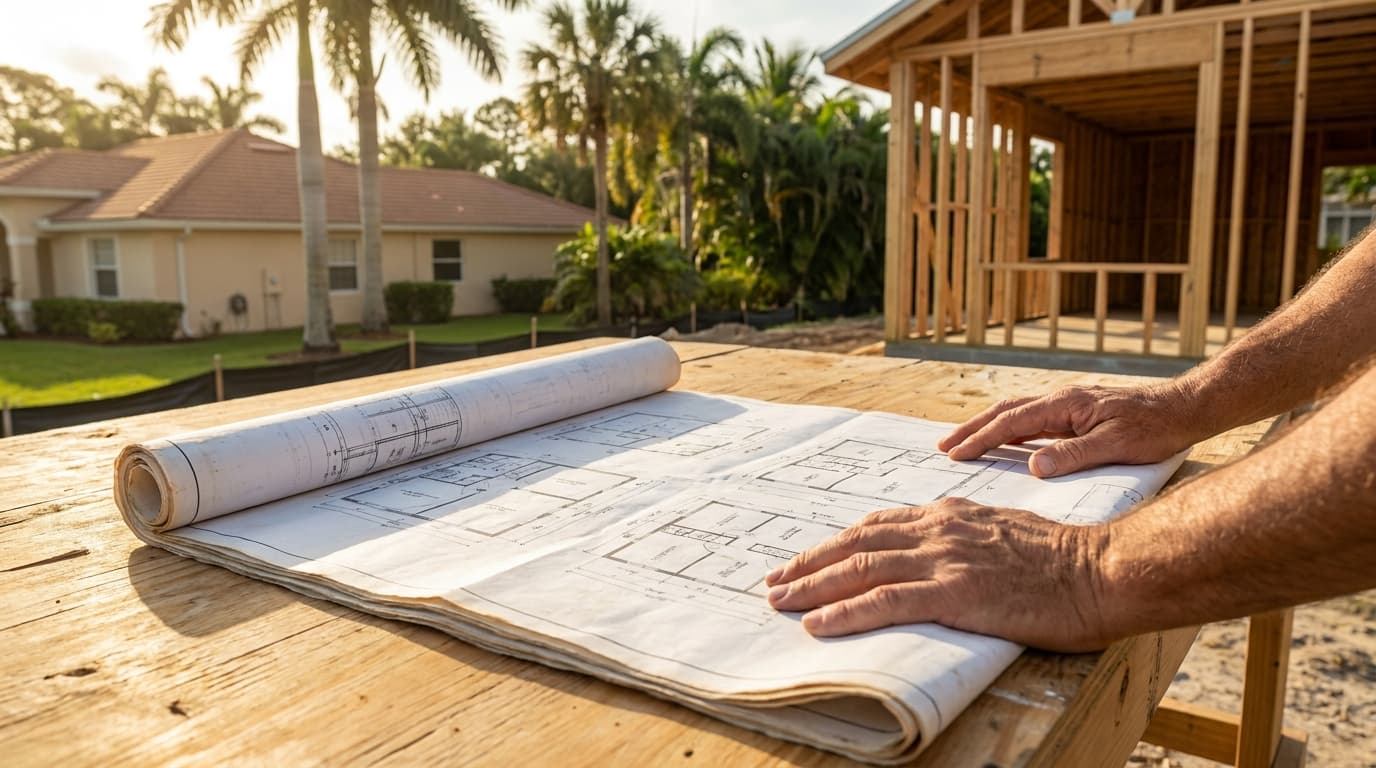

Permit compliance work is one of the most underutilized revenue streams for general contractors in Pasco County—and the market is heating up.
Every month, homeowners in Pasco County discover unpermitted work on their properties during sales transactions, refinances, or routine inspections. Most don't know where to start. Many panic. And nearly all of them are actively searching for a contractor they can trust to fix the violation and navigate the county's permit process.
For general contractors with the right systems, knowledge, and visibility, this represents a consistent, high-margin business line. The work is steady, homeowners are motivated, and the path to recurring referrals is clear—if you know how to build it.
This guide walks you through how to position your contracting business to win these jobs, establish yourself as the go-to permit compliance expert in Pasco County, and create a sustainable competitive advantage.
Step 1: Understand Pasco County's Permit Violation Landscape
Before you can win compliance jobs, you need to understand what violations look like in Pasco County and why they happen.
The Pasco County Building Code Framework
Pasco County operates under Florida Statute 553 (the Florida Building Code) and the Pasco County Land Development Code. Most permit violations fall into a few categories:
Under Florida Statute 553, any work that affects structural integrity, mechanical systems, electrical systems, or plumbing requires a permit. The Pasco County Building Department enforces these requirements, and violations can create major problems for homeowners—especially during refinances or sales.
Key insight: Most permit violations in Pasco County are discovered during mortgage refinances (45%), home sales (38%), and insurance inspections (17%). This means homeowners are often under time pressure when they need your help.
Why Homeowners Face Violations
Most violations aren't intentional fraud. Instead, they result from:
Understanding this context helps you position yourself as a problem-solver, not a judge.
Step 2: Build Your Permit Compliance Expertise
Winning these jobs requires more than basic construction knowledge. You need specialized expertise in Pasco County's permit process, violation remediation, and the documentation homeowners need.
Get Certified in Florida Building Code Compliance
Invest in formal training:
Study Pasco County's Specific Processes
Every county has different permit timelines, documentation requirements, and inspection protocols. For Pasco County specifically:
Download the Pasco County Permit Application Checklist from the county website and study it. Memorize the required documents:
Pro tip: Call the Pasco County Building Department (Dade City: 352-521-4500) and request a meeting with a permit analyst. Ask for a one-on-one walkthrough of the violation resolution process. Most analysts are happy to meet and will give you insider knowledge that saves you weeks of learning.
Create a Permit Compliance Playbook
Document your process in a simple playbook:
This playbook becomes your training tool for team members and your selling point for homeowners ("Here's exactly how we'll handle this").
Watch Related Videos on YouTube
general contracting permit compliance jobs Pasco County how to fix guide
Step 3: Get Verified and Build Trust Credentials
In permit compliance work, trust is everything. Homeowners are dealing with financial stress, tight timelines, and fear of legal liability. They need to know you're legitimate.
Establish Your Identity-Verified Contractor Profile
Create a free profile on HomeProBadge (homeprobadge.com), Pasco County's trusted contractor directory. HomeProBadge is an identity-verified platform where:
Your HomeProBadge profile becomes a trust asset you can share with every prospect. Homeowners searching for "permit compliance contractor near me" will find you in the Pasco County verified directory.
Obtain and Display Your Florida Contractor License
If you're not already licensed, get your Florida General Contractor License (FBPR Category: General Contractor). The requirements:
Once licensed, your license number becomes a trust signal. Display it prominently in:
Gather Proof of Insurance and Bonding
Permit compliance work requires:
Provide copies of your insurance certificates with every estimate. Homeowners will ask for this—having it ready signals professionalism.
Step 4: Develop Your Permit Compliance Service Offerings
Not all violations are solved the same way. Build service options that address different homeowner situations.
Service Option 1: Full Remediation (Bring Work Into Code)
This is the most common path. You:
Service Option 2: Variance or Compliance Waiver
Sometimes remediation is impractical or excessively expensive. Instead, you can pursue:
This requires working directly with the Building Official. It adds 4–8 weeks to timelines but can save homeowners tens of thousands of dollars.
Cost to homeowner: $1,500–$3,500 (reduced from full remediation) Your value: You save them money while solving their problemService Option 3: Removal or Restoration
In some cases (illegal additions, dangerous work, lien issues), removal is required. You:
Service Option 4: Permit Violation Action Plans (Partner Service)
While you handle construction, homeowners often need guidance on the legal and administrative side of violations. Partner with or recommend HomeProBadge's AI-generated Permit Violation Action Plans (county-specific).
These plans include:
You can reference these plans in your consultations, positioning yourself as part of a comprehensive solution.
Pricing Your Services
Use this simple framework:
| Service Type | Typical Scope | Labor Hours | Material Costs | Your Price Range |
|---|---|---|---|---|
| Roof unpermitted repair | Re-permit and pass inspection | 8–12 hours | $800–$1,200 | $2,500–$4,000 |
| Electrical panel upgrade | Bring unlicensed panel to code | 6–10 hours | $400–$800 | $1,800–$3,200 |
| Room addition remediation | Reinforce framing, electrical, HVAC | 40–60 hours | $2,000–$4,000 | $8,000–$15,000 |
| Pool permit compliance | Barrier, bonding, inspection fees | 20–30 hours | $1,500–$2,500 | $5,000–$8,000 |
| Deck or structure removal | Demo, disposal, restoration | 16–24 hours | $600–$1,200 | $3,500–$6,000 |
Adjust based on your market position and overhead.
Step 5: Create a Lead Generation System for Permit Compliance Work
Having the expertise means nothing if homeowners can't find you. Build a multi-channel lead generation system.
Channel 1: Optimize Your Online Presence for Permit Compliance Keywords
Hard truth: Most homeowners discovering violations do a Google search. They type phrases like:
You need to own these search results.
Action steps:- What types of violations you handle
- Your process (step-by-step)
- Your timeline and pricing ranges
- Client testimonials ("Helped us close our home in time" is gold)
- Your credentials and licenses
- "What To Do If You Discover Unpermitted Work Before Selling Your Home"
- "Pasco County Permit Violations: Complete Guide for Homeowners"
- "How Much Does It Cost To Fix a Permit Violation in Florida?"
- "5 Signs Your Home Has Unpermitted Work"
Channel 2: Partner with Real Estate Professionals
Real estate agents and title companies encounter permit violations constantly. They're actively looking for trusted contractors to refer.
Action steps:- Common Pasco County violations
- Your remediation process
- How you protect the agent and homeowner
- Ask for referrals ("If your clients need help, send them my way")
Strategy point: One relationship with a busy real estate agent can generate 2–4 referrals per year. Just five strong agent relationships mean 10–20 leads annually. That's 1–3 jobs per week if you convert at 50%.
Channel 3: Build a Referral Engine with Past Clients
Your best customers are past homeowners who were thrilled you solved their permit nightmare.
Action steps:Channel 4: Partner with HomeProBadge for Visibility
Your verified HomeProBadge profile puts you in front of Pasco County homeowners actively searching for permit compliance help. Your profile acts as your 24/7 lead generation machine.
Optimization actions:Step 6: Execute Your First Permit Compliance Job Perfectly
Your first few jobs set the tone for your reputation. Execute them flawlessly.
Consultation and Assessment
When a homeowner contacts you about a permit violation:
- When was the work done? By whom?
- Do they have any documentation or permits?
- What triggered the violation discovery (sale, refinance, inspection)?
- What's their timeline? (Critical if a sale is pending)
- What's their budget range?
- Have they contacted the county or building official?
Proposal and Estimate
- Description of work and scope
- Materials and labor breakdown
- Permit costs (include county fees)
- Inspection fees
- Timeline
- Your license number
- Insurance and bonding info
- Payment terms
- Week 1: Permit application
- Week 2–3: County review and inspection scheduling
- Week 4–6: Remediation work
- Week 7: Final inspection and sign-off
Work Execution
Closeout and Documentation
Step 7: Scale and Systemize
Once you've completed 3–5 permit compliance jobs successfully, you've proven your model. Now scale it.
Build a Permit Compliance Team
Hire or subcontract:
This team allows you to run multiple jobs simultaneously.
Create Your Permit Compliance Operating Manual
Document everything:
This manual becomes your playbook for training new team members and maintaining consistency.
Set Revenue Targets
Plan your growth:
At this scale, permit compliance becomes 20–30% of your overall business—a predictable, profitable line.
Build Authority Through Content
As you gain experience, position yourself as Pasco County's permit compliance expert:
Authority generates inbound leads and higher-quality referrals.
Key Warnings and Critical Considerations
Warning: Never promise to "hide" a violation or avoid permitting. This is illegal and exposes you to massive liability. Your reputation depends on integrity. Always file permits and pass inspections, no matter what.
Warning: Building code violations can involve lien issues, legal liability, and title problems. If a violation involves potential fraud, structural danger, or significant financial liability, recommend the homeowner consult a real estate attorney before you proceed with remediation.
Important: Stay current on Florida Building Code updates. The code changes every 3 years. Subscribe to updates from the Florida Building Commission and Pasco County Building Department. One mistake due to outdated code knowledge can cost you tens of thousands in rework.
FAQ: Permit Compliance Jobs in Pasco County
Q: How much should I charge for a permit compliance job?
A: Pricing depends on complexity, but typical ranges are $1,800–$15,000. Simple jobs (roof repair, panel upgrade) run $2,000–$4,000. Complex work (room addition remediation) runs $8,000–$15,000+. Build your estimate based on labor hours (at your hourly rate), materials, permits, and inspections. Always include a buffer for unknowns; violations often reveal additional code issues once work starts.Q: How long do permit violation remediation jobs typically take?
A: 3–8 weeks end-to-end. Permitting takes 1–2 weeks, remediation takes 2–6 weeks, and final inspection takes a few days. Variances and compliance waivers add 4–8 weeks. Always give homeowners a realistic timeline upfront; they're often under time pressure if a sale or refinance is pending.Q: Do I need special licenses to do permit compliance work?
A: You need your Florida General Contractor License (if you don't have one). If the violation involves specific trades (electrical, plumbing, HVAC), you'll need licensed subcontractors in those trades. Many violations are best handled by a general contractor coordinating multiple licensed specialists.Q: How do I find out about permit violations in my area before homeowners do?
A: Some contractors monitor title searches and county permit records, but this is ethically murky. Instead, focus on building referral relationships with real estate agents and title companies who discover violations and will refer them to you. That's the cleaner, more sustainable approach.Q: What if the homeowner disputes the violation or disagrees with the county's assessment?
A: Listen to their concern, but don't take their side against the Building Department. Instead, suggest they request a formal appeal or variance with the county. You can help them gather documentation and present a case, but the decision is the county's. Your job is to offer solutions, not argue code interpretation.Q: Can I get paid upfront for permit compliance work?
A: Yes. For the same reason—time pressure and risk—homeowners dealing with violations often accept 50% upfront and 50% upon completion. You can also require full payment upfront if the job is small ($2,000 or less) and the homeowner is buying the property soon. Be clear about payment terms in your estimate.Q: How do I compete with larger contractors who also do permit compliance work?
A: Specialize. Larger GCs treat permit compliance as one service among many. You treat it as your core expertise. That focus allows you to:Specialization wins in local markets.
Q: Should I create a separate "Permit Compliance" business or keep it under my existing contracting company?
A: Keep it under your existing company. Permit compliance work is just a specialization, not a different business. Use your existing license, insurance, and team. Market yourself as "[Your Company Name] – General Contracting & Permit Compliance Specialist." This is simpler and protects you legally.Q: What's the best way to track and monitor a job after it's complete to avoid future liability?
A: Keep all documentation (permits, inspection reports, photos, receipts) for 10+ years. Offer a 1-year warranty on your work. After a year, liability transfers mostly to the homeowner (they own it now). Be clear in writing: your work is warrantied for construction defects, but you're not responsible if the homeowner modifies the work or something fails due to normal wear.Q: How do I market permit compliance services without creating a negative reputation (appearing to "hunt" violations)?
A: Frame it positively. Instead of "We find violations and profit from them," say: "We help homeowners solve violations and move forward with confidence." Your messaging should always focus on the homeowner's benefit, not your opportunity. Partner with real estate professionals (they bring the violations to you), publish educational content, and let your reputation for solving problems spread naturally.Your Next Steps: Build Your Permit Compliance Business
Permit compliance work is one of the best-kept opportunities in general contracting. Homeowners are motivated, the work is steady, and your competitive advantage is real if you build it thoughtfully.
Start this week:
The contractors who win in this space are the ones who build systems, create trust, and make the homeowner's problem feel solvable. That's your path forward.
Ready to start? Create your free verified contractor profile on HomeProBadge at https://www.homeprobadge.com/florida/pasco-county. It takes 5 minutes, positions you in front of Pasco County homeowners searching for permit compliance help, and costs nothing to start. Your credibility—and your next job—is waiting.