

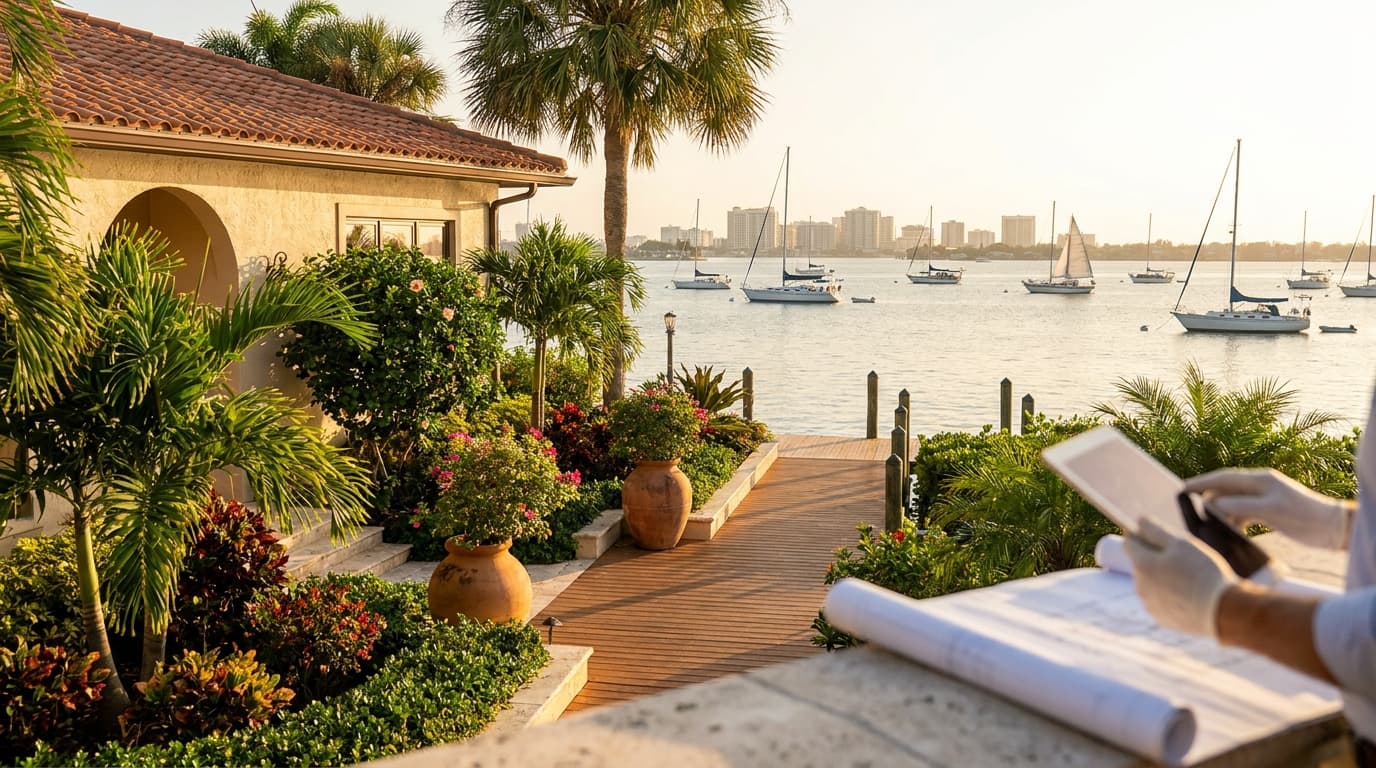

Permit compliance isn't just a regulatory checkbox—it's a goldmine for general contractors willing to specialize. Homeowners in Sarasota County face increasing code violations, unpermitted work, and inspection failures. They're searching for contractors they can trust to fix these problems correctly and permanently. If you can position yourself as the expert who solves compliance headaches, you'll tap into a consistent revenue stream that competitors are ignoring.
Right now, the market is fragmented. Most general contractors treat compliance work as an afterthought or pass it to specialists. That's your advantage. This guide walks you through the exact steps to dominate general contracting permit compliance work in Sarasota County—from understanding local code requirements to marketing yourself as the compliance authority homeowners depend on.
Step 1: Master Sarasota County's Building Code Requirements
You can't sell what you don't understand. Sarasota County operates under Florida Building Code (FBC), which adopts the International Building Code (IBC) with Florida-specific amendments. The county's enforcement is handled through building permit requirements outlined in Florida Statute 553, which governs construction, electrical, mechanical, and plumbing work.
Understand Florida Statute 553 and Local Amendments
Florida Statute 553 establishes the foundation for all building code enforcement in the state. It requires permits for:
Sarasota County's building department adds local amendments addressing hurricane-resistant construction, hurricane tie-downs, wind mitigation, and flood mitigation. These are critical compliance points that separate knowledgeable contractors from amateurs.
Review the Sarasota County Building Code Official's Guidelines
Visit the Sarasota County building permit website and download the latest Building Code Official's Guidelines. These documents outline:
Spend time reviewing recent violation notices. The county publishes aggregate data on common code violations. In Sarasota County, the top violations historically include:
Obtain Your Florida Contractors License (If You Don't Have One)
If you're operating as a general contractor in Sarasota County without a license, you're leaving money on the table and exposing yourself to legal risk. Florida Statute 489 requires anyone contracting for construction work over $1,000 to hold a valid contractors license.
Your license gives you credibility. It tells homeowners and county officials that you've passed background checks, demonstrated competency, and committed to continuing education. It's also a prerequisite for bonding and insurance, both of which you'll need for compliance work.
Step 2: Build Specialized Knowledge in the Top Compliance Problem Areas
You don't need to be an expert in every code section. Focus your specialization on the most common violations homeowners face in Sarasota County. This narrows your learning curve and lets you market yourself as a specialist.
Electrical Code Violations (FL Statute 553.7, Chapter 27 FBC)
Electrical work is the #1 source of unpermitted work in residential properties. Many DIYers and unlicensed contractors wire additions, install sub-panels, or rewire homes without permits. When homeowners try to sell or refinance, inspectors catch the violations.
Your role: Coordinate with the homeowner's electrician (or hire one if you offer that service) to bring systems into code compliance. Focus on:
Learn the inspection sequence. Electrical inspections typically happen at three points: rough-in (after wiring before drywall), final (after all fixtures installed), and service upgrade (if main panel is changed).
Roof and Hurricane Tie-Down Violations (FBC Chapter 7 & 8, Wind Mitigation)
Florida's hurricane season means roof compliance is non-negotiable in Sarasota County. Unpermitted roof replacements and inadequate tie-downs are constant red flags during inspections.
Your role: Manage roof replacement projects and retrofit existing homes with proper bracing and tie-downs. Focus on:
Certify properties for wind mitigation—this is high-value work that qualifies homeowners for insurance discounts and becomes a major selling point.
Plumbing System Violations (FBC Chapter 29, Florida Statute 553.9)
Like electrical work, plumbing violations often stem from unpermitted repairs or DIY modifications. Drain line sizing, vent stack placement, and backflow prevention are common problem areas.
Your role: Identify plumbing code issues and coordinate repairs or replacements. Learn:
Pool and Spa Violations (FBC Chapter 9, Residential Pools and Spas)
Pool and spa violations are among the easiest to spot and often the easiest to remediate. Fencing, drain covers, equipment placement, and water chemistry systems are regulated.
Your role: Conduct compliance audits and coordinate repairs. Focus on:
Step 3: Get Trained and Certified in Compliance Inspection
Credentials matter. They differentiate you from competitors and give homeowners confidence you know what you're doing.
Pursue ICC (International Code Council) Certifications
The ICC offers Building Inspector, Electrical Inspector, Plumbing Inspector, and Mechanical Inspector certifications. Passing the exam shows you've mastered code requirements.
You don't need all certifications, but focus on:
Study materials and exam prep courses are available through ICC and private training providers. Budget $500–$1,500 per certification for study materials and exam fees.
Take Advanced Compliance and Remediation Courses
Specialized training providers (like Construction Code Academy or local Florida contractors associations) offer courses in:
These programs often include certificates you can display in your office, on your website, and on marketing materials.
Subscribe to Code Update Alerts
Building codes change. Florida updates its building code every three years. Sarasota County amends codes locally based on hurricane experience and climate adaptation.
Subscribe to:
Staying current on code changes positions you as the expert and prevents you from giving outdated advice.
Watch Related Videos on YouTube
general contracting permit compliance jobs Sarasota County how to fix guide
Step 4: Develop a Compliance Audit and Remediation Process
Create a standardized, repeatable process for identifying violations and proposing solutions. This becomes your competitive advantage.
Create a Compliance Inspection Checklist
Develop a detailed checklist for your compliance inspections. Organize by trade:
| System | Compliance Checkpoints | Common Violations |
|---|---|---|
| Electrical | Panel capacity, GFCI protection, grounding, wire sizing, breaker labeling | Unpermitted rewiring, missing GFCI, undersized service, aluminum wiring |
| Roof | Fastening, tie-downs, decking, flashing, ventilation | Missing permits, inadequate tie-downs, improper fastening, damaged flashing |
| Plumbing | Drain sizing, vent placement, backflow, water lines, isolation valves | Improper drain slope, vent stack issues, missing backflow preventer, wrong materials |
| Structural | Framing, foundation, floor systems, connections | Unpermitted additions, compromised connections, sagging floors, inadequate footings |
| HVAC | Equipment sizing, ductwork, refrigerant lines, electrical connection | Oversized/undersized units, improper ductwork, missing labels, incorrect electrical spec |
| Pool/Spa | Fencing, drains, equipment, bonding, signage | Missing barrier, drain covers, bonding issues, improper signage |
Document Everything with Photos and Measurements
Use your smartphone to photograph every violation. Include:
Organize photos by area and violation type. This documentation becomes part of your estimate and helps the homeowner understand the problem.
Build an Estimate Template for Compliance Work
Your estimate should include:
Make your estimate a sales document. Explain why the violation matters (liability, resale impact, insurance implications) and how your solution fixes it permanently.
Coordinate Multi-Trade Projects Efficiently
Permit compliance often requires multiple trades. You might need an electrician, plumber, roofer, and general laborer on the same project.
Develop relationships with licensed specialists and subcontractors. Create a vetted list of reliable trades for electrical, plumbing, HVAC, roofing, and pool work. Your job is to:
Key coordination tip: Sequence trades correctly. Run electrical and plumbing inspections before drywall or flooring. Schedule roof inspections after wind mitigation work is complete. Poor sequencing costs time and money.
Step 5: Build Trust and Credibility in Your Local Market
Permit compliance work relies heavily on trust. Homeowners dealing with violations are stressed. They're worried about resale impacts, liability, and repair costs. You need to project confidence and expertise.
Create a Professional Online Presence
Your website should clearly communicate your compliance specialization:
Your website is your sales tool. It should answer the questions homeowners ask:
Claim and Optimize Your Google Business Profile
Make sure your Google Business Profile is complete and accurate:
Encourage satisfied clients to leave reviews. Testimonials about successful violation remediation are gold for trust-building.
Build Your Before/After Portfolio
Compile a digital portfolio of compliance projects. For each project, include:
Share these on your website, social media, and in your office. Real results are the most powerful marketing tool.
Get Verified on HomeProBadge
Homeowners in Sarasota County increasingly use trust verification platforms when hiring contractors for sensitive work like code remediation. Joining HomeProBadge gives you:
Your HomeProBadge profile becomes a credibility asset when homeowners are vetting contractors for compliance work. It's a simple way to stand out from competitors and build confidence with nervous homeowners.
Network with Local Real Estate and Mortgage Professionals
Real estate agents and mortgage lenders frequently encounter clients with code violations. They're constantly searching for reliable contractors to recommend.
Build relationships with:
Offer them a simple one-page referral sheet explaining your process, typical timelines, and costs for common violations. Include your contact info and testimonials. When they get a client with a violation, they'll think of you first.
Relationship-building tip: Don't push for referrals. Position yourself as a helpful resource. Offer to answer questions about common violations or explain remediation costs. When you prove helpful, referrals come naturally.
Step 6: Market Your Compliance Expertise Directly to Homeowners
Homeowners dealing with code violations are actively searching for solutions. You need to be visible when they search.
Create Educational Content About Sarasota County Violations
Start a blog or YouTube channel focused on common violations in your area. Address topics like:
This content ranks in search results and positions you as the local expert. When homeowners search "permit violation Sarasota County" or "how to fix code violations," your content appears.
Run Targeted Digital Ads for Your Service Area
Use Google Ads and Facebook Ads to target homeowners in Sarasota County searching for compliance-related keywords:
Your ad copy should address the homeowner's pain point: "Code violations killing your home sale? We fix unpermitted work fast—call for a free compliance audit."
Land them on a dedicated landing page explaining your process, showing before/after projects, and offering a free inspection or consultation.
Host Free Compliance Webinars or In-Person Workshops
Offer free educational events about code violations and remediation. Partner with local real estate offices or community centers. Topics could include:
These events position you as an expert, generate leads, and build relationships with attendees and referral partners.
Develop a "Free Compliance Audit" Offer
Create a high-value lead magnet:
The free audit removes the sales barrier. Homeowners are more likely to contact you if they know there's no obligation. Many will move forward once they see the list of violations and your solution.
Step 7: Price Your Compliance Services Competitively and Profitably
Pricing compliance work differently than standard contracting. You're selling expertise, peace of mind, and permanence—not just labor.
Understand Cost Structures for Compliance Work
Compliance jobs typically include:
Create Tiered Service Packages
Offer three tiers to different homeowner segments:
Tiered pricing lets homeowners choose their level of involvement and gives you multiple revenue points.
Mark Up Subcontractor Work Appropriately
When you hire electricians, plumbers, or roofers, mark up their work 15–25%. You're providing project management, code expertise, inspection coordination, and warranty. That value deserves compensation.
Offer Warranty and Guarantee
Offer a warranty on compliance work (1 year is standard; 5 years is premium). This removes buyer objection and builds trust:
"We guarantee our compliance work will pass county inspection. If it doesn't, we fix it at no cost."
This guarantee gives homeowners peace of mind and differentiates you from competitors.
Step 8: Create a Referral and Repeat Business System
Compliance work generates natural referral opportunities. When you fix violations, the homeowner tells others. Build a system to capture and amplify this.
Implement a Formal Referral Program
Offer $100–$250 referral bonuses for successful referrals. Make it easy:
Request and Display Testimonials
After every successful project, ask the homeowner for a testimonial:
"Would you be willing to share a quick review of your experience? It helps other homeowners choose us for their compliance work."
Collect these on:
Testimonials about successful violation fixes are your most powerful marketing.
Build a Recurring Compliance Maintenance Service
Offer annual compliance check-ups for clients who completed remediation:
This keeps you in contact with satisfied clients and captures additional work before violations become serious.
Track Your Customer Data
Use a simple CRM (HubSpot, Pipedrive, or even Google Sheets) to track:
This data lets you follow up strategically and identify your best promoters.
Common Pitfalls to Avoid
Pitfall #1: Trying to do all trades yourself. You're a general contractor and project manager, not an electrician, plumber, and roofer. Hire licensed specialists. Your value is coordination and code expertise.
Pitfall #2: Skipping permits to save time. Never advise a homeowner to fix violations without permits. Unpermitted work compounds the problem and destroys trust. Always pull permits.
Pitfall #3: Underpricing your expertise. New to compliance work? Don't race to the bottom. Your knowledge of Sarasota County codes and process is valuable. Price accordingly.
FAQ: General Contracting Permit Compliance Jobs in Sarasota County
Q: Do I need a license to do permit compliance work in Sarasota County?A: If you're managing the overall project and coordinating multiple trades, you need a Florida contractors license. If you're only doing general labor (demolition, framing, drywall), you may not need one. But most compliance projects require contractor licensing. Get licensed—it builds credibility and protects your business.
Q: How long does it typically take to remediate a code violation?A: Simple violations (missing GFCI protection, pool signage) might take 1–2 days. Complex projects (electrical panel upgrades, roof tie-downs) take 1–3 weeks. Most homeowners prefer speed, so efficient project management is a selling point.
Q: Can I guarantee inspection passage?A: Yes, if you follow code correctly and manage inspections properly. Build a guarantee into your pricing: "We guarantee inspection passage. If the county fails your inspection due to our workmanship, we fix it free." This gives homeowners confidence.
Q: What should I charge for a compliance audit?A: $200–$500 flat fee depending on property size and complexity. Alternatively, $150–$300 per hour. Consider offering the first audit free to prospects—many will convert to projects once they see the violations.
Q: How do I find homeowners with code violations?A: Multiple sources: real estate agents (refer clients with title inspection violations), title companies, home inspectors, mortgage lenders, online reviews and forums mentioning violations, Google Ads targeting "code violation" keywords, and community outreach. Build relationships with referral partners.
Q: Should I specialize in one type of violation (electrical, roofing, etc.) or offer full-service compliance?A: Start with one or two specializations (roof and hurricane mitigation, or electrical). Build credibility and case studies in those areas. Then expand. Narrow focus helps you become a known expert faster.
Q: What's the difference between code violations found during a home inspection and violations found during county inspections?A: Home inspectors identify issues but can't enforce code. County building inspectors enforce. A violation noted by a home inspector might not be enforceable unless the county says it is. Most homeowners treat home inspection violations seriously because they affect resale. Lean into this—many of your clients will be dealing with inspection violations before trying to sell.
Q: Can I help homeowners appeal violation notices from the county?A: You can provide documentation and expert testimony, but only the homeowner or their attorney can formally appeal. Your role is to help them understand the violation, propose remediation, and gather evidence of compliance. Coordinate with their attorney if an appeal is filed.
Q: How do I stay current with code changes in Sarasota County?A: Subscribe to Sarasota County building department updates, follow Florida Building Commission bulletins, attend ICC training, and join local contractor associations. Dedicate 2–3 hours monthly to reading code updates and bulletins.
Q: Is there demand for compliance work year-round in Sarasota County?A: Yes. Real estate sales peak in winter (high demand for compliance work before spring closings). Summer is slower but still steady. Hurricane season increases wind mitigation work demand. Compliance work is relatively recession-resistant because homeowners must fix violations to sell or refinance.
Take Action: Build Your Compliance Specialization
General contracting permit compliance work is underserved in Sarasota County. Most contractors treat it as a side business or avoid it entirely. This is your competitive advantage.
Start by mastering the local code requirements. Get certified. Build your process. Document case studies. Show the market you're the expert.
Then, make yourself visible and trustworthy. Get on HomeProBadge to build credibility with homeowners seeking verification. Create educational content. Network with referral partners. Run digital ads targeting code violation keywords.
Compliance work is profitable, recurring, and necessary. Homeowners need someone they trust to fix violations. Be that contractor.
Ready to launch your compliance specialization in Sarasota County? Create your free verified contractor profile at https://www.homeprobadge.com/florida/sarasota-county. Get identity-verified, showcase your compliance expertise and certifications, and start appearing in searches from Sarasota County homeowners dealing with permit violations. Your profile takes 10 minutes—and it positions you in front of exactly the homeowners looking for what you offer.