

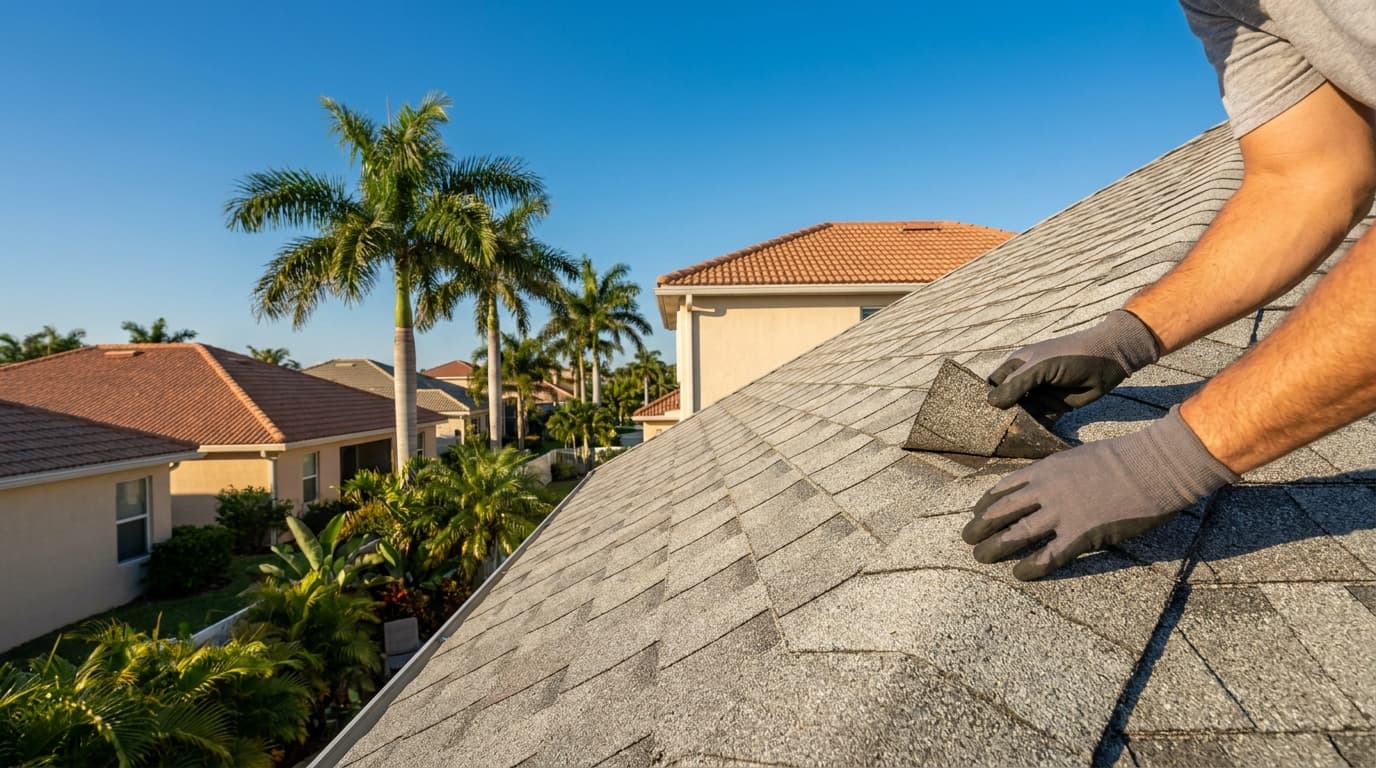

Permit compliance is one of the most profitable—and underserved—niches in roofing. Most homeowners in Alachua County don't understand why their roof needs a permit, what violations look like, or how to fix them. Most roofing contractors avoid compliance work entirely, treating it as a headache rather than a revenue stream.
That's your competitive edge.
If you're a roofing professional in Alachua County looking to differentiate yourself and win consistent, high-margin jobs, permit compliance work is where the money and reputation converge. Homeowners facing code violations, failed inspections, or pressure from county code enforcement are desperate for someone who knows exactly what to do—and they'll pay well for certainty and speed.
This guide walks you through the exact steps to build a permit compliance practice in Alachua County, from understanding local codes to positioning yourself as the go-to expert in your market.
Step 1: Master Alachua County Roofing Code Requirements
You can't win compliance jobs if you don't know the rules. Alachua County operates under Florida Statute 553 (the Florida Building Code) and enforces the Florida Building Code 7th Edition (as of 2023), with some local amendments. Understanding these is non-negotiable.
What You Need to Know About Florida Statute 553
Florida Statute 553 is the legal framework governing all building permits, inspections, and code compliance in the state. For roofing specifically, it establishes:
Alachua County Building and Development Services enforces these standards. Their permit threshold for roofing work is:
Compliance Warning: Never advise a homeowner that "small repairs don't need a permit." This creates liability for both of you. When in doubt, it requires a permit. Most violations come from unpermitted work that later surfaces during property sales, insurance claims, or inspections.
Alachua County-Specific Code Amendments
Alachua County has adopted the Florida Building Code with local amendments. Key roofing-related amendments include:
You can access the full Alachua County Amendments and the Florida Building Code at the Alachua County Building and Development Services website or through the Florida Building Code official channels.
Common Roofing Code Violations in Alachua County
Knowing the most common violations gives you a roadmap for the jobs you'll win:
| Violation Type | Why It Happens | Compliance Cost Range | Time to Fix |
|---|---|---|---|
| Missing/inadequate underlayment | DIY roof repairs, cost-cutting | $2,000–$4,500 | 3–5 days |
| Improper fastening (insufficient nails/staples) | Old roof standards, improper replacement | $2,500–$6,000 | 4–6 days |
| Unpermitted roof replacement | Homeowner didn't know permits were required | $1,500–$3,000 (retroactive) | 2–3 days (admin + reinspection) |
| Inadequate flashing around penetrations | Water intrusion claims, failed inspection | $800–$2,500 | 1–2 days |
| Non-compliant materials (low wind rating) | Wrong product selection | $3,000–$8,000 (full replacement) | 5–7 days |
| Missing edge metal/drip edge | Improper installation | $600–$1,500 | 1 day |
| Sagging or improper slope | Structural issues, age | $4,000–$12,000+ | 5–10 days |
Watch Related Videos on YouTube
roofing permit compliance jobs Alachua County how to fix guide
Step 2: Build Relationships with Alachua County Building and Development Services
The people who work at the county building department are your best source of referrals and intelligence. They interact with homeowners every day who are frustrated by code violations and have no idea how to fix them.
Schedule a Meeting with the Roofing Inspector
Alachua County has dedicated roofing inspectors on staff. Request a 15-minute meeting with the primary roofing inspector or the permits coordinator. Come prepared with:
The goal isn't to lobby—it's to be known. When a homeowner calls the county confused about a roofing violation, inspectors often recommend contractors they know and trust. Being that contractor is gold.
Understand the Inspection Checklist
Alachua County uses a standardized roofing inspection checklist. Ask for a copy or view it online. It covers:
When you're bidding compliance jobs, use this exact checklist. Walk the homeowner through it during your estimate. This builds confidence and shows expertise.
Pro Tip: Print the inspection checklist and mark up photos during your site visit. Show the homeowner exactly what needs fixing and why. This transparency wins trust and justifies your pricing.
Stay Current on Code Changes
The Florida Building Code updates every three years. Alachua County amendments change periodically as well. Subscribe to:
When code changes happen, you'll be one of the first contractors in the county who understands the new requirements. That's a marketing advantage.
Step 3: Develop a "Compliance Audit" Service Offering
Most homeowners don't know if their roof is compliant. Create a formal, low-cost compliance audit service that positions you as the trusted expert.
Structure Your Compliance Audit
Offer a 60–90 minute on-site assessment for $150–$300 (you'll upsell to the actual repair, so this is mostly a lead generator). Include:
The report should include specific Florida Statute 553 citations and Alachua County amendment references. This turns your audit into an educational piece that builds credibility.
Turn Audits Into Repairs
At the end of the audit, provide a detailed estimate for bringing the roof into compliance. Break it down by violation type:
Include the permit fee (which you'll handle) and a reinspection timeline. Most homeowners will authorize the full repair right there.
Step 4: Specialize in "Unpermitted Roof" Remediation
One of the highest-margin compliance niches is fixing unpermitted roofs. This is a common scenario: a homeowner had their roof replaced 5–10 years ago without a permit. Now they're selling their house, and the lender's inspector caught it, or the title company flagged it.
They're panicked. They need a solution fast.
The Unpermitted Roof Playbook
Step 1: Assess if the roof is fixableIf the roof is generally sound but just unpermitted:
Step 2: File a retroactive permit with Alachua CountyAlachua County allows retroactive permits under Florida Building Code procedures. You'll need:
The fee is typically lower than a new construction permit because the work is already done.
Step 3: Schedule inspectionOnce the permit is issued, the county roofing inspector will visit to verify the roof meets code. If there are issues, they'll note them and you'll have time to correct them.
Step 4: Pass reinspection and issue certificate of completionOnce reinspected and passed, the county issues a Certificate of Completion. This clears the title issue and allows the home sale to proceed.
Important: Homeowners often ask, "Can't we just ignore this?" Be clear: Unpermitted roofs create title issues, void insurance coverage in some cases, and create liability. The retroactive permit process is fast, affordable, and protects everyone. Position it as a solution, not a problem.
Pricing Unpermitted Roof Remediation
Your work here is primarily administrative + inspection. Your costs are:
Charge $1,500–$3,500 for the full retroactive permit and inspection process. This is high-margin work because most of the cost is the permit fee (which you pass through), and your labor is efficient.
Step 5: Build Your Marketing Around Compliance
Create County-Specific Content
Start creating blog posts, social media content, and local guides focused on Alachua County roofing compliance. Topics:
Each piece should reference specific county code amendments and include practical examples. Homeowners searching for "roofing inspection failed Alachua County" or "unpermitted roof remediation" will find you.
Leverage Google Local Services Ads (LSA)
Google Local Services Ads are powerful for compliance work. Homeowners with urgent code violations are actively searching. Appear in LSA with:
Alachua County has strong search volume for these terms, and the intent is very high (homeowners are ready to buy).
Build a Verified Contractor Profile
Create a verified contractor profile on HomeProBadge and feature your compliance expertise. HomeProBadge's identity-verified badge and contractor directory (searchable by county and trade) help homeowners trust you. Include:
Homeowners facing code violations are searching for contractors they can trust. A verified profile with proof of credentials and real project history converts significantly higher than unverified competitors.
Step 6: Manage the Compliance Project Timeline
Homeowners in compliance situations are often under time pressure. A home sale contingent on code fixes, an insurance renewal, or a code enforcement notice creates urgency. You need systems to move fast.
Create a Project Checklist Template
Use a consistent project template that covers:
This timeline is aggressive but achievable for straightforward compliance work. Communicate the timeline clearly in writing when you submit your estimate.
Build Relationships with Alachua County Inspectors for Faster Turnarounds
Once you're known to the county inspection team, you can often schedule reinspections within 2–3 business days rather than 10–14. This speed becomes a selling point.
Deliver exceptional work that passes on first inspection. If your roofs consistently pass with no corrections, inspectors will prioritize scheduling your inspections. This reputation compounds over time.
Step 7: Document and Showcase Your Compliance Work
Compliance projects are incredibly visible in your market. When you fix an unpermitted roof or resolve a code violation, that homeowner is grateful and vocal. Use these wins.
Create Before/After Case Studies
With every compliance project, document:
Publish these case studies on your website, in local directories, and on your HomeProBadge profile. They become social proof for future homeowners facing similar problems.
Photograph Everything
Take 20–30 high-quality photos of each project:
Use these photos in estimates for future homeowners. Seeing a visual example of a violation and its fix is far more persuasive than a verbal explanation.
Step 8: Price Compliance Work Competitively but Profitably
Compliance jobs often command premium pricing because of their urgency and the homeowner's relief at finding someone who understands the process. But pricing strategy matters.
Pricing Model: The Compliance Premium
For compliance-focused work, charge 15–25% more than standard roofing work for equivalent labor:
The premium accounts for:
Document the Value of Your Compliance Expertise
In your estimate, itemize the compliance components:
```
Underlayment Upgrade (County Code Compliance): $1,200
Fastening Correction (Florida Statute 553): $1,800
Flashing Installation (Alachua Amendment Section 2.4): $1,500
Permit and Inspection Coordination: $500
Project Management and Timeline Guarantee: $300
—
Total Compliance Project: $5,300
```
This breakdown educates the homeowner and justifies your pricing. They're not just paying for materials and labor; they're paying for expertise and certainty.
Step 9: Build Systems for Efficient Compliance Work
Asyour compliance practice grows, you need systems to handle the volume without adding massive overhead.
Create Estimate and Proposal Templates
Build pre-formatted proposals that include:
Templates save time and ensure consistency. Every homeowner gets the same professional presentation.
Develop Permit Filing Procedures
Create a checklist for your office/admin person (or yourself if you're flying solo) for permit filing:
The more systematized this is, the fewer mistakes you'll make, and the faster homeowners get their permits.
Use Technology: Mobile Documentation
Use apps like:
These tools compress the time between inspection and estimate submission, which accelerates your close rate.
Step 10: Develop Long-Term Authority in Alachua County
Once you've built some compliance experience, position yourself as the county expert.
Speak at Local Events
Offer to speak at:
Your 20-minute talk: "Why Your Roof Needs a Permit and What Happens If It Doesn't." You'll generate leads and referrals.
Build Relationships with Real Estate Agents and Title Companies
These professionals encounter permit and code issues constantly during home sales. When they refer you a homeowner with a roofing code violation, you've got a warm lead with high urgency.
Build a simple one-page guide: "Your Roof Has a Code Violation: Here's Your Solution." Share it with local real estate offices. When an agent needs a roofing contractor for a compliance issue, you're the obvious choice.
Get Certified or Verified
Consider:
Every credential you earn becomes marketing material. Verify these credentials visibly on your website, in proposals, and in directory listings.
FAQ: Roofing Permit Compliance in Alachua County
Q: How long does it take to get a roofing permit in Alachua County?A: Standard permits typically issue within 3–7 business days after submission, assuming complete documentation. Retroactive permits may take 5–10 days. Once issued, you usually have 6 months to complete the work and schedule inspection.
Q: Do I need a special license to file roofing permits in Alachua County?A: No, but you must be a licensed roofing contractor in Florida to legally perform the work. Your contractor license number goes on the permit application. The county verifies your license status before issuing the permit.
Q: Can a homeowner do their own roofing and then hire me to file the permit retroactively?A: Legally, no. Roofing work in Florida requires a licensed contractor to perform the work. A homeowner can file an "owner-builder" permit if it's their primary residence and they do the work themselves, but this is rare and has specific requirements. In most cases, if unlicensed work was done, it cannot be retroactively permitted. Frame this conversation carefully: if the work was already done without a license, advise the homeowner to speak with a lawyer about their options. Your role is to document the existing condition and bring it into compliance if possible, or recommend full replacement if necessary.
Q: What's the difference between a repair permit and a replacement permit in Alachua County?A: Repair permits are for work that doesn't remove the entire roof structure (e.g., patching, underlayment upgrade, flashing repair). Replacement permits are for full roof tear-off and reinstall. Replacement permits require more detailed documentation and have stricter inspection protocols. Repair permits are faster and less expensive.
Q: If a roof passes a county inspection, am I liable if problems appear later?A: County inspections verify code compliance at that moment—they don't guarantee the roof won't leak or fail. You carry liability through your workmanship warranty. Typically, offer a 5–10 year warranty on compliance work (materials + labor). Make this clear in your contract. Your liability insurance covers defects in your work; it doesn't cover future weather events or unforeseen issues.
Q: How do I handle a homeowner who wants the cheapest possible repair, even if it doesn't fully comply?A: Don't do it. Explain that:
Offer a phased approach if budget is tight: "We can do Phase 1 (critical violations) now, and Phase 2 (secondary items) in 6 months." But never submit a permit for work you know won't pass inspection.
Q: Can I subcontract the actual roofing work to another contractor?A: Yes, but you remain responsible for code compliance and the final inspection. If you subcontract, ensure the subcontractor is also licensed and competent. Your name and license are on the permit, so the county will hold you accountable. Only subcontract to contractors you trust and have worked with before.
Q: What happens if a roof fails county inspection?A: The inspector will issue a correction notice detailing the specific violations. You have 10–14 days to correct them and request a reinspection. Once corrected, reinspect (usually within 3–5 business days). If it passes, you're done. If it fails again, you may need to consult with the county about next steps. Most failures are corrected on the first try if you know the code.
Q: How do I stay current on Alachua County code changes?A: Monitor:
Code updates typically happen every 3 years with the Florida Building Code cycle. Alachua County amendments can change more frequently.
Your Next Step: Become the Alachua County Roofing Compliance Expert
Compliance work is a genuinely profitable niche. Homeowners are desperate for contractors who understand code, communicate clearly, and deliver results. By specializing in permit compliance, you're not competing on price—you're competing on expertise and peace of mind.
Your first move: Build a verified contractor profile on HomeProBadge and feature your compliance expertise prominently. When homeowners in Alachua County search for roofing contractors, they'll see you're identity-verified and background-checked. In a market built on trust, that credential alone converts prospects into clients.
Create your free verified contractor profile at https://www.homeprobadge.com/florida/alachua-county. Include your licenses, certifications, and compliance project portfolio. With a verified badge, you'll stand out against unverified competitors—especially for high-stakes compliance work where homeowners need to know they're hiring someone trustworthy.Start documenting your compliance projects today. Six months from now, you'll have case studies, testimonials, and a portfolio that positions you as the expert. One year from now, compliance work will be a significant (and high-margin) portion of your business.
The homeowners are out there. They're confused, under pressure, and ready to hire someone who knows the answer. Be that contractor.