

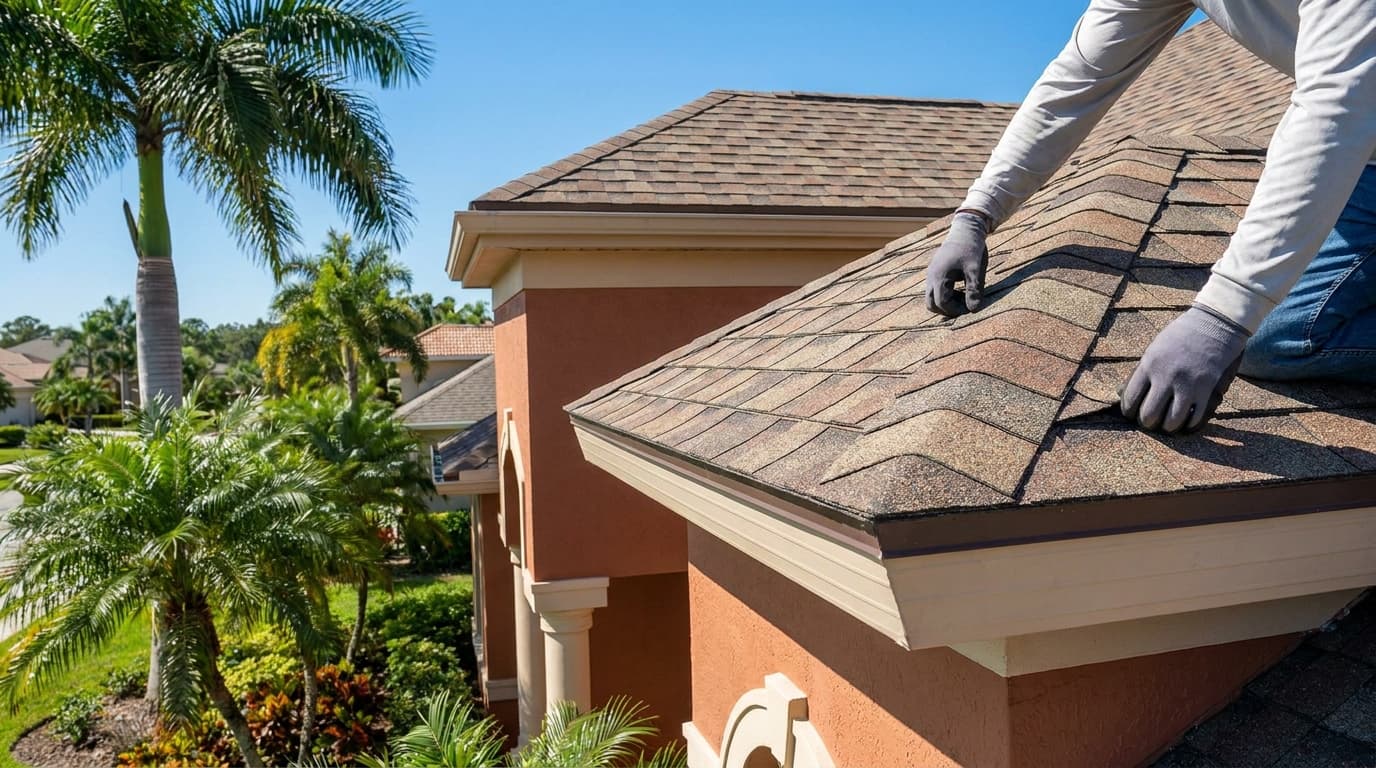

Permit compliance work is one of the most lucrative and predictable revenue streams available to roofing contractors—yet most roofers in Citrus County never pursue it. Homeowners with unpermitted or non-compliant roofs face serious consequences: code enforcement fines, property sale delays, insurance claim denials, and forced remediation costs. This creates a massive opportunity for contractors who position themselves as problem-solvers and code experts.
The roofing permit compliance market in Citrus County is growing. Property transfers, insurance audits, and aggressive county code enforcement have created a surge in homeowners desperately seeking contractors who understand Florida's building code requirements and can navigate the permit process without headaches. Most roofers treat compliance work as an afterthought—or avoid it entirely due to perceived complexity. That's your competitive advantage.
This guide walks you through exactly how to identify, win, and execute roofing permit compliance jobs in Citrus County. You'll learn the specific code requirements that trigger compliance work, how to position yourself as a trusted authority, and how to build a repeatable system for landing these high-value projects.
Why Permit Compliance Work Is a Game-Changer for Citrus County Roofers
Permit compliance jobs operate differently than standard roofing projects. Instead of competing on price with five other contractors, you're competing on expertise. Homeowners facing a permit violation aren't shopping for the cheapest quote—they're searching for someone who can solve their problem and make it legal.
Here's what makes compliance work attractive:
Higher profit margins. Standard roof replacement jobs run 12–18% net margins in Citrus County. Compliance work—where you're correcting code violations, managing inspections, and navigating permitting—commands 28–35% margins because you're selling expertise, not commodity labor. Recurring referral source. A homeowner who pays you to solve a code violation becomes your most loyal advocate. They'll refer family, neighbors, and friends. Compliance work creates word-of-mouth flywheel that lasts years. Insulated from price competition. Homeowners don't ask for three quotes when they're fighting code enforcement. They ask for the contractor who can make the problem disappear. Predictable cash flow. Permit violations aren't seasonal. You can land compliance work year-round, especially during property transfer season (spring/early summer in Florida) when new homeowners discover unpermitted work done by the previous owner.Step 1: Master Citrus County's Roofing Code Requirements
You cannot win compliance jobs without becoming fluent in the codes that create violations. Citrus County enforces the Florida Building Code (FBC), which incorporates the International Building Code (IBC) with Florida-specific amendments. Per Florida Statute 553, all building work must comply with the applicable edition of the FBC adopted by the county.
Citrus County currently enforces the 2023 Florida Building Code. This is your baseline reference.
The Top 5 Roofing Code Violations in Citrus County
These are the violations code enforcement officers find most frequently:
1. Missing or Inadequate FlashingFlashing around penetrations (vent pipes, chimneys, skylights) is the #1 source of code citations. Citrus County requires all roof penetrations to have manufacturer-compliant flashing with properly sealed transitions to the roof membrane. Many older homes have improper metal flashing, tar-sealed joints, or no flashing at all.
FBC Requirement: Section 905 (Roof Assemblies and Rooftop Structures) mandates that all roof penetrations be flashed and sealed per the roof assembly specifications. 2. Improper Roof Pitch or Membrane MaterialFlat or low-slope roofs in Citrus County must use specific membrane systems (TPO, EPDM, modified bitumen). Many DIY repairs or previous unpermitted work used asphalt shingles on pitches below 3:12, which violates FBC Section 905.10. Metal roofs in high wind zones require specific fastening patterns—a common violation in coastal Citrus County areas.
3. Non-Compliant Roof-to-Wall TransitionsWhere the roof meets exterior walls, there must be proper continuity of the weather barrier. Code enforcement frequently cites homes where old roofing was replaced but wall flashing wasn't updated. This is a common violation when homeowners hire unlicensed roofers.
4. Missing or Inadequate Attic VentilationFBC Section 1202.2 requires attic ventilation at a ratio of 1 square foot of unobstructed vent area per 150 square feet of attic space. Some roofing replacements block vents with new materials, creating code violations and moisture problems.
5. Improper Wind Resistance InstallationIn Citrus County's high-wind zones, roof attachments must meet specific uplift ratings. Fastening patterns, fastener type, and spacing are critical. Unpermitted reroof work often uses improper fastening that doesn't meet current wind codes—a serious safety and insurance issue.
WARNING: Never advise a homeowner to ignore a code violation notice. Code enforcement in Citrus County escalates fines monthly. A $500 initial citation becomes $10,000+ after 6 months of non-compliance. Position yourself as the solution, not a collaborator in delay.
Create Your Citrus County Code Reference Playbook
Build a simple one-page reference guide for each common violation type. Include:
Print these and bring them to initial consultations. This single document positions you as the expert in the room and gives homeowners confidence that you know exactly what needs to happen.
Watch Related Videos on YouTube
roofing permit compliance jobs Citrus County how to fix guide
Step 2: Build Your Citrus County Market Intelligence System
You need to know where the compliance opportunities are before homeowners call a general contractor or pest inspector who might refer them elsewhere.
Tap Into Code Enforcement Records
Citrus County Code Enforcement Office is a goldmine of leads. Here's how to work it:
Access the Public Database. Citrus County maintains a searchable code enforcement case database. You can look up violations by address, violation type, and status. This is public information. Monitor New Violations. Create a weekly routine (30 minutes max) to check for new roofing-related violations:| Timeline | Action | Your Opportunity |
|---|---|---|
| Day 1–7 | Notice issued to property owner | Owner is evaluating options |
| Week 2–3 | Owner requests extensions or ignores notice | Owner realizing they need help |
| Week 4–6 | Follow-up notice + photo documentation | CRITICAL OUTREACH WINDOW |
| Week 8–12 | Fines escalate, lien possibility mentioned | Owner desperate, will pay premium |
| 90+ days | Legal action, property holds, liens filed | Referred to attorney, deal harder to close |
Your sweet spot for outreach is weeks 2–4. The homeowner is worried but hasn't yet engaged an attorney.
Build Relationships With Key Referral Sources
Insurance Adjusters. When a homeowner files a claim (storm damage, etc.), the adjuster often uncovers unpermitted or non-compliant roofing. Insurance agents and adjusters in Citrus County should know your name. Send them a brief email quarterly with your compliance specialization and contact info. Real Estate Agents. Property inspections during a sale often flag roofing issues. Real estate agents need someone reliable to fix problems before closing. Sponsor a local real estate office coffee or attend chamber events. Build a network of 5–10 agents who refer you work. Property Managers and HOA Representatives. Managed properties and HOAs have code compliance responsibilities. Offer HOA boards a free 20-minute consultation on roofing compliance. Many will contract you for regular inspections and remediation. Attorneys. Some Citrus County attorneys specialize in code enforcement and property disputes. When a homeowner hires counsel, the attorney needs a trustworthy contractor to execute the fix. A simple introduction can lead to regular referrals.Step 3: Position Yourself as a Permit Compliance Specialist
You can't win compliance work if homeowners don't know that's what you do. Most roofers blend compliance work into their general service offering. Specialists win the best clients.
Create a Compliance-Focused Brand Message
Develop a simple positioning statement:
"I help Citrus County homeowners solve code violations and get back to clear property status without fines or legal complications."This is different from "I do quality roofing work." It speaks directly to the pain point: homeowners want the problem gone.
Use this messaging in:
Build Your Before/After Portfolio
Compliance work is highly visual. Homeowners need to see that you've solved similar problems. Create a portfolio of 8–12 compliance projects with:
PRO TIP: Always get written permission before using a homeowner's address and photos in marketing. Most homeowners are proud that you solved their problem and happy to be referenced. Include their testimonial on your site and in proposals.
Establish Credentials and Trust Markers
Homeowners hiring for compliance want to know you're legitimate and licensed. Build trust through:
License and Insurance Visibility. Display your active Florida Roofing Contractor license number prominently on your website and business cards. Link to the Department of Business and Professional Regulation (DBPR) verification page so prospects can confirm your standing. Certifications. If you've completed manufacturer trainings (GAF Master Elite, Owens Corning Platinum, etc.) or earned additional certifications, list them. Citrus County homeowners appreciate formal credentials. Online Verification. Create a verified HomeProBadge contractor profile. HomeProBadge's identity-verified, background-checked badge ($5 one-time, annually re-verified) signals to homeowners that you've passed verification checks. Display it on your website and in proposals. Homeowners increasingly search for verified contractors when making decisions about compliance work. Google Reviews. Reviews are your social proof. Encourage every compliance project customer to leave a Google review mentioning the specific violation you fixed. Aim for 20+ five-star reviews focused on compliance and code expertise.Step 4: Create a Compliance Consultation and Proposal System
When a homeowner contacts you about a code violation, your consultation and proposal process will determine whether they hire you or call three other contractors.
The Compliance Consultation Checklist
Before You Arrive:- How long the fix takes
- When you'll schedule the permit application
- When the inspector will arrive
- When the violation will be resolved
The Compliance Proposal Template
Your proposal should include:
Section 1: The Problem (What's Wrong)COST STRATEGY: Compliance work commands premium pricing. A standard flashing repair might be $400 material + $200 labor on a standard job. On a compliance job where you're managing the permit process and handling the inspection, charge $600 material + $500 labor. You're selling expertise and process management, not just labor.
Step 5: Master the Citrus County Permit Process
The permit process itself is a value-add that differentiates you from competitors. Most homeowners have never filed a permit and find it intimidating. You handling this makes you indispensable.
Citrus County Permit Submission Basics
Where to Submit: Citrus County Building Department (typically located in Inverness, FL) How to Submit: Most jurisdictions now accept digital submissions through a permitting portal or email. Contact the building department directly to confirm their current process. What You'll Submit:Create a Homeowner Permit Education Sheet
Most homeowners don't understand why permits matter. Create a one-page handout explaining:
This positions you as the educator and removes anxiety. Homeowners will trust your process because they understand it.
Step 6: Network and Market Strategically in Citrus County
Compliance work depends on awareness. You need to be the first name homeowners (and referral sources) think of when code violations arise.
Local Chamber and Association Presence
Join:
Attend quarterly meetings. Sponsor a small booth or event. Real estate agents and property managers network at these events—they refer work.
Targeted Google Local Ads
Run a small Google Local Services Ads campaign ($10–20/day) targeting:
You'll only pay when a customer contacts you. Start with $300/month and track which keywords drive actual consultations.
Educational Content Marketing
Create blog posts or videos addressing common questions:
These posts rank for compliance-related searches and position you as the expert. Link to your HomeProBadge verified contractor profile in the footer.
Email and Direct Mail Follow-Up
For homeowners you've consulted but didn't hire immediately, or for leads from code enforcement data, send a monthly "Citrus County Compliance Tip" email:
Many homeowners need time to decide. Staying top-of-mind ensures they contact you when they're ready.
Step 7: Execute Flawlessly and Build Referrals
The best marketing for compliance work is a homeowner who's thrilled you solved their problem. Execution excellence directly creates referrals.
Project Execution Checklist
Before Work Starts:- A copy of your work specification
- Material spec sheets for anything installed
- Before/after photos showing the fix
After Inspection:Turn Every Project Into a Referral Engine
After completing a compliance project:
An executed compliance project creates a loyal customer who will refer 2–3 projects per year if you stay in touch.
FAQ: Citrus County Roofing Permit Compliance Jobs
Q: Do I need a special license to do roofing compliance work in Florida?A: No. Your standard Florida Roofing Contractor license (or General Contractor license) covers all roofing work, including compliance repairs. However, you do need active licensing and insurance. Many compliance jobs are specifically requested by homeowners who want a licensed professional.
Q: How much can I charge for compliance work vs. standard roofing?A: Standard roofing in Citrus County nets 12–18% margins. Compliance work commands 28–35% margins because you're managing the permit process, navigating code requirements, and coordinating inspections. Don't undercharge—homeowners expect to pay for expertise.
Q: What if the code enforcement violation is older and I don't know if it's still active?A: Check the Citrus County Code Enforcement database or call the Code Enforcement Office directly. They can confirm if a violation is still open, closed, or dismissed. Never propose work to fix a violation that's already been resolved (you'd be solving a non-problem).
Q: Can I generate leads from code enforcement violations before homeowners know about them?A: Technically, code enforcement violations are public record. However, proactively contacting homeowners about violations they haven't received notice of is a gray area ethically and legally. Focus on homeowners who've already been cited or are referred to you by professionals (agents, adjusters, attorneys).
Q: How do I handle a compliance project where the homeowner wants me to "work around" the code?A: Don't. Refuse the job politely. You have no legal protection if you knowingly install non-compliant work, and you're liable if someone is injured or the homeowner faces further enforcement. Your reputation as a code-compliant specialist is your most valuable asset—protect it.
Q: What if the homeowner disputes the violation or wants to appeal?A: If they dispute whether a violation actually exists, they should appeal to Citrus County Code Enforcement. Your role is to fix the violation, not to argue whether it's valid. Stay neutral and professional. However, do educate them: many violations are legitimate and appealing wastes time.
Q: How do I compete against general contractors or other roofers for compliance work?A: By specializing. General contractors aren't experts in code requirements. Roofers who treat compliance as an afterthought don't invest in the process and customer education you do. Your advantage is expertise, communication, and a repeatable system. Market that.
Q: Should I offer to handle the entire code enforcement resolution process, or just the roofing repair?A: Start by handling the roofing repair and permit management (your core competency). As you grow, you can expand to coordinate with code enforcement and manage other trades if violations involve multiple issues (electrical, structural, etc.). Stay in your lane initially.
Your Next Move: Build Your Compliance Specialization
Roofing permit compliance jobs in Citrus County are a genuine business growth opportunity—but only if you actively pursue them. Most roofers won't, which means less competition for you.
Start this week by:
Compliance work isn't trendy or flashy. But it's profitable, repeatable, and deeply needed by homeowners in Citrus County. The contractors who specialize in it will build the most resilient, referral-driven roofing businesses in the region.
Start now.