

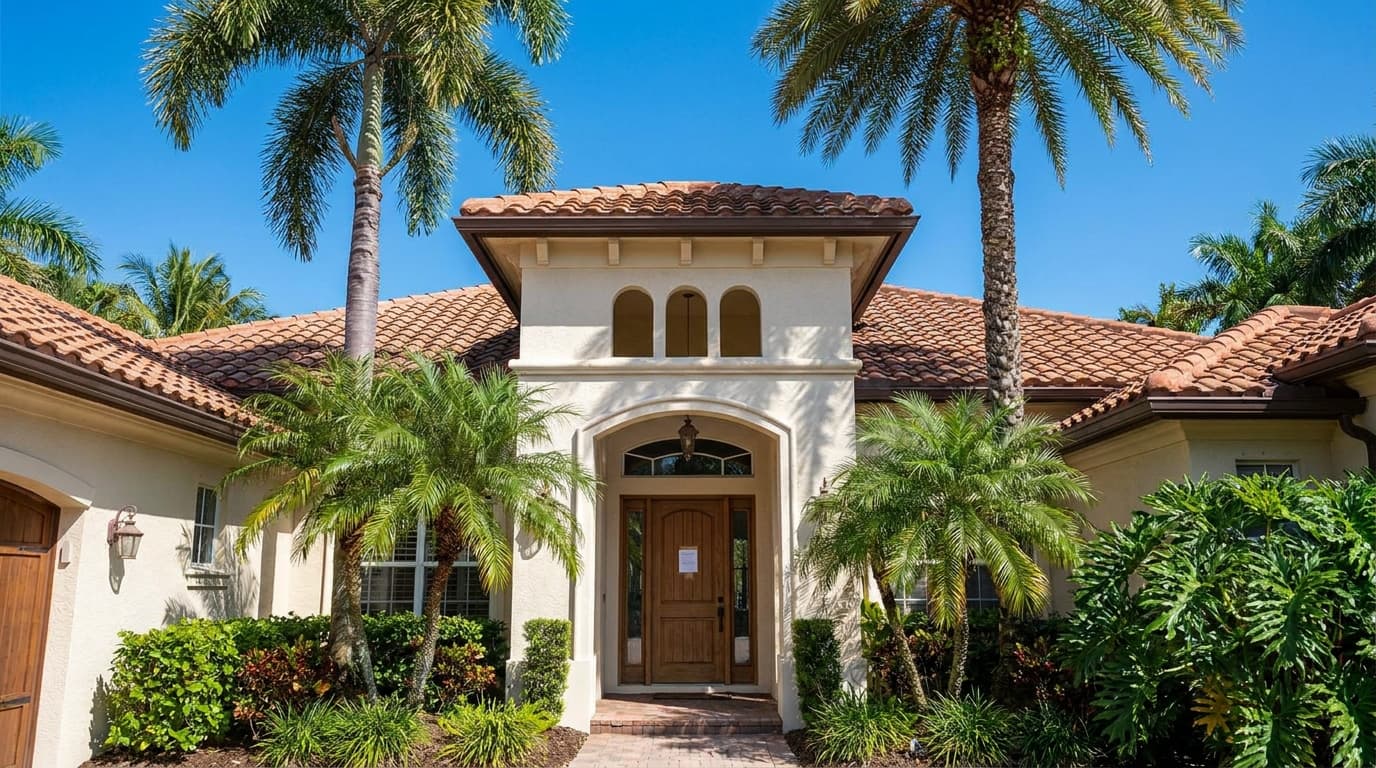

You opened your mailbox to find an official notice from Gilchrist County Code Enforcement. Your stomach drops. Somewhere on your property—maybe a garage addition, a new roof, or a backyard shed—work was done without the proper permits. Now you're facing potential fines, a halt to any further improvements, or even a lien on your home if you don't act quickly.
The good news? Unpermitted work violations in Gilchrist County are fixable. Thousands of Florida homeowners have resolved these issues successfully, and you can too. The key is understanding the process, responding promptly, and knowing exactly what Gilchrist County's building department expects from you.
This guide walks you through every step—from understanding the violation notice to getting your property back into compliance. Whether you hired a contractor who cut corners, or you undertook a DIY project without realizing permits were required, you'll find clear, actionable answers here.
Understanding the Unpermitted Work Violation Notice
When Gilchrist County Code Enforcement issues a violation notice, it's not a personal attack—it's a formal notification that work on your property doesn't match county building code records. Understanding what the notice says, and why it matters, is your first step to resolution.
What the Notice Actually Means
An unpermitted work violation in Gilchrist County means that:
Gilchrist County, like all Florida counties, is bound by state building code requirements. This isn't arbitrary—permits exist to ensure structural safety, electrical safety, plumbing integrity, and insurance compliance. The county isn't trying to hassle you; they're trying to protect public safety and property values.
Common Types of Unpermitted Work in Gilchrist County
Some violations are straightforward; others are more nuanced. Here are the most common unpermitted work scenarios we see:
| Type of Work | Permit Required? | Common Reason It's Missed | Typical Timeline to Cure |
|---|---|---|---|
| Roof replacement | Yes (most cases) | Homeowner thought insurance claim process was enough | 30–60 days |
| Room addition/garage | Yes | Contractor quoted cheaper price without permit | 60–90 days |
| Deck or patio | Yes (if over certain size) | Perceived as "minor" work | 30–45 days |
| HVAC replacement | Yes | Contractor said "not worth the paperwork" | 15–30 days |
| Electrical work | Yes | DIY project, homeowner unaware of requirement | 30–60 days |
| Plumbing work | Yes | Assumed minor repair didn't need permit | 15–30 days |
| Pool installation | Yes | Significant permit—often overlooked | 90–120 days |
| Shed/outbuilding | Sometimes | Under 200 sq ft may have exemptions—varies | 30–45 days |
⚠️ Critical Point: Even if the previous property owner did unpermitted work, you are responsible as the current owner. Code enforcement doesn't distinguish between old and new violations when they're discovered.
What the Violation Notice Contains
Your Gilchrist County Code Enforcement notice should include:
Read this notice carefully. If anything is unclear or inaccurate, note it now—you'll address it in step 2.
Watch Related Videos on YouTube
unpermitted work violation Gilchrist County Florida how to fix guide
Step 1: Determine If the Work Actually Requires a Permit
Before you panic and assume you're in violation, verify that the flagged work actually needed a permit in the first place. Some minor work is exempt from permitting in Florida.
Florida Statute 553 and Gilchrist County Exemptions
Florida Statute 553 (Florida Building Code) and Gilchrist County's local amendments outline specific work that does not require a permit. These exemptions are narrow and specific:
Typically Exempt Work:✓ Action Item: Review the Gilchrist County Building Department's permit exemption list (updated periodically). Call the county at the building permit office and ask: "Does [specific work] require a permit under current Gilchrist County code?" Get a name and reference number for your records.
If the work legitimately doesn't require a permit, your response to Code Enforcement becomes simpler: you request a meeting with the inspector to clarify the exemption and request violation closure.
If the work does require a permit, proceed to Step 2.
Step 2: Respond to the Violation Notice Immediately
Do not ignore the notice. Do not wait past the deadline. Non-response escalates the violation and can result in automatic liens or legal proceedings.
Contact the Assigned Inspector
Your violation notice lists an inspector's name and contact information. Call them within 3 business days of receiving the notice. Be professional and factual. Here's what to say:
"Hello, this is [your name], the owner of [property address]. I received a Code Enforcement notice regarding unpermitted work at my property. I'd like to schedule a meeting to discuss the violation and understand what steps I need to take to bring the property into compliance."
Why call?Request an Inspection or Site Meeting
Ask if the inspector will meet you on-site to:
Gilchrist County inspectors are generally reasonable. They'd rather work with you to resolve violations than issue fines.
Submit a Written Response (Even If You Called)
Follow up your phone call with a written response via certified mail or hand-delivery to the Gilchrist County Building Department. Include:
✓ Pro Tip: Use certified mail with return receipt requested. This creates an indisputable record that the county received your response on a specific date.
Step 3: Gather All Documentation About the Work
Collecting evidence and records now makes the path to compliance much clearer.
What Documentation to Compile
If the contractor is still accessible, request they provide documentation of what they did. If they're unavailable or unresponsive, document that too—the county understands contractors sometimes disappear.
Hire a Licensed Professional to Assess the Work
Here's a critical question: Does the unpermitted work meet current code standards?
There are two possible paths:
Path A: The work IS code-compliant → You retroactively permit and inspect it. Path B: The work is NOT code-compliant → You either bring it into compliance or remove it.To determine which path you're on, hire a licensed inspector or engineer to evaluate the work. This costs $300–$800 but is well worth it, because:
In Gilchrist County, look for:
Once you have this assessment, you'll know exactly what you're dealing with.
Step 4: Work with the Gilchrist County Building Department on a Solution
Now you move into active problem-solving with the county. There are several possible resolutions, depending on the situation.
Option A: Retroactive Permitting (Most Common Path)
If the work is code-compliant or can be brought into compliance, the county will allow you to obtain a retroactive permit (also called "after-the-fact" or "legalization" permit).
How retroactive permitting works:- Completed building permit application (county-specific form)
- Architectural plans (even if not detailed; county may accept photos + description)
- Plot plan showing the work location
- Professional assessment report (from your inspector/engineer)
- Proof of property ownership
✓ Timeline Expectation: Retroactive permitting typically takes 30–90 days from application to completion, depending on work complexity and county workload.
This is the path most homeowners take, and it usually resolves the violation completely.
Option B: Partial Compliance + Correction Order
If the work has minor code issues but is mostly sound, the county may issue a Correction Order allowing you 30–60 days to fix specific deficiencies. Examples:
Once corrected, you schedule a final inspection and receive compliance.
Option C: Work Removal (Least Common Path)
If the work is seriously non-compliant, unsafe, or structurally problematic, the county may order its removal. This is rare but can happen with:
If removal is ordered, the county gives a timeline (usually 30–90 days). If you don't remove it, the county can impose fines ($500–$1,000+ per day) or place a lien on your property.
If you face removal:Navigating the Gilchrist County Building Department
Successful resolution depends on clear communication. Here's the typical sequence:
Step 5: Manage Contractor Liability and Insurance
If an unlicensed or negligent contractor caused the violation, you need to understand your legal and financial exposure.
Was the Contractor Licensed?
Ask the Gilchrist County Building Department or Florida Department of Business and Professional Regulation (DBPR) to verify the contractor's license status at the time of work. This matters because:
When to Involve a Lawyer
Consider consulting a construction attorney if:
A brief consultation ($150–$300) can clarify your legal position and recovery options.
Homeowner's Insurance Considerations
Important: Most homeowner's insurance policies do not cover damage caused by unpermitted work or unlicensed contractors. Additionally:Resolving the violation before filing insurance claims or selling protects you significantly.
Step 6: Prepare for Inspections
Once a retroactive permit is issued, the county will schedule inspections. Being ready makes the process smooth.
Before the Inspector Arrives
During the Inspection
If Corrections Are Needed
Step 7: Prevent Future Violations
Once your violation is resolved, take steps to ensure it doesn't happen again.
Always Obtain Permits Before Work
Verify Contractor Credentials
Before hiring for future work:
A tool like HomeProBadge can help you identify vetted contractors in Gilchrist County who have passed background checks and can show verified project portfolios. This reduces the likelihood of future compliance issues.
Document All Work Going Forward
Common Questions About Gilchrist County Unpermitted Work Violations
FAQ
Q: Can I ignore the violation notice and hope it goes away?A: No. Ignoring a violation notice results in escalation:
Proactive response is always better.
Q: Who is responsible for the violation—me or the contractor?A: You are responsible as the property owner, even if a contractor did the work. That said, you may have legal recourse against the contractor if they were unlicensed or breached your contract. An attorney can advise on recovery options.
Q: How much will it cost to resolve the violation?A: Costs vary widely:
Get quotes early from licensed contractors.
Q: Can I appeal the violation?A: Yes, if you believe the violation was issued in error or the work is legitimately exempt. Submit a written appeal to the Gilchrist County Code Enforcement office within 14 days, including:
The county will review and respond. If still unsatisfied, Florida law allows further appeal to the county's Code Enforcement Board.
Q: What if I want to sell my home with a violation unresolved?A: Legally, you must disclose the violation to buyers. Practically:
A: Simple retroactive permits: 30–60 days. Complex projects with corrections needed: 90–180 days. Removal orders: 30–90 days to remove, plus legal proceedings if you contest. Start immediately to minimize timeline.
Q: What if the contractor is completely unavailable and didn't document anything?A: Document what you can (photos, invoices, dates of work). Hire an independent inspector or engineer to assess the work. The professional assessment can substitute for contractor documentation in the permit application. The county is used to this scenario.
Q: Can I do the corrections myself if I'm handy?A: Only for truly minor work (painting, trim, landscaping). Electrical, plumbing, HVAC, structural, and roofing must be done by licensed contractors. The county verifies licensure during inspection. This isn't negotiable in Florida.
Q: If I resolve the violation, does it stay on my property record?A: The violation will be filed, but once resolved with a Certificate of Compliance or equivalent, it shows as "closed" or "cured." Future buyers and lenders will see it was resolved, not that it's pending. This is much better than an unresolved violation.
Q: What's the difference between a violation and a lien?A: A violation is a formal notice that you're out of compliance. A lien is a legal claim against your property for unpaid fines. Liens appear on your title and prevent sale or refinance. If you ignore a violation long enough, it becomes a lien. Resolve violations immediately to prevent liens.
Taking the Next Step: Get a County-Specific Action Plan
You now understand the process, but every Gilchrist County violation is unique. You need a tailored plan based on:
Our action plans have helped hundreds of Florida homeowners navigate violations faster and with less stress. Rather than guessing the next step, you'll have a clear, county-tested process.
Get your Permit Violation Action Plan at HomeProBadge today. A few minutes of setup now saves weeks of frustration and potential thousands in fines.You've got this—and you don't have to do it alone.