

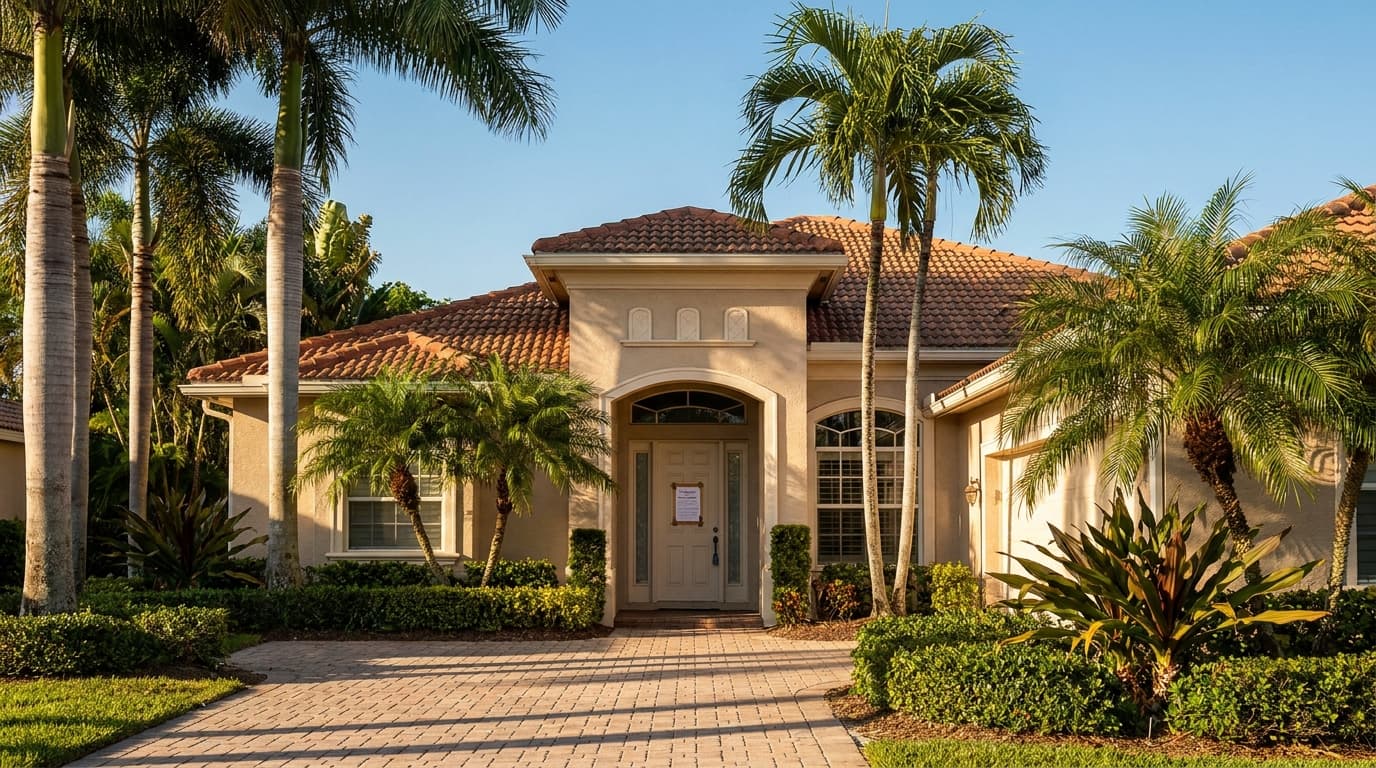

If you've received a code enforcement notice about unpermitted work on your Levy County property, you're not alone—and the good news is that this situation is fixable. Unpermitted work violations can feel overwhelming, especially if you didn't realize you needed a permit, hired a contractor who cut corners, or inherited a property with existing violations. But with the right strategy and clear steps, you can resolve the issue, avoid escalating fines, and get your property back into compliance with Levy County's building code standards.
This guide walks you through the entire process of resolving an unpermitted work violation in Levy County, from understanding what triggered the notice to negotiating with the building department and getting the work inspected and approved. We'll cover the specific rules that apply in Levy County, help you assess your options, and show you how to protect yourself if you need to hire a contractor to remedy the work.
Understanding Unpermitted Work in Levy County
Before you can fix a violation, you need to understand what constitutes unpermitted work under Levy County and Florida law. This isn't just about paperwork—it's about building safety, property liability, and long-term legal issues.
What Counts as Unpermitted Work?
Unpermitted work is any construction, renovation, electrical, plumbing, HVAC, or structural alteration performed without obtaining the required permit from Levy County Building and Development Services before work began. This includes:
Florida Statute 553.79 establishes the state's building code compliance requirements, and all work performed in Levy County must align with these standards. Even work that wasn't inspected during construction—or work performed by a homeowner—still requires proper permitting retroactively if discovered.
Key Warning: If you're selling your property or refinancing your mortgage, an unpermitted work violation will almost certainly surface during a title search or home inspection. Lenders and title companies will require resolution before closing.
Why the County Issues Violations
Levy County Building and Development Services discovers unpermitted work through several pathways:
Once flagged, a code enforcement officer inspects the property and issues a Notice of Violation if work doesn't meet code standards or lacks the required permit.
Watch Related Videos on YouTube
unpermitted work violation Levy County Florida how to fix guide
Step 1: Respond to the Notice of Violation Immediately
The first and most critical step is responding to the code enforcement notice within the deadline specified on the notice itself—typically 7 to 30 days, depending on the severity of the violation.
Read the Notice Carefully
Your Notice of Violation will contain:
Make a copy of the notice and keep it in a secure file. This document is your roadmap.
Don't Ignore It
Ignoring a code enforcement notice will result in:
Pro Tip: Contact the code enforcement officer listed on the notice within 3 business days. A simple call explaining that you received the notice and are working on a solution shows good faith and may slow down the penalty clock while you develop your remedy strategy.
Step 2: Assess Your Situation and Options
Not all unpermitted work violations require the same solution. Your path forward depends on the nature of the work, when it was done, and whether it can feasibly be brought into compliance.
Determine the Work's Current Condition
Answer these questions:
Understand Your Three Main Options
| Option | Timeline | Cost | Best For | Risk |
|---|---|---|---|---|
| Obtain Retroactive Permit | 30–90 days | $300–$2,000 | Work completed to code | Inspection failure if substandard |
| Hire Licensed Professional to Remedy | 45–120 days | $1,500–$10,000+ | Substandard work | Contractor quality/reliability |
| Remove Unpermitted Work | 14–45 days | $500–$5,000 | Major structural issues | Property downgrading |
Option A: Obtain a Retroactive Permit (Most Common)
If the work was performed professionally and appears to meet code standards, you can apply for a retroactive permit. This involves:
Option B: Hire a Licensed Contractor to Remedy the Work
If the work is substandard, incomplete, or doesn't meet current code, you'll need to hire a licensed professional to bring it into compliance. This might involve:
Critical Warning: Only hire contractors who are licensed with the Florida Department of Business and Professional Regulation (DBPR) and verified through HomeProBadge or similar verification systems. An unpermitted work violation can escalate into a liability nightmare if you hire an unqualified contractor.
Option C: Remove the Unpermitted Work
In rare cases—such as work that violates setback requirements, encroaches on a neighbor's property, or poses a serious safety hazard—the county may require you to remove it entirely.
Timeline: 14–45 days, depending on the complexity of removal. Cost: $500–$5,000+, depending on what's being removed. Best for: Structural violations, encroachments, illegal outbuildings, or work that cannot be brought into compliance.Step 3: Gather Documentation and Prepare Your Application
Once you've chosen your path forward, you'll need to compile documentation to submit to Levy County Building and Development Services. The more thorough your application, the faster the county can process it.
Required Documentation for Retroactive Permits
If You're Applying for Work Performed by a Previous Contractor
If a contractor installed the unpermitted work and is no longer available:
Levy County typically accepts this situation as long as you move forward responsibly.
Step 4: Submit Your Application to Levy County
Levy County Building and Development Services is located in Bronson, Florida. You have two options for submitting your application: in person or by mail.
Contact Information
Levy County Building and Development ServicesAddress: 355 South Court Street, Bronson, FL 34601
Phone: (352) 486-5035
Website: levy.leoncounty.org (or check the main Levy County website for current building department portal)
Submission Process
Pro Tip: Call the building department before submitting to ask if any additional documentation is needed. A 5-minute phone call can prevent a 10-day delay if you're missing something.
Plan Review Timeline
Levy County typically completes plan review within 14–21 days for simple applications (electrical, plumbing, HVAC) and 21–45 days for complex ones (structural, additions, significant modifications). If the county issues a Request for Information (RFI), you'll have 7–14 days to respond before review resumes.
Step 5: Schedule and Pass Inspections
Once your permit is approved or your retroactive permit is issued, the building department will schedule inspections to verify the work meets code.
Inspection Types
| Inspection Type | Timing | What They Check |
|---|---|---|
| Electrical | After all wiring is in place, before drywall | Wire gauge, breaker capacity, grounding, GFCI protection |
| Plumbing | Rough-in phase and final | Pipe sizing, venting, trap configuration, water pressure |
| Structural | Foundation, framing, roof decking | Load-bearing capacity, connections, hurricane ties |
| Final | All systems complete and operational | Overall compliance, safety, functionality |
How to Prepare for Inspections
If an Inspection Fails
Don't panic. A failed inspection is common and doesn't mean your violation can't be resolved. The inspector will provide a written list of deficiencies. You then have two options:
Schedule a re-inspection once corrections are complete. Most properties pass on the second attempt.
Step 6: Obtain Your Certificate of Compliance or Approval
Once all inspections pass, the building department will issue a Certificate of Compliance (or similar approval document). This is proof that your property is now code-compliant and the violation is resolved.
What to Do With Your Certificate
Step 7: Monitor for Future Compliance
Once your violation is resolved, stay vigilant to prevent future issues.
Best Practices Going Forward
Common Violations and Solutions in Levy County
To help you better understand your situation, here are the most common unpermitted work violations in Levy County and typical resolutions:
Unpermitted Roof Replacement
Why it happens: Many homeowners assume roof replacement is DIY-eligible or hire unlicensed roofers to save money. Resolution: Apply for a retroactive permit with proof of the roofer's license. If the roofer is unlicensed or unavailable, hire a licensed roofer to inspect and certify the work, or provide corrective work. Cost: $500–$1,500.Unpermitted Electrical Work
Why it happens: Homeowners rewire, upgrade panels, or add circuits without permits. Resolution: This is serious because electrical code violations pose fire and safety risks. Hire a licensed electrician to inspect and certify the work, or provide corrective work. If the work is substandard, it must be redone. Cost: $800–$2,500.Unpermitted Room Additions or Structural Work
Why it happens: Homeowners add rooms, garages, or decks without obtaining structural permits. Resolution: Hire an engineer or architect to design corrective work or certify existing work meets code. This is complex and costly but essential. Cost: $2,000–$10,000+.Unpermitted Pool or Spa
Why it happens: Homeowners install pools without realizing they require permits and inspections. Resolution: Apply for a retroactive permit and schedule required inspections (electrical, plumbing, safety). If the pool is unsafe or non-compliant, remedial work is required. Cost: $800–$3,000.Unpermitted Septic or Well Work
Why it happens: Rural Levy County properties may have well or septic repairs performed without permits. Resolution: Hire a licensed contractor to inspect and certify the work. The Department of Health typically reviews septic installations, so coordination with them may be required. Cost: $1,000–$3,000.How to Protect Yourself When Hiring a Contractor for Remedial Work
If you need to hire a licensed professional to remedy the unpermitted work, protecting yourself is essential. An unqualified contractor can create more problems than they solve.
Verification Steps
Signing a Contract
Your contract must include:
Important: Never pay 100% upfront. Standard practice is 10–25% deposit, progress payments as work is completed, and final payment only after inspections pass and you're satisfied with the work.
Understanding Costs and Timelines
Here's a realistic breakdown of what you can expect:
Cost Estimates by Violation Type
| Violation Type | Retroactive Permit Cost | Remedial Work Cost | Total Cost Range |
|---|---|---|---|
| Electrical upgrade | $300–$500 | $0–$1,500 | $300–$2,000 |
| Plumbing modification | $250–$400 | $0–$1,000 | $250–$1,500 |
| Roof replacement | $400–$600 | $0–$2,000 | $400–$2,500 |
| HVAC installation | $350–$500 | $0–$800 | $350–$1,300 |
| Room addition | $800–$1,500 | $2,000–$8,000 | $2,800–$9,500 |
| Deck construction | $500–$800 | $1,000–$3,000 | $1,500–$3,800 |
| Pool installation | $600–$1,000 | $1,000–$2,500 | $1,600–$3,500 |
Timeline Estimates
Best-case scenario: 30–60 days (straightforward retrofit, quick permitting)
Typical scenario: 60–120 days (plan review, one failed inspection, remedial work)
Worst-case scenario: 120–180 days (complex structural work, multiple inspection failures, contractor delays)
Dealing With Fines and Penalties
If a fine or lien has already been assessed, don't ignore it. However, you have options.
Negotiating Fine Reductions
Once you've submitted your permit application and are actively working toward compliance, contact the code enforcement officer to request:
Levy County code enforcement officers are often willing to work with homeowners who demonstrate they're serious about compliance.
Removing a Lien
Once you receive your Certificate of Compliance, you can request that any lien placed on your property be removed. The building department will provide the paperwork to file with the county clerk's office.
FAQ: Unpermitted Work Violations in Levy County
Q: What if the unpermitted work was done by a previous owner?
A: You are responsible for resolving violations on your property, regardless of who performed the work. However, you can include this in your permit application explanation. If you're in the process of buying the property, you can negotiate with the seller to resolve it before closing or request a price reduction.Q: How long does Levy County take to review a permit application?
A: Simple applications (electrical, plumbing) typically take 14–21 days. Complex applications (structural, additions) take 21–45 days. If the county issues a Request for Information, add 7–14 days to respond and restart the review clock.Q: Can I sell my property with an unresolved violation?
A: Technically yes, but it's extremely difficult. The violation will appear on the title, and most lenders will require resolution before closing. Your property will also be harder to sell and may receive a lower offer. It's far better to resolve it first.Q: What if I disagree with the code enforcement officer's violation determination?
A: You have the right to appeal. Request an appeal hearing with the Levy County Code Enforcement Board. An appeal is heard by a neutral board, not the original officer. You'll need to prepare documentation supporting your position.Q: Do I need an attorney to resolve a violation?
A: For straightforward violations and retroactive permits, you typically don't need an attorney. However, if the violation is complex, you're appealing, or you're facing significant fines, consulting with a Florida real estate or construction attorney is wise.Q: What if the contractor who did the unpermitted work won't respond or fix the issues?
A: You have a few options:Most homeowners choose option 1—hire a new professional and move forward.
Q: Will resolving a violation hurt my property value?
A: Ironically, resolving a violation often protects or improves property value. An unresolved violation depresses value significantly. Once resolved, your property is cleared for sale, refinance, and normal transactions. Your neighbors' concerns are also addressed.Q: Can I apply for multiple permits at once if there are multiple violations?
A: Yes. If your property has several unpermitted work issues (e.g., electrical and plumbing), you can apply for multiple permits simultaneously. This may actually speed up the overall resolution timeline.Q: What if the building department says the work must be removed?
A: If removal is required, you must comply. However, before accepting this determination, ask for a hearing or appeal. Sometimes alternative solutions (like remedial work) can be negotiated. An attorney or experienced contractor can advise on your options.Q: Do I need a permit for minor things like painting or landscaping?
A: No. Florida law exempts minor repairs, maintenance, and cosmetic work from permit requirements. However, anything structural, electrical, plumbing, or HVAC-related requires a permit. When in doubt, call Levy County Building and Development Services and ask.Get Help Resolving Your Violation
Navigating an unpermitted work violation can feel isolating, but you're not alone—and it's absolutely resolvable with the right approach.
If you'd like personalized guidance tailored to your specific situation and property, HomeProBadge's AI-powered Permit Violation Action Plans can help. After answering a few questions about your violation, you'll receive a county-specific, step-by-step action plan customized for Levy County code enforcement procedures. This plan includes:
Visit homeprobadge.com to generate your Permit Violation Action Plan and get back on track. You've got this.
Final Thoughts
Unpermitted work violations are stressful, but they're rarely catastrophic if you act quickly and deliberately. The homeowners who struggle most are those who ignore the notice or try to hide the violation. The ones who succeed are those who face the issue head-on, submit their application promptly, and work collaboratively with Levy County Building and Development Services.
Your next step is simple: read your Notice of Violation, call the code enforcement officer to acknowledge receipt, and begin gathering documentation. From there, follow the steps in this guide, and you'll have your property resolved and compliant within 2–4 months.
You've got this. Let's get your property back into compliance.