

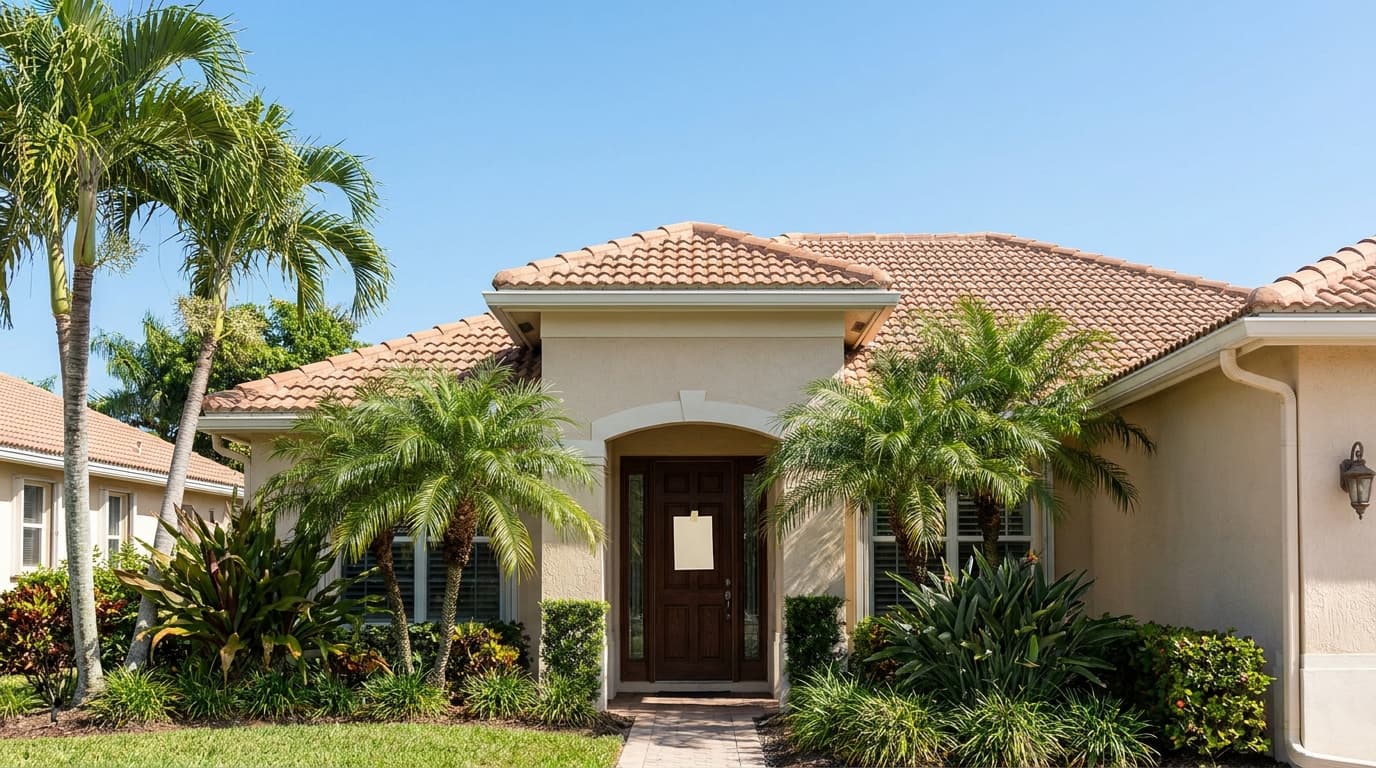

If you've recently received a code enforcement notice about unpermitted work at your Lee County home, you're likely experiencing a mix of stress, confusion, and uncertainty about what comes next. You're not alone — thousands of Florida homeowners face this situation every year, often because they hired a contractor who cut corners, or they underestimated the permit requirements for a project. The good news: unpermitted work violations in Lee County are absolutely resolvable. The better news: most violations don't result in massive fines or forced removal of work if you act quickly and follow the right process.
This guide walks you through exactly how Lee County's code enforcement system works, what your violation notice means, and the specific steps to bring your property back into compliance. Whether your violation involves unpermitted additions, electrical work, plumbing, roofing, or interior renovations, the resolution pathway is similar — and it starts with understanding where you stand legally and what the county actually requires from you.
Understanding Lee County Code Enforcement and Unpermitted Work
What Counts as Unpermitted Work in Lee County?
Unpermitted work is any construction, renovation, alteration, or installation that requires a building permit under Florida Statute 553 and Lee County's building code, but was completed without obtaining that permit first or having the work properly inspected. In Lee County (which includes Fort Myers, Cape Coral, Lehigh Acres, and unincorporated areas), the Lee County Building & Permit Department enforces the Florida Building Code and local amendments.
Common examples of unpermitted work that trigger violations include:
Not everything requires a permit. Minor cosmetic work — painting, cabinet replacement without structural changes, flooring installation over existing substrate — typically doesn't. But when in doubt, the county errs on the side of requiring permits to ensure structural integrity, safety, and code compliance.
Why Lee County Has Code Enforcement
Code enforcement exists to protect you and your neighbors. Building permits ensure work meets safety standards, protects property values, and guarantees inspections at critical stages. Unpermitted work can hide electrical hazards, structural problems, or plumbing issues that put your family at risk and create liability for you as the homeowner. When you sell, these violations surface in title searches and inspections — sometimes torpedoing deals or forcing expensive retroactive remediation.
Lee County Code Enforcement (part of the Building & Permit Department) receives complaints from neighbors, discovers violations during inspections, or identifies them during property transfers or insurance claims.
Your Violation Notice: What It Means
When you receive a code enforcement notice (also called a violation notice or citation), it will include:
The notice is not an eviction notice or a demand to tear down your addition. It's a formal request to bring the property into compliance. However, ignoring it has serious consequences.
Watch Related Videos on YouTube
unpermitted work violation Lee County Florida how to fix guide
The Four Paths to Resolving Your Violation
Once you understand the violation, you have four main options. The path you choose depends on the type of work, whether it's safe and structurally sound, local building code requirements, and your timeline and budget.
Path 1: Obtain a Retroactive Permit and Pass Inspections
This is the preferred resolution pathway if the unpermitted work is structurally sound and can reasonably be brought into code compliance. A retroactive permit allows you to document the work, have it inspected, and legalize it.
#### Step 1: Hire a Licensed Florida Contractor or Design Professional
To apply for a retroactive permit, you'll typically need a licensed contractor or architect to:
If your unpermitted work was done by a contractor, contact them first. If they're licensed and in good standing, they may be willing to help resolve the violation (especially if the property sale or insurance claim prompted the discovery). If they refuse, or if the work was DIY, hire a new contractor with a strong reputation — look for someone with a HomeProBadge verification, which confirms identity, background check, and active licensing.
Key insight: Choose a contractor who has experience with code enforcement resolutions in Lee County. They'll know exactly what the building department expects and can navigate the process faster.
#### Step 2: Schedule a Pre-Application Conference with Lee County Building & Permit
Before submitting a formal retroactive permit application, call the Lee County Building & Permit Department at (239) 533-8000 and request a pre-application conference. This informal meeting with a plan reviewer allows you to:
This step saves money and frustration by clarifying expectations before you invest in detailed plans.
#### Step 3: Submit "As-Built" Plans to the Building Department
Your contractor prepares detailed plans showing:
These plans don't need to be as detailed as original construction documents, but they must be accurate and verifiable.
#### Step 4: Pay Permit Fees and Submit the Application
Retroactive permit fees vary based on project scope. Lee County fees are typically calculated on square footage and trade (electrical, plumbing, HVAC, etc.). For example:
Submit your application with the as-built plans, contractor license verification, and the applicable fee. Lee County processes applications in order; typical review time is 5–10 business days.
#### Step 5: Pass Required Inspections
Once the permit is issued, the building department will schedule inspections for:
Depending on the work, inspections happen within 5–10 days of scheduling. Your contractor coordinates with the inspector; you should be present or have the contractor document sign-off.
#### Step 6: Receive Your Certificate of Compliance or Occupancy
Once all inspections pass, Lee County issues either:
This document resolves your code enforcement violation and protects you when selling the home or filing insurance claims.
Timeline: 3–6 weeks (depending on inspection scheduling and any code corrections needed) Cost: Permit fees ($150–$500+) + contractor fees for plan prep ($500–$2,000 depending on complexity)Path 2: Remove or Demolish the Unpermitted Work
If the unpermitted work cannot be brought into code compliance — or if the cost is prohibitive — you may be required to remove it. This is common for:
#### Step 1: Obtain a Demolition Permit
Removing the work is not free; you need a demolition permit from Lee County. This ensures removal is done safely and debris is properly disposed of. Contact the Building & Permit Department to:
#### Step 2: Hire a Demolition Contractor
Hire a licensed demolition/construction contractor to remove the work. Get at least two bids. They'll handle:
#### Step 3: Schedule Final Inspection
Once demolition is complete, the building department inspects to confirm removal. The violation is then closed.
Timeline: 2–4 weeks Cost: Demolition permit ($50–$150) + contractor demolition/removal ($1,000–$10,000+ depending on scope)Reality check: Demolition is usually more expensive than obtaining a retroactive permit. Explore Path 1 first unless the work genuinely cannot be remediated.
Path 3: Appeal or Request a Variance
If you believe the violation notice is incorrect, or if the code requirements seem unreasonable for your situation, you can appeal to Lee County's Code Enforcement Board or request a variance from zoning/building code restrictions.
#### When Appeals Make Sense
#### How to Appeal
File a written appeal with the Lee County Code Enforcement Board within 14 days of receiving the violation notice. Your appeal should include:
Contact the Lee County Code Enforcement Board at (239) 533-8000 for the formal appeal process and deadline.
Timeline: 30–60 days (including board hearing and decision) Cost: Minimal (filing fee may apply; often $50–$100)Path 4: Negotiate a Compliance Timeline
If the violation is legitimate but you need more time to obtain a permit or remove work, you can request a compliance extension from Lee County code enforcement. This is often granted if:
Contact the case officer listed on your violation notice and request a written extension (typically 30–60 additional days). Document all correspondence.
Step-by-Step Resolution Process: The Complete Timeline
Immediate Actions (Days 1–3)
Step 1: Read Your Violation Notice Carefully
Understand exactly what was flagged, the violation code, and the deadline for compliance. Keep this document safe — you'll reference it throughout the process.
Step 2: Do Not Panic, But Do Not Delay
Missing the compliance deadline results in escalating fines. Lee County typically assesses daily penalties (often $50–$250/day) if the violation remains unresolved. A 30-day deadline becomes expensive quickly.
Step 3: Contact the Case Officer
Call the number on your violation notice and speak with the assigned code enforcement officer. Ask:
Many officers are cooperative if you show you're taking the violation seriously.
Early Planning (Days 3–7)
Step 4: Decide Your Resolution Path
Based on the officer's feedback and your situation:
Step 5: Hire a Contractor (if Pursuing Path 1)
If you're pursuing a retroactive permit, hire a licensed contractor experienced with Lee County code resolutions. They should:
Verify their Florida contractor license at DBPR.MyFlorida.com (Florida Department of Business and Professional Regulation). Contractors with HomeProBadge verification have passed identity and background checks, which provides extra confidence.
Step 6: Schedule Pre-Application Conference (Days 7–10)
Your contractor contacts Lee County Building & Permit to schedule a pre-application meeting. This typically happens within 1 week. Come prepared with photos and a basic description of the work.
Active Resolution (Weeks 2–4)
Step 7: Prepare and Submit Permit Application
Your contractor prepares as-built plans, gathers supporting documents, and submits the retroactive permit application with the appropriate fee to Lee County.
Step 8: Respond to Plan Review Comments
The plan reviewer may request modifications or additional information. Respond within the stated deadline (usually 5–10 business days). Common requests:
Step 9: Obtain Permit and Schedule Inspections
Once the application is approved, you receive the permit. Your contractor schedules required inspections (rough and final). Inspections typically occur within 1–2 weeks of scheduling.
Final Resolution (Weeks 5–6)
Step 10: Pass Inspections and Receive Compliance Documentation
Once all inspections are passed, Lee County issues your Certificate of Compliance (or Occupancy). Your violation is officially resolved. Save this document — you'll need it for home sales, refinancing, or insurance purposes.
Step 11: Close Your Case with Code Enforcement
Notify the case officer that the violation is resolved and request written confirmation that your case is closed. This prevents surprise reopenings later.
Key Warnings and Critical Details
Do not ignore the violation or miss the deadline. Fines accumulate daily, and continued non-compliance can lead to liens on your property, even legal action. The longer you wait, the more expensive resolution becomes.
If the original contractor is licensed, hold them accountable. Many contractors have liability insurance and bonding that covers their failure to permit work. They may be required to remediate at their cost. If they refuse, file a complaint with the Florida Department of Business and Professional Regulation (DBPR).
Selling without resolving the violation is risky. Most title companies will not insure a property with open code violations. Buyers will demand resolution or price reduction. It's usually cheaper to fix the problem before listing than to negotiate with a buyer.
Common Lee County Unpermitted Work Violations: Code References
Florida Statute 553 (Florida Building Code) and Lee County's Local Amendments define requirements. Here are common violations:
| Violation Type | Florida Statute Reference | Lee County Code | Typical Remedy |
|---|---|---|---|
| Unpermitted Addition | 553.401 | LDC 3.10 | Retroactive permit + inspections OR demolition |
| Electrical Work Without Permit | 553.401, 403 | LDC 22.3 | Electrical permit + panel inspection |
| Plumbing Modification | 553.401, 403 | LDC 23.3 | Plumbing permit + pressure test inspection |
| Roof Replacement | 553.401 | LDC 22.1 | Roofing permit + wind resistance verification |
| Pool Installation | 553.401, NEC | LDC 3.10, 22.3 | Pool permit + electrical inspection |
| HVAC System Change | 553.401 | LDC 22.4 | HVAC permit + efficiency rating verification |
| Structural Wall Removal | 553.401 | LDC 22.1 | Engineering report + structural permit |
Understanding Fines and Escalation in Lee County
If you do not resolve the violation by the stated deadline, Lee County begins assessing fines:
A $100/day penalty translates to $3,000/month. A violation ignored for 3 months can easily become a $9,000 debt. This alone justifies acting quickly.
What Happens When You Sell Your Home with an Unresolved Violation
If you attempt to sell with an unpermitted work violation:
FAQ: Unpermitted Work Violations in Lee County
Q: Will Lee County force me to tear down my addition if I can't get a retroactive permit?
A: Not necessarily. If the addition meets setback, height, and lot coverage requirements and is structurally sound, a retroactive permit is almost always possible. Demolition is a last resort for work that truly cannot meet current code. Your building department will work with you on solutions.Q: How much does a retroactive permit cost in Lee County?
A: Permit fees are based on project scope and square footage. A typical room addition (150–250 sq. ft.) costs $150–$400 in permit fees alone. Contractor plan prep fees ($500–$2,000) are separate. Get estimates from your contractor.Q: Can I get an extension if I can't meet the deadline?
A: Yes. Contact your case officer and request a written extension (usually 30–60 days). Provide evidence that you're actively resolving the violation (contractor quotes, permit application in progress). Extensions are often granted for good-faith efforts.Q: What if the original contractor won't help resolve the violation?
A: Hire a new contractor. If the original contractor was licensed and the work was defective, file a complaint with the Florida Department of Business and Professional Regulation (DBPR.MyFlorida.com). They can force remediation or hold the contractor financially accountable.Q: Does resolving a violation affect my homeowner's insurance?
A: Potentially. Once the violation is resolved with a Certificate of Compliance, your insurer should recognize the work as legal and code-compliant. However, inform your insurer of the violation during the resolution process — some policies have clauses requiring disclosure of code issues.Q: How long does the entire resolution process take?
A: 4–8 weeks if pursuing a retroactive permit (pre-application, plan review, inspections). Demolition is typically 2–4 weeks. Appeals can take 60+ days.Q: Can I sell my home while a violation is being resolved?
A: Technically yes, but it's complicated. Buyers will be wary, and lenders may refuse to finance. Resolve the violation first, then list. It's cleaner and faster.Q: What if I inherited the home with unpermitted work?
A: You're now responsible for resolving it. Contact Lee County and explain your situation. Many officers are sympathetic to inherited violations and will work with you. Follow the same resolution pathway as above.Q: Is unpermitted work a criminal matter in Florida?
A: No. Code violations in Florida are civil administrative matters, not criminal. You won't face jail time, but you face fines, liens, and property complications. The goal is compliance, not punishment.Q: Can I appeal the violation if the work was done before I bought the property?
A: Possibly. If the work was permitted or compliant when completed, you may have grounds to appeal. Provide documentation (old permits, contractor affidavits). If the previous owner violated code, you inherit the problem but can appeal based on timing and prior legality.Next Steps: Getting County-Specific Help
If you're facing an unpermitted work violation in Lee County, the steps outlined above give you a clear roadmap. However, navigating the building department, understanding code requirements, and coordinating with contractors can be overwhelming — especially under the stress of a violation notice.
That's where HomeProBadge comes in. We provide:
Visit HomeProBadge.com to generate your Lee County violation action plan and connect with verified contractors who've helped other homeowners resolve similar violations. A clear plan + the right contractor = faster resolution and peace of mind.
Don't let an unpermitted work violation stress you indefinitely. Act now, follow the proper pathway, and you'll be back in compliance within weeks — protecting your family, your property value, and your peace of mind.