

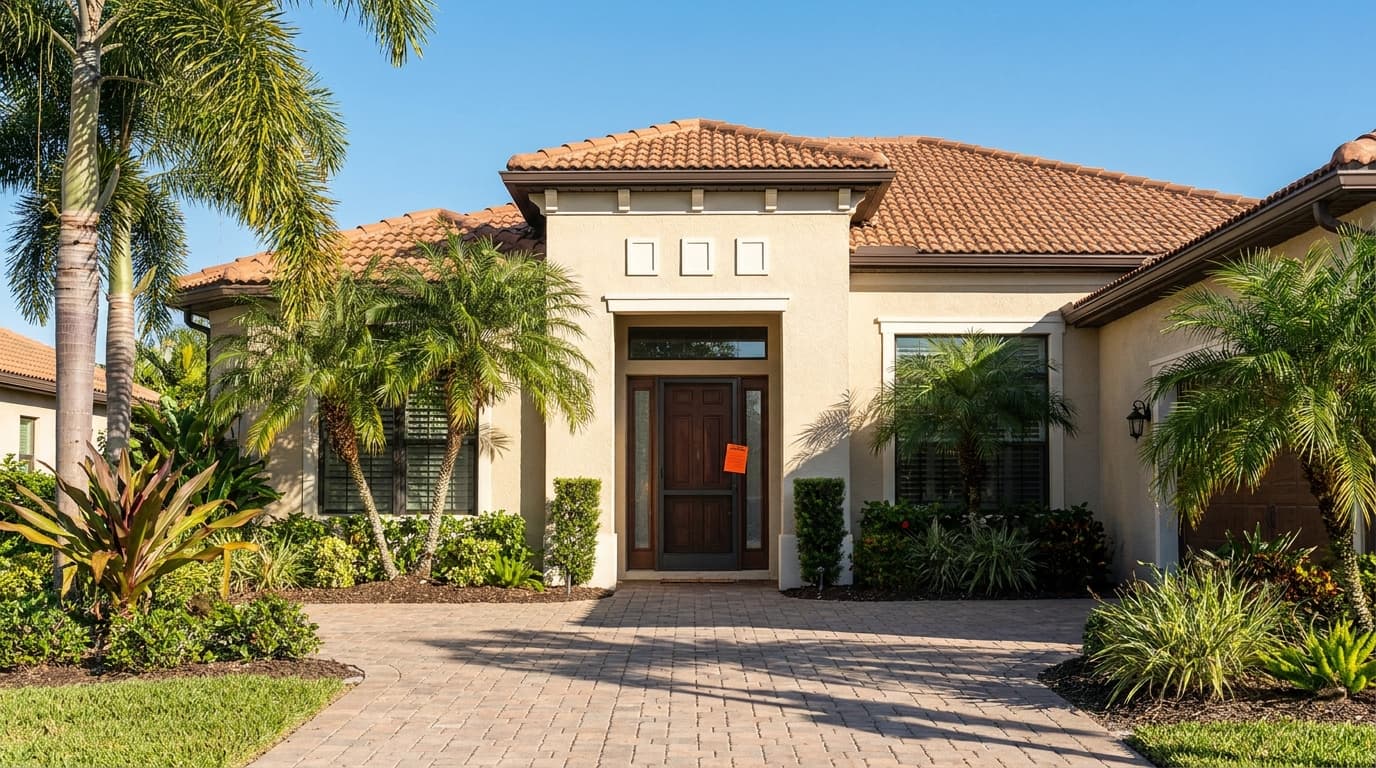

Getting a code enforcement notice about unpermitted work can feel like a punch to the gut. Your heart rate spikes. You wonder if you're facing fines, forced removal of the work, or worse—a lien on your home. If you're a homeowner in Escambia County dealing with this situation, take a breath. You have options, and most violations are resolvable with the right information and approach.
Unpermitted work violations happen more often than you'd think. Sometimes previous owners did work without permits. Sometimes contractors cut corners. Sometimes homeowners thought a small project didn't need approval. Regardless of how it happened, Escambia County's code enforcement team has issued you a notice because they want compliance—not punishment. This guide walks you through exactly what to do next.
Understanding Unpermitted Work Violations in Escambia County
Before you can fix the problem, you need to understand what triggered the violation in the first place.
What Counts as Unpermitted Work?
In Escambia County, most construction, remodeling, repair, and alteration work requires a permit from the Building Department. This includes:
The underlying authority comes from Florida Statute 553, which establishes the Florida Building Code. Escambia County adopts and enforces these standards locally. The Building Code exists to ensure work is safe, meets energy codes, and protects public health.
Small repairs and maintenance don't typically require permits—things like painting, replacing cabinet hardware, or fixing a leaky faucet. But when in doubt, it's always better to ask the Building Department than to assume.
Why Code Enforcement Issued Your Notice
Escambia County's Division of Code Enforcement may have found your violation through:
The notice itself should clearly state:
Step-by-Step: How to Resolve Your Violation
Step 1: Read Your Notice Carefully and Note All Deadlines
Your code enforcement notice is a legal document. Before doing anything else, read it thoroughly.
What to look for:
Warning: Do not ignore the deadline. Fines accrue daily, and your liability only increases. Even if you plan to appeal, you need to take action by the deadline stated in the notice.
Step 2: Assess the Work and Determine Your Compliance Path
You have three main options for resolving an unpermitted work violation in Escambia County:
Path A: Obtain a Permit RetroactivelyIf the work was done correctly (even if unpermitted), you can apply for a permit after the fact. A building inspector will review the work, inspect it, and either approve it or require corrections. Once permitted and approved, the violation is resolved.
Path B: Remedy or Remove the WorkIf the work doesn't meet code, was done poorly, or you don't want to legalize it, you can hire a contractor to undo it or bring it into compliance. Once the work is corrected or removed, the county inspects and closes the violation.
Path C: Request a Hearing/AppealIf you believe the notice is in error—for example, the work predates permit requirements, falls outside code enforcement jurisdiction, or involves a disputed property line—you can request a formal hearing. A hearing officer will review your case.
Most homeowners pursue Path A (retroactive permitting) because the work is already done, and legalizing it is the cleanest solution.
Watch Related Videos on YouTube
unpermitted work violation Escambia County Florida how to fix guide
Step 3: Contact Escambia County Building Department
Now that you know your deadline and your likely path, reach out to the Building Department directly.
Escambia County Building Department Contact Info:When you call or visit:
Pro Tip: Be honest and cooperative. Building officials appreciate homeowners who take violations seriously. This attitude can influence how strictly or flexibly they apply code in borderline situations.
Step 4: Gather Documentation and Prepare Your Permit Application
If you're pursuing retroactive permitting (Path A), you'll need to apply for a permit. This requires documentation of the work.
Gather the following:
If you don't have detailed documentation, that's okay—the building inspector will assess the work in person. But the more you can provide, the smoother the process.
Step 5: Work With a Licensed Contractor (Recommended)
While you can apply for a permit yourself, having a licensed contractor on your side significantly improves your odds of approval, especially for complex work like electrical or plumbing.
A licensed contractor can:
If the original contractor is unavailable or unreliable, hire a new one. Many contractors specialize in permit corrections. You can find qualified, verified contractors in your county through HomeProBadge's verified contractor directory—all are identity-checked and background-verified.
Step 6: Submit the Permit Application
Once you've gathered documentation and engaged a contractor (if applicable), submit your permit application to Escambia County Building Department.
Applications can typically be submitted:
Include:
Keepa copy for your records and note the application number and submission date.
Step 7: Schedule and Pass Inspection
Once your permit is issued, the building inspector will schedule an inspection of the unpermitted work.
Before inspection:
During inspection, the inspector will:
Step 8: Close the Violation
Once the inspector approves the work, Escambia County Building Department will formally close the violation. You should receive written confirmation.
This is important because:
Keep this written closure in your files permanently.
Understanding Escambia County Building Code and Florida Statute 553
Escambia County enforces the Florida Building Code, which is based on the International Building Code (IBC) and adopted by reference in Florida Statute 553. This statute gives counties the authority to adopt and enforce the Florida Building Code locally.
Key points:
| Aspect | Details |
|---|---|
| Primary Authority | Florida Statute 553 (Florida Building Code); Escambia County Land Development Code |
| Code Version | Florida Building Code (updated every three years; Escambia County adopts the current version) |
| Permitting Authority | Escambia County Building Department |
| Inspector Qualifications | Certified by Florida; must pass exams for specific trades |
| Homeowner Rights | Right to appeal, right to hearing, due process |
| Exemptions | Minor repairs, maintenance; single-family owner-occupied work under certain conditions (varies) |
Common Code Violations in Unpermitted Work
Unpermitted work often violates code in these ways:
When you apply for a retroactive permit, the inspector will check for these and note any deficiencies. Most can be corrected without dismantling the work entirely.
Important Warnings and Risks
Warning: Do not delay. Every day past your deadline adds fines. Fines compound. In some cases, Escambia County can issue a "Stop Work" order or even seek removal of the work entirely.
Warning: Disclose violations if selling. Florida law requires property sellers to disclose known code violations. Selling without disclosure exposes you to buyer lawsuits and rescission. It's far better to resolve the violation before listing.
Warning: Insurance implications. Some homeowners insurance policies exclude coverage for unpermitted work. If there's a claim (e.g., fire, water damage), denial of coverage is possible. Resolve the violation to avoid coverage gaps.
FAQ: Unpermitted Work Violations in Escambia County
Can I be forced to remove work that's unpermitted?
Yes, but only as a last resort. If you ignore notices and don't comply, Escambia County can issue a final order for removal. However, if you're actively working toward resolution (applying for permits, correcting deficiencies), removal is unlikely. The county's goal is code compliance, not punishment.
How much will a retroactive permit cost?
Retroactive permit fees are typically based on the scope and estimated cost of the work. For example, a $5,000 kitchen remodel might have a permit fee of $100–$200. Ask the Building Department for a fee estimate when you call.
Can I appeal a code enforcement notice?
Yes. Your notice should include appeal instructions. Usually, you have 15–30 days to request a hearing. A hearing officer (not the original inspector) will review your case. Appeal if you believe the notice is in error or the work shouldn't require a permit.
What if the original contractor is gone or won't help?
You can hire a new contractor to complete the correction or bring the work into compliance. The new contractor doesn't have to be the original one. Many contractors specialize in permit corrections and are familiar with code enforcement processes.
Will resolving the violation hurt my home's value?
No. In fact, it protects it. Unpermitted work is a title cloud that complicates sales, refinances, and insurance. Once properly permitted and inspected, the work is an asset, not a liability. Buyers prefer homes with clear title and proper permitting.
What if I'm renting and the landlord did unpermitted work?
As a tenant, you typically aren't responsible for the violation. However, if the code enforcement notice names the property (not you specifically), you can inform the landlord and suggest they resolve it. If they don't, the county will pursue them. You may want to document the correspondence in case the issue affects habitability or your lease.
How long does the retroactive permit process take?
Typically 2–6 weeks from application to closure, depending on the scope and complexity of work. Electrical and plumbing inspections are straightforward and often approved in one visit. Structural or major remodeling may require multiple inspections. Ask the Building Department for a realistic timeline.
Do I need to obtain a permit if the work was done years ago?
Yes. The age of the work doesn't matter legally. If it's discovered now, it's unpermitted now. However, if the work predates current code (e.g., it was installed in 1990 and code changed in 2010), the inspector may not require you to upgrade it to current code—just verify it's not hazardous. Ask the inspector about this.
Can I do the correction work myself, or does it have to be a contractor?
It depends on the trade. Electrical and plumbing work must typically be done by licensed contractors in Florida. Structural work and major remodeling typically require licensed general contractors or the specific trade license. Some cosmetic or minor work can be owner-performed, but verify with the Building Department first. When in doubt, hire a licensed contractor.
What happens if I sell my home before resolving the violation?
You're legally required to disclose the violation to the buyer. Most buyers will require resolution before closing. Lenders often won't finance properties with unresolved code violations. Selling without disclosure opens you to litigation. Resolve the violation before listing.
If I've lived here for years with this work, why is code enforcement noticing it now?
Code enforcement priorities shift. A complaint from a neighbor, a new inspector, a title search, or a property sale can trigger a notice. The age of the violation doesn't waive the requirement to comply. That said, working violations (those that are safe, functional, and in good condition) are sometimes given lower priority than dangerous ones.
Taking Action: Your Next Steps
You now understand the violation, your options, and the resolution path. Here's what to do immediately:
Get Expert Help With HomeProBadge
Navigating code violations is stressful, and every situation is unique. HomeProBadge offers county-specific Permit Violation Action Plans tailored to Escambia County's Building Department procedures, contact information, and timelines. These AI-generated action plans walk you through each step with a personalized roadmap.
Additionally, if you need a licensed, verified contractor to help with corrections or permitting, HomeProBadge's verified contractor directory lists trusted professionals in your area—all identity-verified and background-checked. You can review their portfolios, ratings, and past work before hiring.
Visit HomeProBadge.com to:
Final Thoughts
An unpermitted work violation in Escambia County is fixable. Yes, it's stressful, and yes, there's a process. But thousands of Florida homeowners resolve these violations every year by following the steps outlined here. The key is to act quickly, stay organized, and work cooperatively with the Building Department.
Your goal is compliance, not confrontation. The county's goal is the same. By taking responsibility, applying for a retroactive permit, passing inspection, and obtaining written closure, you transform a liability into a legitimate, code-compliant asset.
You've got this. Start with that phone call to the Building Department today.