

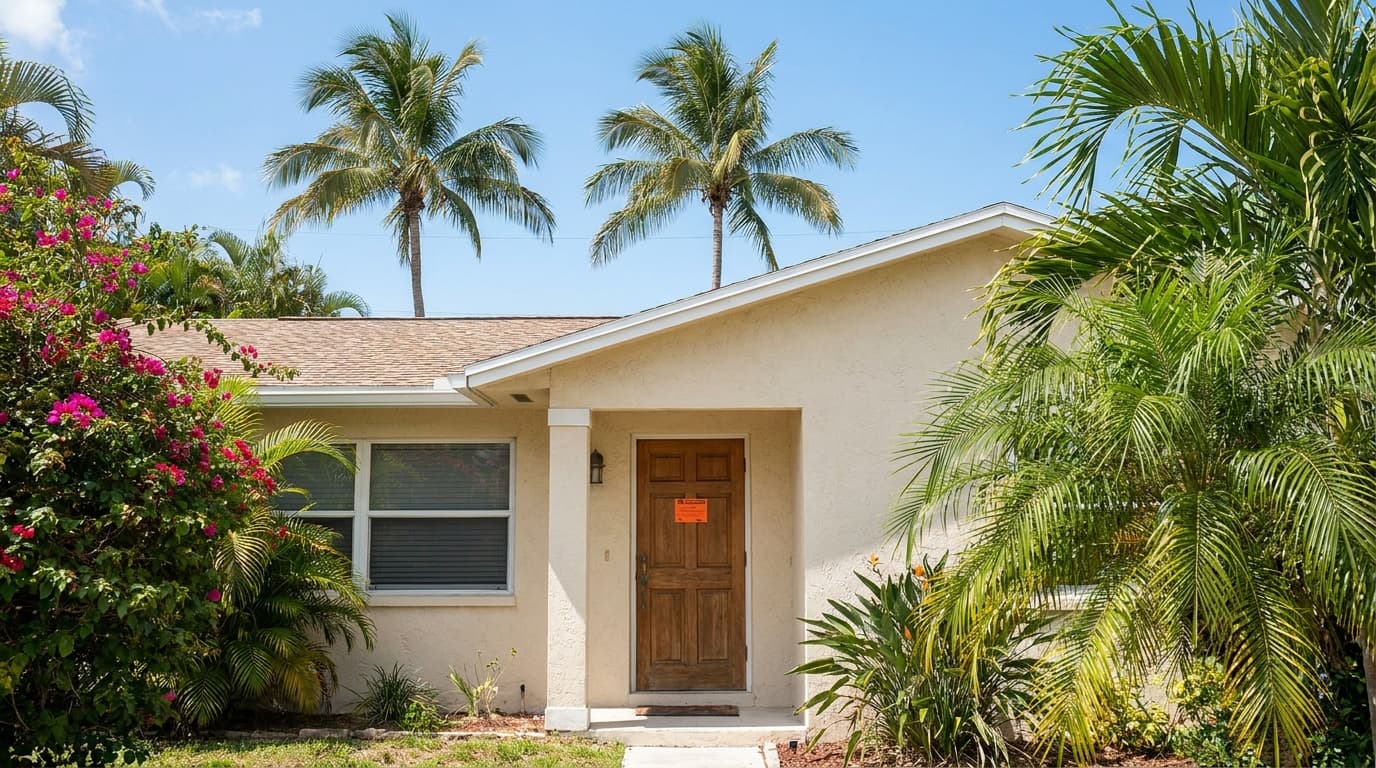

Getting a code enforcement notice for unpermitted work in Bradford County is stressful—but you're not alone, and it's fixable. Whether you hired a contractor who didn't pull permits, completed a DIY project without authorization, or inherited a property with existing violations, the path forward exists. This guide walks you through exactly what happens next, what your legal options are, and how to get your property back into compliance with Bradford County building codes.
Unpermitted work violations carry real consequences: fines that escalate daily, difficulty selling your property, insurance claim denials, and potential legal action from the county. But here's the good news: Bradford County code enforcement officers are used to working with homeowners to resolve these issues. Understanding the process, responding quickly, and knowing your options dramatically improves your outcome.
Understanding Unpermitted Work in Bradford County
What Counts as Unpermitted Work?
Unpermitted work in Bradford County is any construction, renovation, repair, or installation that required a permit under Florida Statute 553 (Florida Building Code) but was completed without county authorization. This includes:
Minor repairs—fixing a leaky faucet, replacing drywall in a small area, painting—typically don't require permits. But if you're unsure whether work needs a permit, the safest assumption is that it does.
Why Bradford County Code Enforcement Contacted You
Code enforcement typically discovers unpermitted work through:
Regardless of how the county found out, the next steps are the same.
Watch Related Videos on YouTube
unpermitted work violation Bradford County Florida how to fix guide
Step 1: Read Your Code Enforcement Notice Carefully
Your notice is a legal document. Don't panic, but do take it seriously and read every word.
What the Notice Contains
Your code enforcement notice should include:
Key Information to Extract
Write down:
Warning: Do not ignore the notice or miss the deadline. If you don't respond by the cure date, the county can file a lien against your property, pursue legal action, or impose escalating daily fines (typically $100–$500 per day in Florida).
Step 2: Gather Documentation About the Work
Before you contact anyone, collect everything you have related to the unpermitted work.
Documents to Find
If you hired a contractor who didn't pull permits, this documentation helps prove good faith and may help the county understand the situation. If you did the work yourself, photos showing the quality and completion help with the resolution process.
If You Don't Have Documentation
Don't worry—lack of documentation doesn't prevent resolution, it just means you'll need to work closely with the county to establish what work was done and how to bring it into compliance.
Step 3: Contact Bradford County Code Enforcement Immediately
Don't wait until the last day of your cure period. Call or visit the Bradford County Code Enforcement office as soon as possible.
Bradford County Code Enforcement Contact Information
What to Say When You Call
- What exactly needs to be corrected?
- Can the work be legalized with a retroactive permit, or must it be removed/redone?
- What's the process for getting an inspection once corrected?
- Are there any fees or fines associated with curing the violation?
- Can I request a deadline extension if needed?
The Code Enforcement Officer Will Likely Ask You:
Answer honestly and completely. Code enforcement officers are not trying to trick you—they're trying to document the violation and move toward resolution.
Tip: Take notes during the call. Write down the officer's name, the date/time of the call, and any specific instructions given. This documentation protects you if there's confusion later.
Step 4: Understand Your Options for Resolution
You typically have three pathways to resolve an unpermitted work violation in Bradford County.
Option A: Legalize the Work with a Retroactive Permit
If the work was completed competently and meets current building codes, the county usually allows you to apply for a retroactive (after-the-fact) permit. This is the most common resolution path.
How it works:Option B: Remove or Undo the Work
If the work cannot be legalized, fails inspection, or you choose not to proceed with legalization, you can remove it.
How it works:Option C: Variance or Appeal
In rare cases, you can request a variance from strict code compliance if:
Which Option Is Best?
It depends on the specific violation, the quality of the work, and your goals. Most homeowners choose Option A (retroactive permit) because it fully legalizes the work and resolves the violation permanently.
| Situation | Best Option | Why |
|---|---|---|
| Electrical/plumbing work done by competent contractor | Retroactive permit | Most likely to pass inspection and fully legalize |
| Structural work (addition, deck) that looks sound | Retroactive permit + inspection | Professional evaluation ensures safety and code compliance |
| Minor cosmetic or DIY work with quality concerns | Removal | Easier than defending non-code-compliant work |
| Work already partially failed or damaged | Removal | Legalization unlikely; removal is cleanest resolution |
| Work performed by licensed, bonded contractor | Retroactive permit | Contractor documentation helps with permit application |
| Work by unlicensed or unknown contractor | Case-by-case | Depends on quality and inspectability of work |
Step 5: Gather Quotes and Hire the Right Professional
Whichever path you choose, you'll likely need a professional: either a contractor to redo/remove the work, or an engineer/architect to prepare plans for retroactive permitting.
For Retroactive Permits
You'll need:
For Work Removal
You'll need:
Hiring Tips
Critical: Do not hire an unlicensed contractor to fix unpermitted work. This often compounds the problem and can create new violations. Licensed contractors carry insurance, understand code compliance, and their work is defensible with code enforcement.
Using HomeProBadge to Find Verified Contractors
If you're struggling to find qualified contractors in Bradford County, HomeProBadge's Verified Contractor Directory lets you search by county and trade. You can view contractor portfolios, trust scores, and verified reviews—helping you find someone experienced with code violations and serious about quality.
Step 6: Apply for Retroactive Permit or Submit Your Resolution Plan
Once you've chosen your path and gathered necessary documentation, submit your formal application or resolution plan to Bradford County.
For Retroactive Permit Applications
For Removal Plans
Step 7: Prepare for and Pass Inspections
If you're pursuing retroactive permitting, expect inspections. Code inspectors will evaluate the work against Florida Building Code standards.
Before the Inspection
During the Inspection
If Inspection Fails
This doesn't mean the end of the road. Most failures are fixable:
Work with your contractor to address all deficiencies and schedule a reinspection.
Step 8: Obtain Final Closure and Documentation
Once the violation is resolved—whether through retroactive permit approval, removal verification, or variance approval—you need official closure documentation.
Documentation to Request
Keep these documents permanently. You'll need them if:
Key Warnings and Common Mistakes
Do not attempt to hide unpermitted work. Code violations typically worsen over time. What costs $1,000 to fix today becomes a $5,000+ problem plus daily fines if ignored. Additionally, failure to disclose unpermitted work when selling a property can result in legal liability.
Do not hire unlicensed contractors. Using unlicensed workers to fix unpermitted work often creates new violations and complicates the resolution process. Always verify contractor licensing through the state.
Do not miss your cure deadline. If the code enforcement notice says you have 30 days to cure the violation, take it seriously. After the deadline passes, fines accrue daily and the county can take legal action.
FAQ: Resolving Unpermitted Work Violations in Bradford County
How much will it cost to resolve the violation?
It depends on the scope and your chosen resolution path. Retroactive permits typically cost $300–$1,500 (permit fees + inspection fees, plus any contractor fees if work must be corrected). Removal costs $500–$5,000+. Request a detailed quote from your contractor and confirm all fees with the county before proceeding.How long does it take to resolve a violation?
Typically 4–12 weeks for retroactive permits; 2–8 weeks for removal. This assumes you respond quickly, submit complete applications, and pass inspections on the first attempt. Delays happen if documentation is incomplete, inspections identify additional violations, or you request deadline extensions.Can I sell my house if there's an unpermitted work violation?
Technically yes, but with complications. You're legally required to disclose the violation to potential buyers. This typically reduces the sale price, complicates financing (lenders may require violation resolution), and makes the sale harder. Resolving the violation before listing makes the sale much easier and often recovers the resolution cost through higher sale price.Will I have to pay fines?
Possibly, depending on the violation's severity and how long it went unaddressed. Some violations trigger fines; others don't. Ask the code enforcement officer whether fines apply to your specific violation. Resolving violations quickly (before court action) often prevents or minimizes fines.What if I can't afford to fix the violation?
Discuss this with the code enforcement officer. In hardship cases, the county sometimes grants deadline extensions, payment plans, or works with you on alternative resolution methods. Ignoring the violation guarantees escalating fines and potential legal action, so it's worth requesting accommodation if needed.Can I dispute the code enforcement notice?
Yes, you have the right to request a hearing. The notice should include information about requesting a hearing before a code board or magistrate. You must request the hearing within the timeframe specified on the notice (usually 15–30 days). At the hearing, you can present evidence and argue your position. Consult with a code compliance attorney if you believe the violation is unjustified.What if the contractor who did the work refuses to help fix it?
You have legal recourse options. If a licensed contractor performed unpermitted work, you can:In the meantime, hire a different contractor to resolve the violation. Don't let the original contractor's unwillingness to help delay your compliance.
Will this affect my home insurance?
Potentially, yes. Insurance companies often deny claims for damage related to unpermitted work. Resolving the violation before filing claims protects your coverage. Some insurers may require you to resolve violations or may adjust premiums. Disclose the violation resolution to your insurance agent once it's complete.Do I need to hire a lawyer to resolve the violation?
Not typically, unless you're disputing the violation itself. Most homeowners work directly with code enforcement and contractors to resolve violations. However, consulting an attorney makes sense if:Getting a County-Specific Action Plan from HomeProBadge
Navigating code violations is overwhelming, and every county has different procedures and requirements. HomeProBadge's Permit Violation Action Plan is specifically designed to help.
Here's what you get:
Visit HomeProBadge.com to generate your action plan. It's an affordable, fast way to get clarity on exactly what comes next—no guessing, no delays.
You can also browse HomeProBadge's Verified Contractor Directory to find identity-verified, background-checked contractors in Bradford County who specialize in resolving code violations.
Final Thoughts
Unpermitted work violations in Bradford County are serious, but they're eminently solvable. The key is responding quickly, gathering accurate information, and choosing the right resolution path with professional support.
Don't wait. Call Bradford County Code Enforcement today, understand your options, and move forward. The sooner you act, the sooner you'll have peace of mind—and a property that's fully compliant with Florida building codes.
You've got this.