

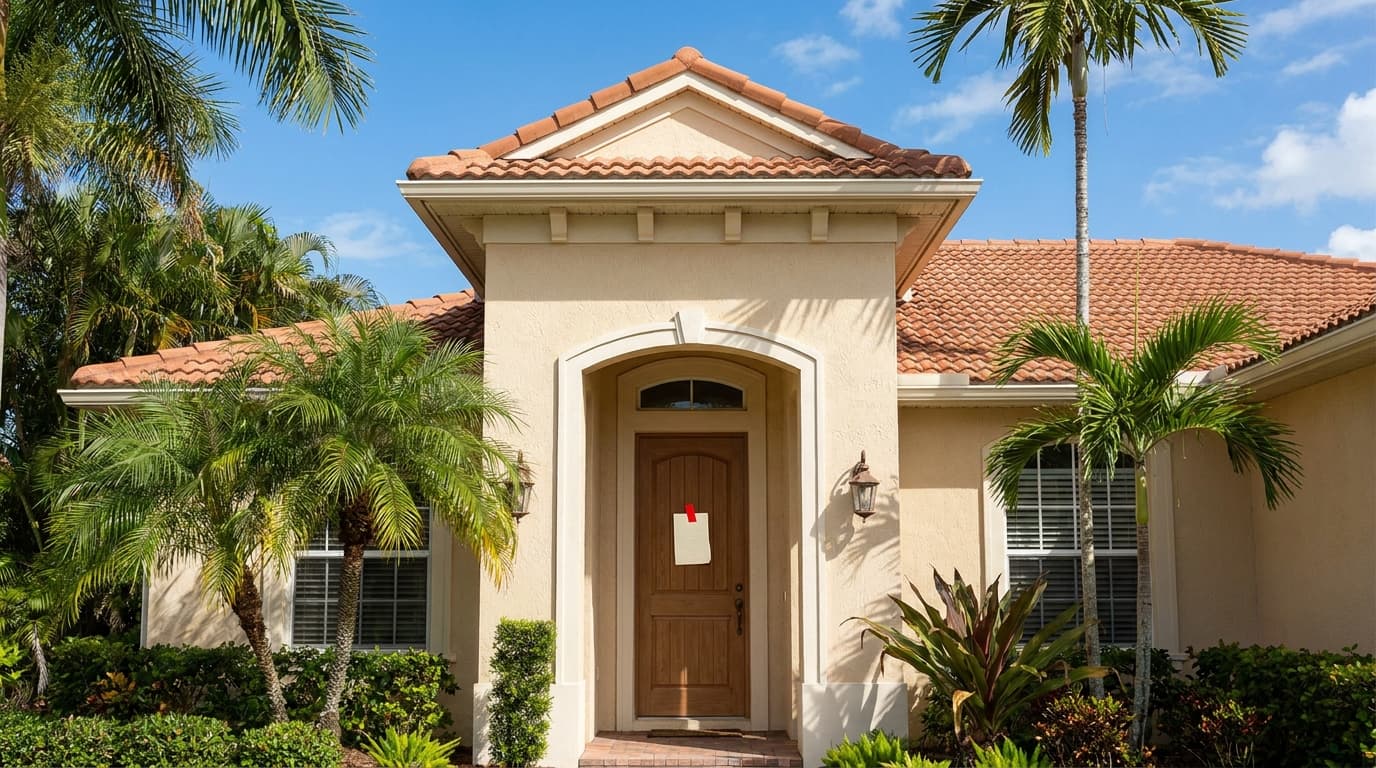

You opened your mailbox and found a notice from Polk County Code Enforcement. Your heart sank. You—or a contractor you hired—completed work without getting the proper permits. Now you're facing fines, potential legal action, and the real stress of not knowing what comes next.
Take a breath. An unpermitted work violation in Polk County is a serious issue, but it's solvable. Thousands of homeowners face this situation every year across Florida, and the majority resolve it by taking swift, informed action. This guide will walk you through exactly what you need to do, how long it typically takes, what it will cost, and how to avoid this happening again.
Polk County, which includes cities like Lakeland, Winter Haven, and Bartow, enforces Florida Building Code standards and applies Florida Statute 553 (Florida Building Code, Electrical Code, and related regulations). The county's building and code enforcement department takes unpermitted work seriously—not to punish homeowners, but to protect public safety, property values, and neighborhood integrity. The good news: compliance pathways exist, and you have options.
Understanding Why Polk County Cracks Down on Unpermitted Work
Before diving into solutions, it helps to understand why code enforcement matters. Permits aren't bureaucratic busy work—they serve real purposes:
Safety inspections ensure structural integrity, electrical safety, plumbing code compliance, and that work meets current building standards. When unpermitted work is done, inspectors haven't verified that the work is safe. This puts your home, your family, and future buyers at risk. Property values and neighborhood standards depend on code compliance. Unpermitted additions, renovations, or modifications can affect your home's resale value and neighboring properties. Florida law (553.80) and Polk County ordinances require permits for most construction work. The county building department has the authority and responsibility to enforce these rules.When someone reports unpermitted work—whether a neighbor, a lender, an insurance company, or an inspector—the county opens a case. Code enforcement officers investigate. If violations are confirmed, you receive a notice to comply (or notice of violation), and the clock starts ticking.
Step 1: Read and Understand Your Code Enforcement Notice
What Your Notice Will Tell You
Your notice is not a bill. It's not a fine yet. It's a legal document outlining:
Critical Action: Read the Fine Print
Look for:
Warning: Do not ignore the notice or miss the deadline. Ignoring a code enforcement violation can result in daily fines (often $100–$500 per day in Polk County), property liens, and legal action. Acting fast protects you financially and legally.
Next Action
Contact the Polk County Code Enforcement Division right away. The main line is (863) 534-POLK (7655). Ask to speak with the officer who issued your notice. Explain that you want to resolve the violation and ask for a brief phone consultation to understand your options.
Step 2: Assess the Scope and Age of the Unpermitted Work
Age Matters: The "Prior Non-Conforming" Rule
Florida law has a crucial exception: Work completed more than a certain time ago may be grandfathered in under certain conditions. This is called "prior non-conforming use" or "grandfather status."
Key rule: If unpermitted work was completed more than 5 years ago and has been continuously used without interruption, Polk County may not be able to force you to remove it or bring it to current code. However, you may still need to:What You Need to Investigate Immediately
Document Everything
Create a folder (physical or digital) with:
You'll need these for any hearing or compliance discussion.
Watch Related Videos on YouTube
unpermitted work violation Polk County Florida how to fix guide
Step 3: Determine Your Compliance Options
You have three main pathways. Which one applies depends on your situation:
Option A: Bring the Work Into Compliance (Retroactive Permitting)
This is the most common path for recent unpermitted work.
What it means: You hire a licensed contractor and engineer (if needed) to bring the unpermitted work up to current Florida Building Code standards. Inspections happen, code violations are corrected, and the county issues a certificate of compliance or occupancy. Timeline: 4–12 weeks, depending on the scope of work required. Cost: $500–$5,000+ (permits, inspections, corrective work). Can be much higher for major work like additions or electrical systems. Pros:Option B: Apply for Grandfather (Prior Non-Conforming) Status
If the work is 5+ years old, you may be able to skip compliance and have the county administratively close the case as "prior non-conforming."
What it means: The county acknowledges the work exists, wasn't done to code, but was done long ago and is grandfathered under Florida law. You're not liable for current code compliance on that specific work. Timeline: 2–6 weeks to process (if approved). Cost: Minimal (filing fees, possibly $100–$300). Pros:Option C: Remove or Undo the Work
In rare cases, the county may require you to remove unpermitted work (e.g., tear down an illegal addition, remove unpermitted electrical wiring).
Timeline: Depends on scope; could be weeks to months. Cost: Highest option; removal + restoration can be expensive. When this happens:Tip: In most Polk County cases, Option A (retroactive compliance) is the path forward. Option B (grandfather) requires proof of age. Option C is rare and usually a last resort. Call the code enforcement officer and ask which option applies to your specific situation.
Step 4: Choose Your Path and Take Action
If You're Pursuing Retroactive Compliance (Option A)
Step 4A: Hire a Licensed ContractorYou must use a Florida-licensed contractor. This is not optional. The contractor will:
Get at least two estimates. A reputable contractor will be transparent about scope, timeline, and cost.
Step 4B: Work with a Structural Engineer (If Needed)For major work (additions, structural changes, electrical systems), the contractor may recommend a professional engineer. An engineer will:
Cost: $500–$2,500 depending on complexity.
Step 4C: File for Permits and Schedule InspectionsThe contractor handles most of this, but you should:
Don't wait silently. Contact the code enforcement officer in writing (email is fine) stating:
This shows good faith and often pauses any fine clock while you're actively working to comply.
If You're Pursuing Grandfather Status (Option B)
Step 4B1: Gather Proof of AgeYou need documentation showing the work is 5+ years old:
Contact Polk County Code Enforcement and ask to file a "Prior Non-Conforming Use" claim or "Grandfather Status Application." Provide all documentation. Some counties have specific forms; ask for theirs.
Step 4B3: Request Administrative ReviewThe county will review your documentation. If approved, they issue a "Grandfather Compliance Letter" or close the case as "Prior Non-Conforming - Closed." You're then released from the violation.
If Removal Is Required (Option C)
If the county determines the work must be removed:
Step 5: Navigate the Formal Hearing Process (If Necessary)
If you disagree with the violation or the county's determination, you have a right to a hearing.
When to Request a Hearing
How to Request a Hearing
Most notices include a form or instruction. If not, contact Polk County Code Enforcement and ask to file a "Request for Hearing." You'll typically get a hearing date within 30–60 days.
How to Prepare
| Preparation Step | Details | |
|---|---|---|
| Gather documentation | Contracts, permits, photos, expert reports, photographs with dates | |
| Write a statement | Explain your side in clear, factual language (1–2 pages) | |
| Hire a representative (optional) | Attorney or professional advocate familiar with Florida building code | |
| Contact witnesses | Neighbors, contractors, engineers who can testify | |
| Review the code sections | Read the Florida Statute 553 sections cited in your notice | |
| Prepare visual aids | Photos, drawings, timelines showing work age or compliance efforts | |
| Attend the hearing | Be professional, direct, and honest |
What Happens at the Hearing
You'll present your case before a hearing officer or magistrate (depending on the county process). The code enforcement officer presents their case. Both sides can present evidence and witnesses. The hearing officer then rules on the violation and next steps.
Note: A hearing does not erase the violation; it determines whether the violation is valid and what the remedy should be. Use it if you have a strong factual or legal argument.Important: If you go through a hearing and lose, you're back to compliance obligations. Consider this a last resort if you genuinely believe the code enforcement action is unfounded. Most violations are valid, and cooperation usually results in more favorable terms than fighting.
Step 6: Comply and Close the Case
Once corrective work is complete (or grandfather status is approved), here's how to formally close the case:
For Retroactive Compliance
For Grandfather Status
After Closure
Understanding Polk County Building Code Requirements
Polk County enforces the Florida Building Code (FBC), which adopts and modifies the International Building Code (IBC) and National Electrical Code (NEC). Key areas of enforcement:
Electrical Work
Florida Statute 553.80 and NEC standards. Electrical work requires a licensed electrician and permits. Common violations include:Structural / Additions
FBC and IBC standards for structural safety. Common violations include:Plumbing
FBC and Florida Administrative Code plumbing standards. Common violations include:HVAC
Florida Statute 553 and manufacturer standards. Common violations include:Common Questions and Timelines
How Long Does Compliance Take?
| Pathway | Typical Timeline |
|---|---|
| Retroactive Compliance (Option A) | 4–12 weeks (permits + corrections + inspections) |
| Grandfather/Prior Non-Conforming (Option B) | 2–6 weeks (review + approval) |
| Formal Hearing | 4–8 weeks (hearing request + hearing date + ruling) |
| Removal (Option C) | 2–6 weeks (removal + final inspection) |
What Are the Costs?
| Item | Typical Cost Range |
|---|---|
| Code Enforcement Notice (no cost for receiving) | $0 |
| Permits (retroactive) | $200–$800 |
| Contractor labor for corrections | $1,000–$5,000+ |
| Structural engineer (if needed) | $500–$2,500 |
| Hearing representation (attorney, optional) | $500–$2,000 |
| Total (average compliance case) | $2,000–$8,000 |
| Grandfather filing (if approved) | $100–$300 |
What Fines Will I Face?
Polk County's fine structure varies by violation type:
Can I Sell My Home If There's an Active Violation?
Legally, yes—but practically, it's complicated:
What if a Previous Owner Did the Unpermitted Work?
If you inherited the violation when you bought the home:
Most code enforcement officers are sympathetic to this situation and will extend deadlines if you act in good faith.
What if I Can't Afford to Fix It?
If corrective work is too expensive:
Don't ignore the problem; work with the county. Most will work with you if you communicate honestly.
Preventing Future Violations: Best Practices
Once you've resolved your current violation, prevent future ones:
Always Get Permits Before Work
Hire Licensed, Verified Contractors
Use the HomeProBadge verified contractor directory to find licensed professionals in Polk County. All listed contractors are identity-verified, background-checked, and maintain detailed portfolios with before/after documentation and trust scoring. This ensures you're hiring someone accountable and skilled.
Keep Documentation
After any work, request:
Store these permanently with your property records.
Beware of Handshake Deals
Never hire contractors who offer to "skip the permits to save money." This creates liability for you, not them. A licensed contractor will always recommend proper permitting.
What to Do Right Now
If you received a code enforcement notice for unpermitted work in Polk County:
Getting a County-Specific Compliance Roadmap
While this guide covers the general process, your specific situation is unique. The type of work, its age, the county's interpretation, your timeline, and budget all matter.
HomeProBadge offers AI-generated Permit Violation Action Plans for Polk County homeowners. These personalized plans walk you through exactly what you need to do, which pathway makes sense for you, estimated timelines and costs, and county contact info. Instead of guessing, you get a custom roadmap based on your violation details.Visit homeprobadge.com and select "Permit Violation Action Plan" to generate your plan for Polk County. It takes 10 minutes, costs a fraction of a contractor consultation, and gives you clarity and confidence.
FAQ: Unpermitted Work in Polk County
Q: Will the violation appear on my home's title or property records?
A: The code enforcement case is public record and may appear in county records. If you comply (bring work to code), the case closes and is marked as resolved. If you obtain grandfather status, it's closed as prior non-conforming. In both cases, the violation is no longer "active," but the history may still be discoverable during property sales or title searches.Q: Can a neighbor cause problems if they know about the violation?
A: Code enforcement cases are usually initiated by:Once the case is open, you must resolve it regardless of who reported it. Focus on compliance, not the neighbor issue.
Q: If I hire a contractor and they do the work wrong, can I sue?
A: Yes. If a contractor performs corrective work incorrectly and it fails inspection, you can pursue a claim for breach of contract or poor workmanship. Always have a written contract specifying scope, timeline, cost, and that all work will pass county inspection. This is another reason to use verified contractors with documented track records.Q: How do I know if work I'm planning needs a permit?
A: Call Polk County Building Department's Permit and Licensing Division at (863) 534-7655. Describe the work. They'll tell you whether a permit is required. This is free and takes 5 minutes. Always confirm before hiring a contractor.Q: Can I appeal a hearing decision?
A: Yes. If you disagree with the hearing officer's ruling, you can appeal to Polk County's circuit court within a specified timeframe (usually 30 days). This is complex and typically requires an attorney. Costs: $1,500–$5,000+ for legal representation.Q: What if I've already been fined?
A: Contact code enforcement and explain that you are now bringing the work into compliance. Request a reduction or waiver of fines. Many counties will forgive fines if you comply quickly and in good faith. If fines have already accrued and the county won't waive them, negotiate a payment plan.Q: Is unpermitted work always unsafe?
A: Not always. Some unpermitted work is perfectly safe but simply was not inspected during the process. However, you cannot know this without a professional inspection. The code enforcement process exists to verify safety. Comply with the process; don't assume it's fine.Q: Can I do the corrective work myself?
A: No. Florida law requires licensed contractors for electrical, plumbing, HVAC, and structural work. You cannot permit or correct unpermitted professional work as a homeowner. You must hire a licensed contractor.You can do your own owner-builder work going forward (with proper permitting), but correcting unpermitted professional work requires a licensed pro.
Q: How do I report unpermitted work my contractor did?
A: If a contractor performed unpermitted work and failed to disclose it, you can:Most contractor violations include unpermitted work failures. Document everything and report promptly.
Q: What's the difference between a code enforcement violation and a zoning violation?
A: Code enforcement addresses building code compliance (how something is built). Zoning addresses land use (what can be built where). An unpermitted work violation is typically a code enforcement issue. A zoning violation might be an unpermitted residence in a commercial zone. They can overlap. Address both if cited.Final Thoughts
Receiving a code enforcement notice for unpermitted work is stressful, but it is not a catastrophe. Thousands of Polk County homeowners resolve these violations annually. The key is understanding your options, acting quickly, and pursuing the path that makes sense for your situation (grandfather status if the work is old, compliance if it's recent).
Your next call should be to Polk County Code Enforcement. Your next step should be gathering documentation of the work's age or hiring a licensed contractor to bring it to code. Your final outcome will be either a closed case (grandfather) or a compliant, insurable, sellable home.
Don't let this situation linger. Unresolved violations compound fines, restrict your ability to sell, and create constant stress. Clarity and action resolve it quickly.
If you want a personalized, county-specific roadmap tailored to your violation, visit homeprobadge.com and generate your Permit Violation Action Plan for Polk County. You'll have a clear, step-by-step path forward within minutes.