

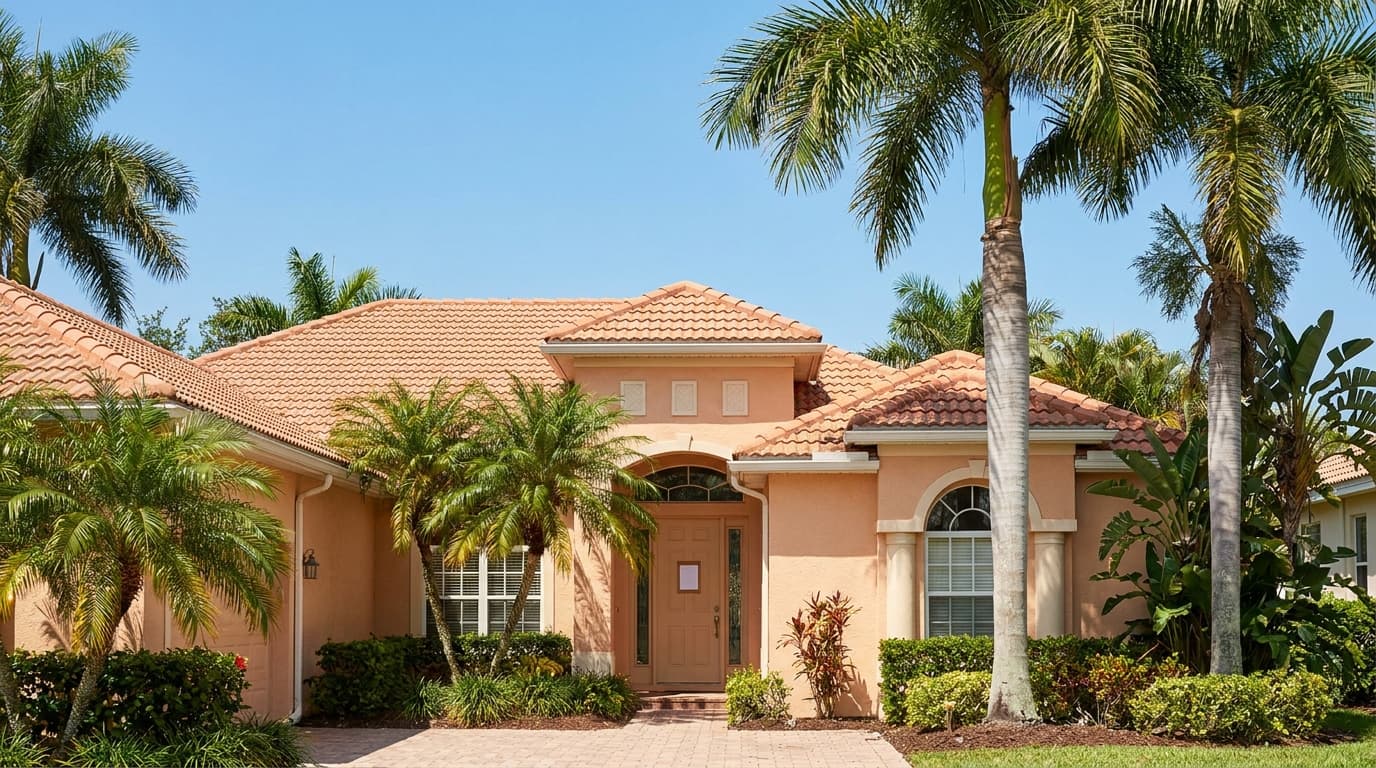

If you've received a notice of violation from Seminole County Code Enforcement, you're not alone—and you're not without options. Unpermitted work violations are one of the most common enforcement issues homeowners face in Central Florida, particularly when work was done by contractors without proper permits, or when homeowners tackled DIY projects without understanding local requirements. The good news: most violations can be resolved systematically. The challenge: it requires knowing exactly what Seminole County building and zoning codes require, understanding your rights, and taking deliberate action within specific timelines.
This guide walks you through the complete process of resolving an unpermitted work violation in Seminole County—from understanding what triggered the notice, to working directly with the county, to bringing your property into compliance. We'll cover real-world strategies used by homeowners and contractors across Seminole County to resolve violations quickly and cost-effectively.
Understanding the Unpermitted Work Violation in Seminole County
What Triggers an Unpermitted Work Violation?
An unpermitted work violation in Seminole County occurs when construction, renovation, or alteration work is performed on a residential or commercial property without obtaining the required permits from the Seminole County Building Department or the applicable city (Altamonte Springs, Casselberry, Lake Mary, Longwood, Oviedo, Sanford, Winter Park, or Winter Springs).
Common scenarios that trigger violations include:
Under Florida Statute 553 (the Florida Building Code), all construction work of any kind—whether by a contractor or homeowner—requires a permit from the local building authority before work begins. Inspections must be requested and passed at each phase (framing, electrical, plumbing, final). Failing to obtain permits is a violation of state law and local code.
Warning: Don't ignore the notice. Seminole County Code Enforcement can escalate violations to include daily fines, property liens, and even criminal charges if the violation is deemed willful or egregious. The longer you wait, the more expensive resolution becomes.
How Code Enforcement Found the Violation
Seminole County Code Enforcement discovers unpermitted work through:
Once a violation is reported, an inspector is assigned. You'll receive a Notice of Violation (NOV) either by certified mail or in-person posting on your property. This notice specifies:
Watch Related Videos on YouTube
unpermitted work violation Seminole County Florida how to fix guide
Step 1: Don't Panic — Understand Your Options
When you receive a Notice of Violation, you have four primary paths forward:
Option A: Request a Hearing (Appeal the Violation)
You can formally dispute the violation by requesting a Code Enforcement Hearing within 15 days of the notice. This is appropriate if:
Contact the Seminole County Division of Environmental Services at (407) 665-7269 and request a Code Enforcement Hearing. Provide your case number (from the NOV) and request a hearing before the Code Enforcement Officer or the Code Enforcement Board (depending on Seminole County's procedures).
You'll present your case; the county presents theirs. A decision is issued. This process typically takes 30–60 days.
Option B: Request a Variance or Exception
If the work itself is sound but doesn't comply with zoning or setback requirements, you may request a variance from the county's zoning authority or a special exception. Examples:
This option requires an application, hearing before the Zoning Board of Adjustment, and typically costs $500–$2,000 and takes 60–90 days.
Option C: Cure the Violation (Bring Work Into Compliance)
This is the most common and fastest path. You take corrective action to make the work comply with code. Steps:
Typical timeline: 45–90 days (faster for simple work, longer for complex).
Option D: Demolition or Removal
If the work cannot be brought into compliance, you may be required to remove it entirely—or choose to do so to resolve the violation quickly. Example: an unpermitted addition that cannot meet setback requirements may need to be demolished.
Tip: Most violations resolve through Option C (curing). It's the straightforward path and demonstrates good faith to the county.
Step 2: Contact Seminole County Code Enforcement and Get Full Details
Your next move is to understand exactly what must be done to resolve the violation. Don't rely on the notice alone—call your assigned code enforcement officer.
Seminole County Code Enforcement Contact:Ask for written documentation. Verbal guidance isn't enough. You want email confirmation of requirements so you have proof of the path forward.
Step 3: Determine If You Need a Contractor or Can DIY
Depending on the type of work, you may be required to hire a licensed contractor, or you may perform corrective work yourself (as the homeowner).
Work Requiring Licensed Contractors
Under Florida Statute 489, certain trades require licensure:
| Work Type | License Required | Homeowner Can DIY? |
|---|---|---|
| Electrical (new circuits, panels, major rewiring) | Yes (EC – Electrical Contractor) | No |
| Plumbing (water lines, drain lines, fixtures) | Yes (CFC – Certified Plumbing Contractor) | Limited (homeowner exception exists but complex) |
| HVAC (heating, cooling, refrigeration) | Yes (CAC – Certified HVAC Contractor) | No |
| Roofing | Yes (Roofing Contractor) | Limited |
| Structural/framing (load-bearing walls) | General Contractor or Engineer | No |
| Pool/spa installation | Certified Pool Contractor | No |
| Fire suppression systems | Licensed Contractor | No |
| Gas line work | Licensed Contractor | No |
Work You Can Often Do Yourself
Critical: If electrical, plumbing, or HVAC work is involved, you almost certainly need a licensed contractor. Hiring one protects you legally and ensures code compliance.
Finding a Trusted Contractor in Seminole County
When you need a licensed contractor to help cure a violation:
Step 4: Pull the Retroactive Permit
Once you've determined what work is needed to cure the violation, you must obtain a retroactive (or "after-the-fact") permit from Seminole County Building Department or the applicable city.
Where to Pull Permits in Seminole County
Unincorporated Seminole County:The Retroactive Permit Process
Step 5: Pass Required Inspections
Once your retroactive permit is issued, inspectors will examine the unpermitted work to verify it meets current Florida Building Code (Florida Statute 553) and Seminole County amendments.
Standard Inspection Sequence
| Inspection Type | When Scheduled | What's Inspected |
|---|---|---|
| Framing | After structural work is visible | Load-bearing changes, connections, materials |
| Electrical | After wiring is in place, before walls closed | Wire gauge, panel upgrades, circuit protection, grounding |
| Plumbing | After lines are run, before walls closed | Water supply lines, drain slope, vent stacks, connections |
| Mechanical (HVAC) | After units are installed | Ductwork, clearances, refrigerant lines, permits |
| Final | After all corrective work is complete | Overall compliance, code adherence, permits satisfied |
How to Schedule Inspections
Contact the building department and request each inspection via phone, online portal, or in-person. Most counties allow scheduling 1–2 business days in advance. You must be present or arrange for the homeowner/contractor to be there when the inspector arrives (usually morning hours, 7 AM–12 PM).
What If Work Fails Inspection?
If the inspector identifies deficiencies, you'll receive a list of corrections needed. Common reasons for failures:
Make corrections and reschedule the inspection. Most counties allow unlimited re-inspections at no additional cost. Timeframe for corrections: typically 10–30 days per the county's guidelines.
Step 6: Work With Your Code Enforcement Officer to Document Compliance
Once all inspections pass, you're technically in compliance with building code. Now you need to formally notify code enforcement and request dismissal of the violation.
Steps to Close the Violation
- Your case number
- The address
- A copy of the final inspection approval
- Any other relevant documents (permit, receipts, invoices)
What Happens If Compliance Isn't Reached?
If, after a reasonable effort, you cannot bring the work into full compliance (e.g., it violates setback zoning codes), the county may:
Your code enforcement officer will clarify which path applies to your situation.
Step 7: Understand Fines, Liens, and Escalation
Unpermitted work violations in Seminole County carry financial and legal consequences if not resolved within required timeframes.
Daily Fines
Seminole County Code Enforcement can assess daily fines for code violations. Typical amounts:
Fines accrue daily from the notice date until the violation is cured or dismissed. A 60-day delay can result in $1,500–$30,000 in fines alone.
Property Liens
If fines accumulate and you don't respond, Seminole County can:
Criminal Charges
Wilful or egregious violations (e.g., continuing unpermitted work after multiple warnings, hiring unlicensed contractors knowingly) can result in:
Action: Don't wait. Start the resolution process immediately. Fines and escalation compound quickly. A violation resolved in 45 days is far cheaper and less stressful than one dragged out over 6+ months.
Step 8: Prevent Future Violations — Homeowner Best Practices
Once your violation is resolved, protect yourself going forward:
- Even if "minor" (electrical outlets, water heater, fence), permits protect you.
- Permits cost $50–$200 but save you thousands if an issue arises.
- Verify licensure on myfloridalicense.com before hiring.
- Get written contracts specifying that the contractor is responsible for permits and inspections.
- Don't pay contractors their final invoice until you see final inspection approval from the county.
- Save all permits, invoices, inspection reports, and correspondence.
- These protect you if a future buyer questions the work.
- After work is complete and inspected, ask the building department for a copy of your permit card.
- This serves as proof of permitted and inspected work.
- If you previously had unpermitted work resolved, disclose it to your real estate agent and buyers during sale.
- A clean resolution with permits and inspections is far better than a hidden violation discovered during title work.
Seminole County Code Enforcement Resources
Keep these contacts and resources handy:
| Resource | Contact | Purpose |
|---|---|---|
| Code Enforcement Division | (407) 665-7269 | Violations, NOVs, compliance questions |
| Building Department | (407) 665-7278 | Permits, inspections, building code questions |
| Zoning Department | (407) 665-7000 | Zoning requirements, variances, setbacks |
| DBPR License Lookup | myfloridalicense.com | Verify contractor licensure |
| Seminole County Property Appraiser | seminolecountypa.org | Property records, prior permits |
| County Online Services | seminolecountyfl.gov | Permits, codes, ordinances |
County-Specific Codes and Amendments
Seminole County follows the 2022 Florida Building Code (adopted from the International Building Code) with local amendments. Key sections relevant to unpermitted work violations:
Read these ordinances at seminolecountyfl.gov/CodeEnforcement for specific requirements.
FAQ: Unpermitted Work Violations in Seminole County
Q: How long do I have to respond to a Notice of Violation?
A: The standard timeframe is 15 days to request a hearing or 30 days to cure the violation. Check your NOV for the exact deadline. These deadlines are firm; missing them can result in automatic fines or escalation.
Q: Can I request an extension if I need more time?
A: Sometimes, yes. Contact your code enforcement officer before the deadline and request a written extension. Explain your situation (contractor availability, permit delays, etc.). Many officers will grant 15–30 day extensions if you're acting in good faith.
Q: What if the contractor who did the unpermitted work won't help me fix it?
A: You are now responsible for curing the violation. Even if a contractor performed the work, the property owner must bring it into compliance. You can sue the contractor for breach of contract or negligence, but that's a separate legal matter. For code compliance, hire a new contractor or tackle it yourself (if allowed). Document everything you spent on fixing the violation; you may recover those costs in a lawsuit.
Q: Will an unpermitted work violation affect my home insurance?
A: Possibly. Some insurance companies investigate violations during policy review. If they discover unpermitted work, they may:
Resolving violations quickly with permits and inspections protects your coverage and property value.
Q: How much will it cost to resolve my violation?
A: Costs vary widely:
Request quotes from licensed contractors upfront. Ask specifically for "cost to cure unpermitted work violation."
Q: Can I sell my home with an unresolved code violation?
A: No. Title searches will reveal code enforcement liens. Lenders won't finance a property with active violations. Buyers won't purchase. You must resolve the violation before selling. This is why acting quickly is critical—it's a showstopper for any sale.
Q: What if I inherited the home with unpermitted work from a previous owner?
A: You inherit the liability. Even if you didn't do the work, you now own the property and must cure violations. You may have a legal claim against the previous owner's estate or title company for non-disclosure, but that's a separate matter. For code compliance, follow the steps in this guide.
Q: Can code enforcement officers enter my home without permission?
A: Generally, yes—with a warrant or if there's imminent danger. Code enforcement is a government function. You can request they obtain a warrant if you want to prevent entry, but this will likely slow the process and signal you're uncooperative (which can escalate the case). It's best to cooperate, be professional, and work toward resolution.
Q: What if I believe the violation notice is wrong or the work was permitted before?
A: Request a Code Enforcement Hearing within 15 days. Bring proof (old permits, receipts, photos, documentation from prior permit records). The hearing officer will review and make a determination. This is your formal dispute mechanism.
Q: Can I get a variance instead of fixing the unpermitted work?
A: Only if the issue is zoning-related (setback, height, land use). If the work violates structural, electrical, plumbing, or safety codes, no variance will help—it must be corrected or removed. Consult your code enforcement officer about whether a variance applies to your situation.
Q: How do I find my property appraiser ID or lot number for the permit application?
A: Visit the Seminole County Property Appraiser website (seminolecountypa.org), search your address, and you'll find the parcel number. Use this on your permit application.
Q: What if my contractor says they'll handle everything and the violation still isn't resolved?
A: Hold your contractor accountable. Get everything in writing—the permit number, inspection dates, and a timeline for completion. If they're not delivering, find a new contractor immediately. You are ultimately responsible for compliance; don't rely solely on a contractor to see it through.
Get a County-Specific Action Plan at HomeProBadge
Navigating unpermitted work violations in Seminole County is stressful, but you don't have to do it alone. If you're feeling overwhelmed by the steps, the county contacts, or the specific requirements for your violation, HomeProBadge offers AI-generated, county-specific Permit Violation Action Plans tailored to Seminole County code.
Here's how it works:
- Step-by-step instructions for your violation type
- Estimated timeline and costs
- Recommended next steps
- County contact information and resources
- Contractor vetting tips
You'll also have access to HomeProBadge's verified contractor directory—background-checked, identity-verified service professionals in Seminole County ready to help cure violations. This saves you hours of vetting and gives you peace of mind that you're hiring qualified professionals.
Your violation resolution checklist:Questions? Contact Seminole County Code Enforcement at (407) 665-7269, or start your action plan at HomeProBadge.com.