

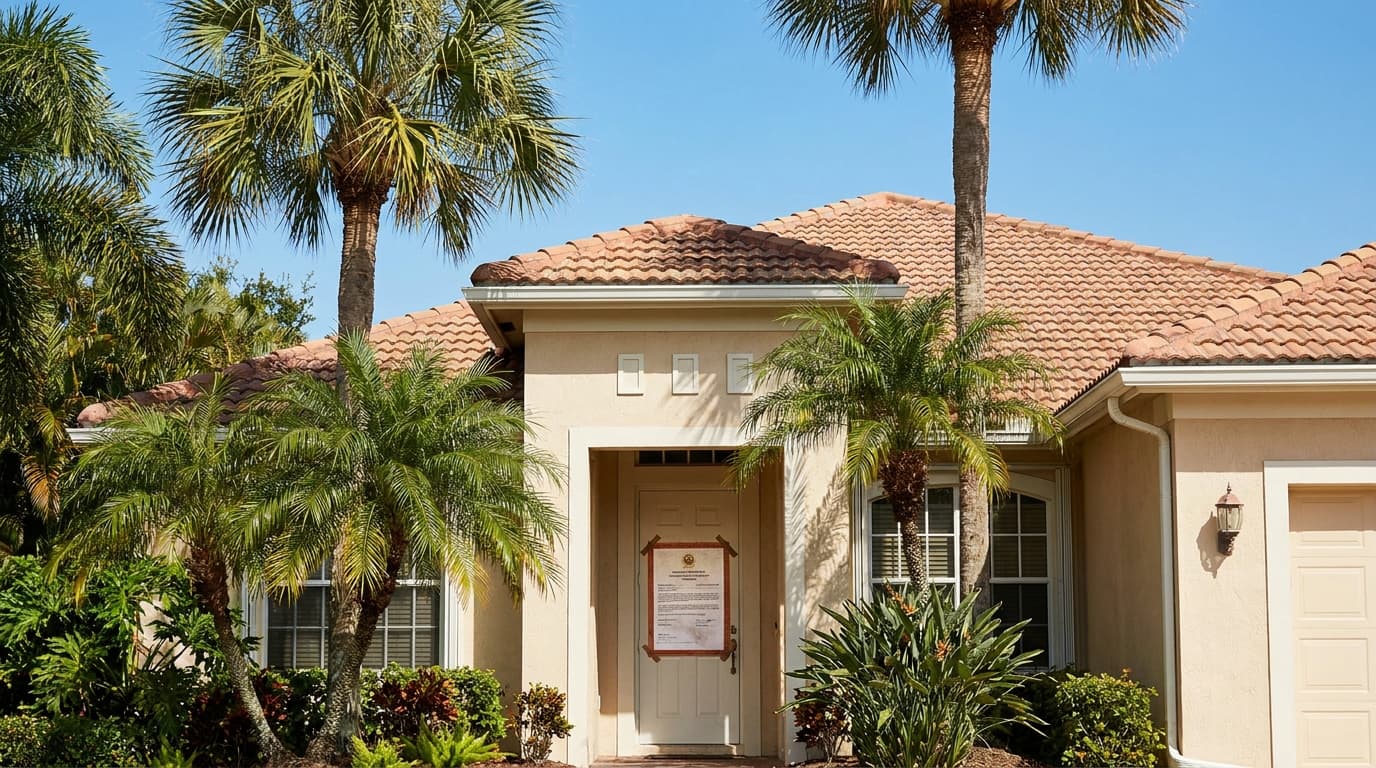

If you've received a code enforcement notice about unpermitted work on your Nassau County property, you're likely experiencing a mix of stress, confusion, and maybe a little defensiveness. You might be thinking: "I didn't know I needed a permit" or "The contractor said they'd handle it." Whatever the circumstances, the good news is that unpermitted work violations are resolvable—but they require swift, strategic action.
Nassau County, Florida takes building code compliance seriously. The county enforces Florida Statute 553 (Florida Building Code) and local ordinances through its Division of Building Services and Code Enforcement. An unpermitted work violation isn't a criminal charge—it's a civil code enforcement matter. That means there's a defined process to bring your property into compliance, and understanding that process is your first step toward resolution.
In this guide, I'll walk you through exactly what to do after receiving a violation notice, how Nassau County's enforcement process works, and the concrete steps to get your property back in good standing.
Understanding What "Unpermitted Work" Means in Nassau County
What Work Requires a Permit?
Before diving into resolution steps, let's clarify what triggers the violation in the first place. Not all home improvements require permits—minor repairs and cosmetic work typically don't. But many projects do.
Work that requires a building permit in Nassau County includes:
Work that typically does NOT require a permit:
The critical distinction: if the work affected building structure, safety systems (electrical, plumbing, HVAC), or permanent fixtures, it almost certainly needed a permit.
Why Permits Matter (Beyond Avoiding Violations)
Permits exist for one reason: public safety. Unpermitted work can hide defects—improper electrical installation, inadequate structural support, or plumbing issues that create health hazards. When code enforcement discovers unpermitted work, they're not trying to be punitive; they're ensuring the work meets Florida Building Code standards.
Unpermitted work also impacts:
Step 1: Stop Work Immediately and Review Your Violation Notice
When you receive a code enforcement notice in Nassau County, it will typically include:
Action item: Do not ignore this notice. Ignoring code enforcement violations is the fastest path to daily fines and legal complications. The clock is ticking from the moment you receive it.
Read Every Word Carefully
I cannot stress this enough: carefully review the violation notice. Identify:
If there's an error in the notice (wrong address, wrong violation description), document it and prepare to contest it in writing. But if the violation is accurate, move forward with resolution.
Request a Code Enforcement Inspection (If Needed)
If you're unclear about whether work on your property is actually unpermitted, or if there's been a contractor claim that permits were filed, contact Nassau County Building Services at (904) 548-7900 or visit the county's online permit search. You can verify whether permits exist for your property.
If a permit search is inconclusive, request a formal code enforcement inspection. This creates an official record of the violation and gives you clarity on what needs to be remedied.
Watch Related Videos on YouTube
unpermitted work violation Nassau County Florida how to fix guide
Step 2: Understand Your Resolution Options
You have three primary pathways to resolve an unpermitted work violation in Nassau County:
Option A: Obtain a Legalization Permit
A legalization permit (also called a "Certificate of Use and Occupancy" or remedial permit) allows you to bring unpermitted work into compliance with current building codes. Here's how it works:
Legalization Permit Process:Option B: Obtain a Demolition Permit and Remove the Work
If the unpermitted work cannot be brought into compliance (it's unsafe, doesn't meet current code, or remediation is cost-prohibitive), you can legally demolish it.
Demolition Permit Process:Option C: Apply for a Variance or Conditional Use Permit
In rare cases, if code-compliant remediation is impossible or economically infeasible, you may apply for a variance from Nassau County's Board of Adjustment. This is a legal exception to zoning or building code requirements.
Variance Permit Process:Warning: Do not pursue a variance without professional guidance. Poorly prepared variance applications are almost always denied, wasting time and money.
Comparison Table: Resolution Options
| Resolution Option | Cost | Timeline | Outcome | Best For |
|---|---|---|---|---|
| Legalization Permit | $500–$5,000 | 4–12 weeks | Work becomes code-compliant | Sound work that meets or can meet code |
| Demolition Permit | $1,000–$10,000+ | 3–8 weeks | Work is safely removed | Unsafe work or remediation too costly |
| Variance/Exception | $500–$3,000+ | 8–16 weeks | Legal exception to code (rare) | Extreme hardship; last resort |
| Ignore Notice | $0 (initially) | Ongoing | Daily fines, lien, forced demolition | Not recommended (catastrophic) |
Step 3: Hire the Right Professional
You cannot resolve an unpermitted work violation alone. You need a licensed contractor, engineer, or code compliance professional.
Who Should You Hire?
For legalization permits:Red Flags When Hiring
Verify Credentials
Before hiring, verify:
HomeProBadge's Verified Contractor Directory includes identity-verified and background-checked home service professionals in Nassau County. You can search by trade, view their portfolios, and see ratings from past clients. This is a quick way to vet professionals who have a proven track record in your area.
Step 4: Document Everything and Communicate with Code Enforcement
Once you've hired a professional, document every step. Code enforcement in Nassau County will want to see:
Communicate Proactively
Contact your code enforcement officer in writing (email is fine, but also send a copy via certified mail). Include:
"I received your code enforcement notice regarding unpermitted work at [address] on [date]. I am taking immediate action to resolve this. I have contracted with [licensed contractor name, license # XXXXX] to file a legalization permit by [date]. I will provide updates as the process progresses. Please contact [your name/contractor name] at [phone] with any questions."
Pro tip: Send correspondence via email AND certified mail. Keep copies of everything. This creates a paper trail showing good-faith compliance efforts, which can matter if enforcement action escalates.
Step 5: File the Appropriate Permit Application
Once your hired professional has inspected the work, the next step is filing the permit application (legalization or demolition).
Filing a Legalization Permit Application in Nassau County
Location: Nassau County Building Services Address: 96135 Nassau Place, Fernandina Beach, FL 32034 Phone: (904) 548-7900 Online Submission: Some applications can be filed through the county's PermitHub portal What You'll Need:Once submitted, the county has 10–20 business days to review. They may:
Expect at least one round of revisions or requested information. This is normal.
Filing a Demolition Permit Application
Process:Step 6: Pass Inspections and Obtain Certificate of Compliance
Once your legalization permit is approved, Nassau County Building Services will schedule inspections. For most unpermitted work, you'll need:
For structural work or additions, you may need:
Your contractor will schedule these. Inspections typically take 24–48 hours to arrange. The inspector will verify that the work meets Florida Building Code standards (Florida Statute 553).
If an Inspection Fails
If the inspector identifies code violations during inspection, you'll receive a written report listing required corrections. Your contractor makes corrections and you request a re-inspection. Most re-inspections happen within 7–10 days.
Certificate of Compliance
Once all inspections pass, Nassau County issues a Certificate of Compliance or Certificate of Use and Occupancy. This is the official document proving the unpermitted work is now code-compliant. Keep this permanently—you'll need it if you ever sell the property or refinance your mortgage.
Step 7: Resolve Any Financial or Lien Issues
Code Enforcement Fines
If you've received fines during the resolution process, they typically stop accruing once you've filed a compliant permit application (legalization or demolition). Verify this in writing with code enforcement.
Sample fines:Code Enforcement Liens
If code enforcement has placed a lien on your property for unpaid fines, you must satisfy the lien to clear title. Typically:
If you cannot pay fines, discuss a payment plan with code enforcement. Some municipalities allow installment agreements for violations resolved through legalization.
Understanding Florida Building Code Requirements
Nassau County enforces the Florida Building Code (Florida Statute 553). Key sections that apply to most unpermitted work:
When filing legalization permits, ensure work complies with these standards. Your contractor/engineer should handle this, but understanding what code applies helps you ask informed questions.
What NOT to Do When Facing a Violation
Critical mistakes:
1. Ignoring the notice – Fines escalate daily; property can be placed in lien status
2. Hiring unlicensed contractors – Complicates legalization; violations compound
3. Attempting DIY remediation – Code enforcement requires licensed professionals
4. Trying to hide or cover the work – Discovered during future inspections; worsens penalties
5. Selling the property without disclosure – Illegal in Florida; creates massive liability for buyers
None of these strategies work. The violation will remain on record until officially resolved through legalization, demolition, or variance.
Timeline Expectations
Best-case scenario (straightforward legalization):FAQ: Unpermitted Work Violations in Nassau County
Q: Will I have to pay for all inspections myself?
A: Yes. Inspection fees are typically $50–$150 per inspection, paid to Nassau County. Your contractor usually handles scheduling and payment. Budget for 2–6 inspections depending on work type.Q: Can I sell my home with unpermitted work if I disclose it?
A: Legally, yes—Florida requires disclosure. However, most buyers will require legalization permits before closing, and lenders will not finance properties with unpermitted structural work. You'll likely need to resolve the violation before selling, or offer a credit to the buyer for legalization costs.Q: What if the contractor who did the unpermitted work is unreachable?
A: You're responsible for resolving it regardless. Hire a new, licensed contractor to handle the legalization or demolition. You may be able to pursue legal action against the original contractor separately, but don't let that delay code compliance.Q: Will legalization affect my homeowners insurance?
A: Not negatively. Once legalized and code-compliant, insurance companies treat it as permitted work. Before legalization, insurers may deny claims related to unpermitted work.Q: Can I appeal a code enforcement violation?
A: Yes. You have the right to request a hearing before the Code Enforcement Board. However, appeals are typically based on procedural errors in the notice, not the existence of the violation itself. Consult an attorney if you believe the notice has procedural defects.Q: How long does unpermitted work remain a violation if unresolved?
A: Indefinitely. Code enforcement violations don't expire. If you sell, refinance, or apply for permits on the same property, the violation resurfaces. The only solution is legalization or demolition.Q: What if I've already paid fines but never fixed the violation?
A: Fines are separate from compliance. Paying fines does not resolve the violation. You still need a legalization permit or demolition permit to bring the property into code compliance. Once resolved, future fines stop accruing.Q: Does Nassau County offer any amnesty programs for old unpermitted work?
A: Not formally, but code enforcement may be lenient if you proactively initiate legalization before they discover the violation. Reach out to your local code enforcement office to discuss options.Q: How much will legalization cost in total?
A: This varies widely:Get quotes from at least 2–3 contractors before proceeding.
Q: If I obtain a legalization permit, do I need to pay back taxes on the added property value?
A: This depends on Nassau County Property Appraiser's policies. Generally, legalization does not trigger a reassessment, but once the work is official record, the appraiser may adjust your home value in the next assessment cycle. Consult the Nassau County Property Appraiser's office for specifics.Get Professional Help: Permit Violation Action Plans from HomeProBadge
Navigating an unpermitted work violation in Nassau County requires detailed knowledge of local codes, enforcement timelines, and the permit process. While this guide provides the roadmap, every situation has unique variables—property type, work scope, contractor availability, and enforcement history.
That's where HomeProBadge comes in.HomeProBadge offers county-specific Permit Violation Action Plans generated for Nassau County homeowners. Here's what you get:
Instead of scrambling to research each step independently, you get a complete roadmap in hours, not weeks.
How to get started:HomeProBadge also maintains a Verified Contractor Directory searchable by county and trade. Every contractor is identity-verified and background-checked. You can view their portfolios, job reviews, and trust scores—helping you hire the right person to resolve your violation without risking further complications.
Final Thoughts
An unpermitted work violation is stressful, but it's not catastrophic if you act promptly. Nassau County's code enforcement process is designed to bring properties into compliance, not to punish homeowners. Your job is to:
Within 2–5 months, your property can be fully code-compliant, your liability reduced, and your ability to sell or refinance restored.
If you need guidance specific to your situation, start with HomeProBadge's Permit Violation Action Plan. It will save you time, reduce stress, and connect you with trustworthy contractors who can actually execute the solution.
Your violation is solvable. Start today.