

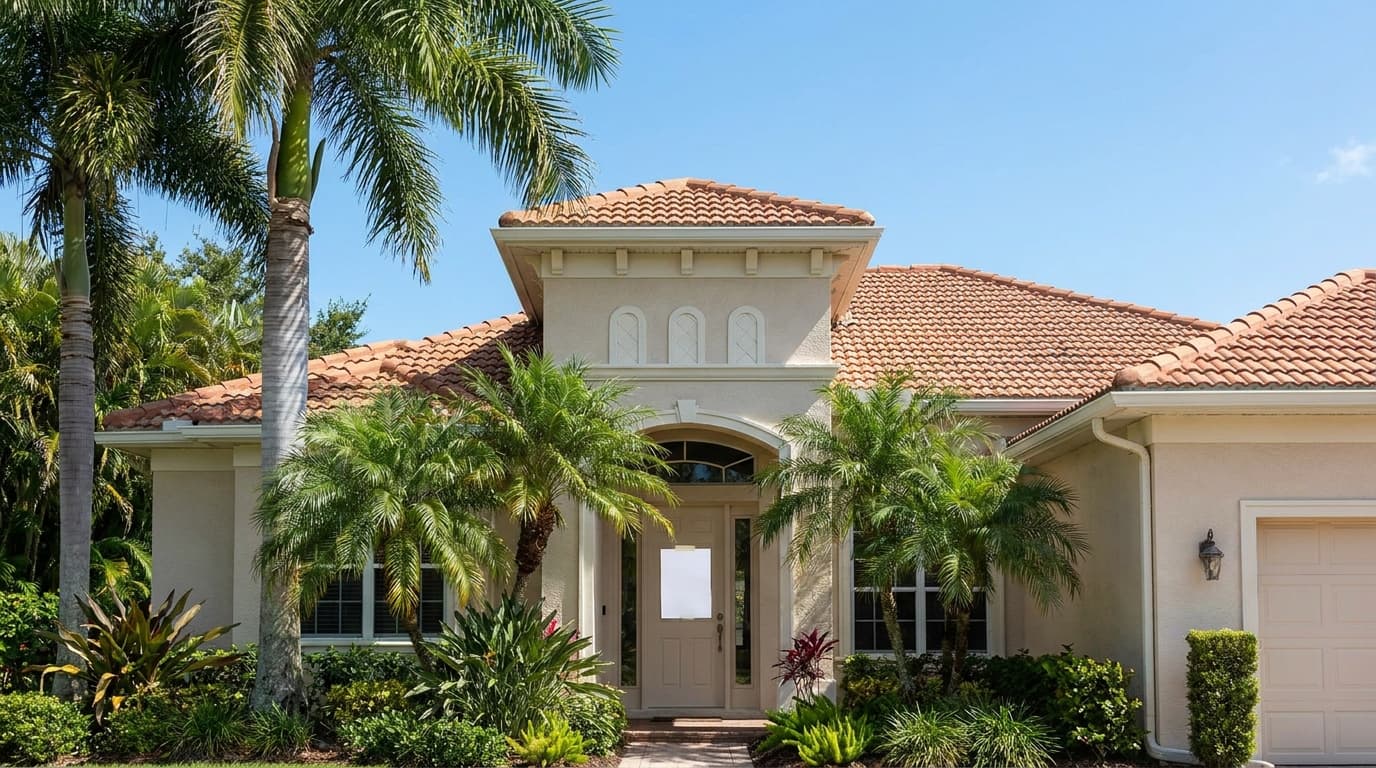

You just received a pink notice on your door from Palm Beach County Code Enforcement. Your heart sank. You either didn't know you needed a permit, thought you had one, or hired someone who cut corners. Now you're facing fines, work stoppages, and uncertainty about what comes next.
Take a breath. Permit violations in Palm Beach County are serious, but they're also fixable—and you're not alone. Thousands of Florida homeowners face code enforcement notices every year. The key is understanding what you're up against, the timeline you're working with, and the fastest legitimate path to resolution.
This guide walks you through Palm Beach County's permit violation system, the fines you're facing, the legal deadlines that matter, and exactly what steps to take next. Whether your violation is electrical, plumbing, roofing, or structural, the process is similar—and knowing it puts you back in control.
What Counts as a Permit Violation in Palm Beach County?
A permit violation in Palm Beach County occurs when work is performed on a residential or commercial property without obtaining the required building permit from the county's Department of Building, Construction, and Zoning (or approved equivalent contractor work). Florida Statute 553 sets the statewide building code standards, and Palm Beach County enforces these standards locally.
Common violations include:
The violation doesn't have to be intentional to result in fines. Many homeowners thought they were complying or hired contractors who misled them about permit requirements. Ignorance doesn't eliminate liability, but it does matter when you're working on resolution.
Understanding Palm Beach County Permit Violation Fines
Fines are the most immediate concern for homeowners facing code enforcement. In Palm Beach County, fines are structured to incentivize compliance—and they escalate quickly if ignored.
Daily Fine Amounts
Palm Beach County's code enforcement ordinance (typically Chapter 4 of the County Code) allows for daily fines ranging from $100 to $500 per day for active violations. The exact amount depends on:
A violation issued on January 1st that remains uncured by January 31st doesn't just result in a one-time $3,000–$15,000 fine. The county can continue to issue daily citations. Some homeowners have seen violations accumulate $10,000–$20,000+ in fines within 2–3 months of notice.
Lien Authority
If fines remain unpaid, Palm Beach County can place a code enforcement lien on your property. This lien:
Warning: A code enforcement lien doesn't just hurt your wallet—it clouds your title and complicates every real estate transaction. Ignoring a violation notice is the most expensive choice you can make.
Administrative Civil Citation Option
Some violations qualify for an administrative civil citation, which is a one-time fine (typically $250–$500) rather than escalating daily fines. This is faster to resolve but requires prompt action and agreement from the county.
Palm Beach County Permit Violation Timelines: What You Need to Know
Timelines are critical. Missing a deadline doesn't just mean additional fines—it moves your case to enforcement, liens, and potentially legal proceedings. Here's how the process works:
Initial Notice (Day 1)
You receive a Notice of Violation (the pink notice) from Palm Beach County Code Enforcement. This notice includes:
Corrective Action Period (Days 1–30)
From the day you receive the notice, you have a set window (usually 30 days) to:
This is your opportunity window. Taking action immediately reduces fines, shows good faith, and prevents escalation.
Extension Requests (Optional)
If you can't complete corrective action in 30 days (common for roofing or structural work), you can request an extension. Extensions are usually granted if you submit them before the original deadline and demonstrate active corrective progress. Extensions typically add 30–60 days.
Tip: Contact your code enforcement officer within 7 days of receiving the notice and ask for an extension as you gather permits and contractors. Most officers will grant 30–60 days if you're clearly acting in good faith.
Failure to Cure (Day 31+)
If the violation isn't cured by the deadline and no extension is in place, the case escalates:
Code Enforcement Board Hearing
If your case reaches this stage, you'll have a hearing before the Code Enforcement Board (or Special Magistrate, depending on severity). At this hearing, you can:
Having documented corrective action (permits, invoices, inspection photos) is critical at this stage.
Watch Related Videos on YouTube
Palm Beach County permit violation fines Florida how to fix guide
How Permit Violations Affect Your Property, Insurance & Sales
Beyond fines, permit violations create cascading problems:
Title and Property Sales
When you sell your home, the title search reveals code enforcement liens. Most buyers will:
Some violations—particularly structural or electrical work—can prevent sale entirely until resolved.
Homeowners Insurance
Insurance companies may:
An unpermitted roof replacement, for example, might mean your insurer won't cover wind or hail damage on that roof.
Home Equity Lines of Credit (HELOC) and Refinancing
Lenders perform title searches. A code enforcement lien makes you ineligible for new financing until it's resolved.
Subsequent Inspections and Appraisals
If you're applying for a HELOC, refinance, or selling, the lender's appraiser will likely identify unpermitted work. This creates additional holdups and can result in the work needing to be brought to code before approval.
Your Options: 5 Legal Paths to Resolution
Once you receive a violation notice, you have several options. The path you choose depends on your situation, budget, and timeline.
Option 1: Retroactive Permitting (The Standard Path)
Retroactive permitting means you obtain a permit after the work is already completed. This is the most common and legitimate way to cure a violation.
How it works:Option 2: Correction by Licensed Contractor
If the work doesn't meet code, you'll need to hire a licensed contractor to fix it to code standards.
How it works:Option 3: Variance or Exception Request
In rare cases, if the work is compliant but didn't follow permit procedures, you can request a variance or exception from the county. This is uncommon and typically only works if code truly doesn't apply.
Timeline: 30–60 days. Best for: Rare edge cases; usually not effective unless you have a building code professional arguing your case.Option 4: Code Enforcement Board Appeal
If you believe the violation notice was issued in error or the work actually complies, you can formally appeal at the Code Enforcement Board hearing.
Timeline: Hearing scheduled 15–30 days after request. Cost: Minimal (filing fee ~$50–$100). Best for: Cases where you believe the violation was misidentified or work was already permitted but records are lost.Option 5: Settlement / Payment Plan
If cost is the barrier, you can request a payment plan for fines or negotiate a reduced fine in exchange for corrective action proof.
How it works:The Retroactive Permit Process: Step-by-Step
Retroactive permitting is the fastest path for most violations. Here's exactly how to do it:
Step 1: Document What Was Done
Gather photos, invoices, contractor information, and any records of the work performed. The county will want to understand:
Step 2: Hire a Licensed Contractor or PE
For most violations, contact a licensed contractor in the relevant trade (electrician, plumber, roofer, etc.). Some violations require a Professional Engineer (PE) to certify the work meets code.
For Palm Beach County, you can find licensed contractors through:
Look for contractors with experience filing violation permits. Many are familiar with Palm Beach County's process.
Step 3: Meet with the Contractor / Engineer
The contractor or PE will:
Step 4: File the Violation Permit
The contractor or property owner files the permit application with Palm Beach County. Application includes:
Permit fees are calculated as:
Permit Fee = Estimated Project Cost × Fee Rate (typically $0.80–$1.50 per $100)Example: $5,000 roof work = $40–$75 permit fee plus inspection fees.
Step 5: Schedule and Pass Inspections
Once the permit is issued, a county inspector will schedule a site visit. The inspector will:
If work passes, the permit is "Approved as Constructed" and your violation is cured.
If work fails, you'll receive a punch list of items to correct before final approval.
Step 6: Get Sign-Off from Code Enforcement
Once the permit is finalized, notify your code enforcement officer. They'll verify the violation is resolved and close the case.
Important: Some violations require the code enforcement officer to formally inspect and approve. Confirm this with your officer during the process.Florida Statute 553 and Palm Beach County Building Code Requirements
All unpermitted work in Palm Beach County must ultimately comply with:
When filing a retroactive permit, you're essentially certifying that work meets these standards. For most common residential work (electrical, plumbing, roofing, HVAC), compliance is straightforward. For structural work, additions, or other complex projects, a Professional Engineer may be required.
Common Pitfalls and How to Avoid Them
Pitfall 1: Ignoring the Notice
What happens: Fines accrue daily. Lien is placed. Property becomes unsellable. Fix: Respond within 7 days. Call your code enforcement officer and outline your action plan.Pitfall 2: Waiting Too Long to Act
What happens: Extensions expire. Fines compound. Case escalates to Code Enforcement Board. Fix: File for a violation permit within 15 days of receiving the notice. This shows good faith and often results in fine reductions or waivers.Pitfall 3: Hiring Unlicensed Contractors for Corrective Work
What happens: Work still doesn't meet code. You're back where you started, plus out money. Fix: Always verify contractor licensing with Florida DBPR before hiring. Check HomeProBadge's verified directory for vetted contractors.Pitfall 4: Not Documenting Everything
What happens: County disputes your corrective claims. Process stalls. Fix: Keep every receipt, photo, email, and inspection report. Organize by date. Share proactively with your code enforcement officer.Pitfall 5: Trying to Appeal a Legitimate Violation
What happens: Appeal is denied. More fines accrue. Credibility is damaged. Fix: Be honest about the work. If it was done, retroactive permitting is the fastest path. Appeals work only if the violation was truly misidentified.Costs: What to Budget for Resolution
Resolution costs vary widely based on violation type and scope. Here's a realistic breakdown:
| Cost Item | Range | Notes |
|---|---|---|
| Retroactive Permit Fee | $50–$500 | Typically $0.80–$1.50 per $100 of project cost |
| Professional Engineer (if required) | $200–$1,500 | For structural, complex, or out-of-code work |
| Corrective Work (if needed) | $500–$15,000+ | If original work doesn't meet code; varies by trade |
| Code Enforcement Officer Inspection | $100–$300 | Sometimes waived; sometimes included in permit |
| Contractor Labor (permit filing) | $200–$800 | For contractor to manage permit process |
| Typical Total (straightforward case) | $500–$2,500 | Most residential violations |
| Typical Total (corrective work needed) | $2,000–$10,000+ | If work must be redone |
Early action saves money.
Working with Your Code Enforcement Officer
Your assigned code enforcement officer is your ally, not your enemy. Their job is to ensure code compliance—not to punish you. Here's how to build a productive relationship:
Initial Contact (Within 7 Days of Notice)
Keep Them Updated
Be Transparent
Request Fine Reductions
If you're actively pursuing corrective action, ask the officer or supervisor to recommend a fine reduction or waiver. Many counties will reduce fines 50%+ if corrective action is underway.
Special Situations
Violations from Prior Homeowners
If you bought a property with an existing violation:
Violations in HOA Communities
If your home is in an HOA:
Multi-Unit or Commercial Properties
Commercial violations follow the same process but often:
The Next Step: Get a County-Specific Action Plan
Every violation is unique. Your best path forward depends on:
Instead of navigating this alone, use HomeProBadge's Permit Violation Action Plan. It's:
Instead of making decisions in stress and uncertainty, a formal action plan provides clarity, timeline, and confidence.
How to Get Your Action Plan
- Exact Palm Beach County permit process and fees
- Recommended contractor types and specialties
- Inspection requirements and timeline
- Fine and lien implications if not resolved
- Template emails to send your code enforcement officer
The action plan takes the guesswork out and puts you on a clear, fast track to resolution.
Final Thoughts: You Can Fix This
Receiving a permit violation notice is stressful. But it's not a catastrophe, and it's absolutely fixable—if you act quickly and strategically.
The homeowners who struggle most are the ones who:
The homeowners who resolve quickly and affordably are the ones who:
Your violation was likely unintentional or the result of a contractor's mistake. But your response is intentional. Start today. Call your code enforcement officer. Get a permit filed. You'll be surprised how quickly this resolves when you take action.
Get your customized Palm Beach County Permit Violation Action Plan today at HomeProBadge.com—and put this behind you.