

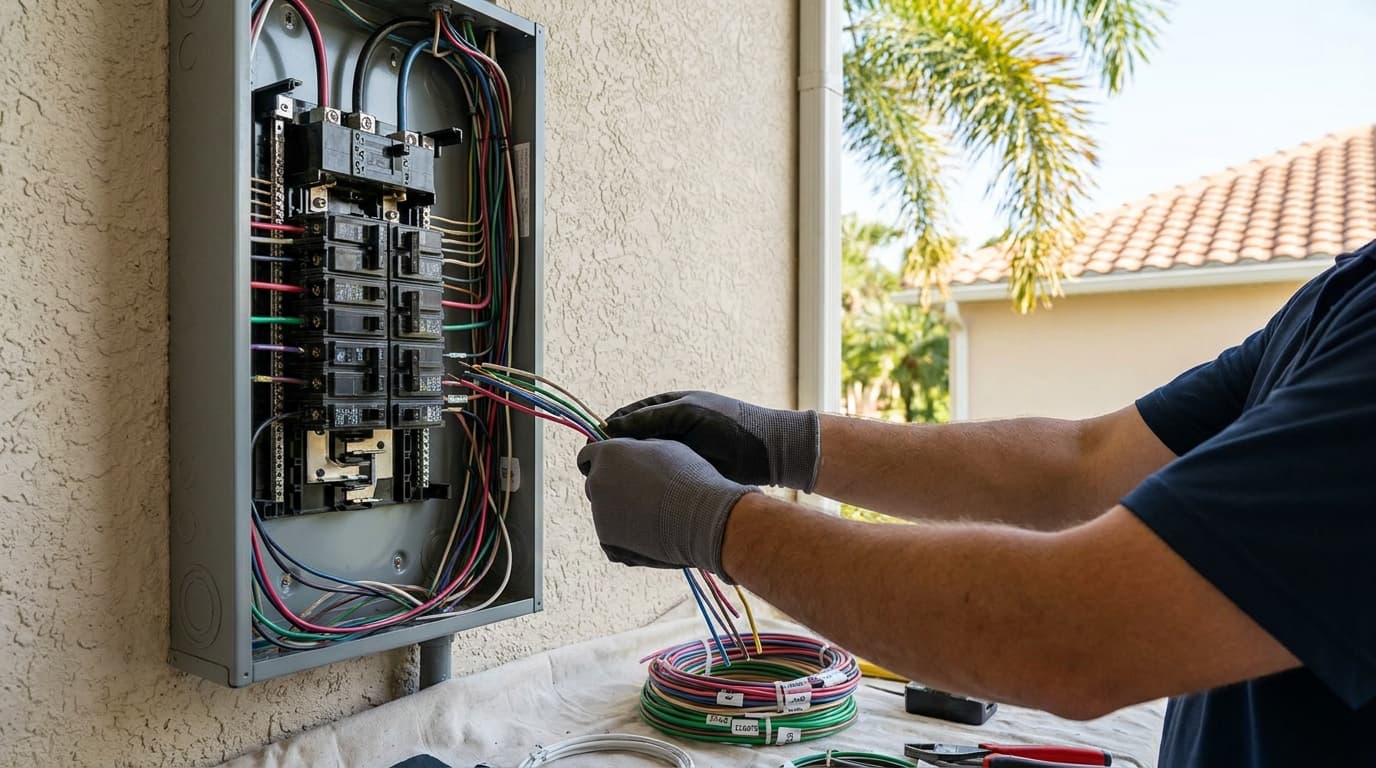

If you're an electrical contractor in Palm Beach County, you already know that permit compliance isn't just a regulatory box to check—it's the foundation of a profitable, defensible business. Homeowners are increasingly demanding proof of licensed, bonded contractors. Code enforcement agencies are cracking down harder. And your reputation hinges on doing the work right, the first time, with full documentation.
This guide is designed for electrical professionals who see permit work as a competitive advantage, not a burden. We'll walk through the landscape of top-tier electrical contractors in Palm Beach County, show you how they've positioned themselves for growth, break down the compliance framework, and give you actionable strategies to elevate your own business in a market where trust and transparency are everything.
The Palm Beach County Electrical Market: Demand for Permit-Compliant Work Has Never Been Higher
Palm Beach County encompasses roughly 2,500 square miles across West Palm Beach, Boca Raton, Delray Beach, and dozens of smaller municipalities—each with its own permitting authority, inspection schedules, and local amendments to the Florida Building Code.
What's driving demand for permit-compliant electrical work? Three major factors:
For electrical contractors, this creates opportunity. Homeowners who discover unpermitted work—or who are proactive from the start—need someone they can trust. They're willing to pay a premium for licensed, bonded professionals with verifiable track records.
Key Compliance Framework: Florida Statute 553 and Palm Beach County Local Amendments
Before we dive into specific contractors, understand the legal landscape you're operating in.
Florida Statute 553 (the Florida Building Code) mandates that electrical work exceeding $2,500 must be performed by a licensed electrical contractor. Even work under $2,500 requires a permit if it involves:Palm Beach County Building Division (PBCBD) administers permits and inspections across the county's unincorporated areas. However, municipalities like West Palm Beach, Boca Raton, and Delray Beach maintain their own building departments with slightly different fee schedules and turnaround times.
Critical: Local amendments to the Florida Building Code vary by jurisdiction. West Palm Beach may require hardwired smoke detectors in ways that Boca Raton doesn't. Always check the specific municipality's amendments before submitting plans.
The permit process typically includes:
YouTube Resource: How to Navigate Local Permitting
Watch Related Videos on YouTube
best electrical contractors Palm Beach County Florida how to fix guide
What Sets Top Electrical Contractors Apart in Palm Beach County
The difference between a good electrical contractor and a truly great one—especially in permit work—comes down to a few key traits:
Expertise in Local Permit Timelines and Nuances
Top contractors know that West Palm Beach's building department moves faster than Boca Raton's. They know which inspectors are sticklers for certain details. They maintain relationships with permit coordinators and can often get fast-tracked reviews. This knowledge translates to faster project completion, which means higher customer satisfaction and more jobs completed per month.
Transparent Pricing and Permit Cost Disclosure
A contractor who clearly separates labor, materials, and permit fees—and explains why a permit adds cost—builds trust. Homeowners appreciate honesty. Top contractors budget 10–15% additional cost for permit work and explain this upfront. They don't hide permit fees or pretend unpermitted work is a viable shortcut.
Digital Portfolio and Review Proof
In 2026, digital proof matters. Top contractors maintain before/after photo galleries with project dates, descriptions, and customer reviews. Platforms like HomeProBadge allow contractors to build verified portfolios, score their work quality, and collect authenticated customer feedback. Homeowners increasingly check these profiles before hiring.
Continuous Code Education
The Florida Building Code updates every three years. Top contractors stay current. They attend code updates, hold active licenses, and maintain current certifications in areas like pool wiring, solar installation, and EV charging—high-margin specializations in Palm Beach County.
Top Electrical Contractors and Strategic Positioning in Palm Beach County
Below, we highlight strategic positioning examples and traits that define success in this market. (Note: We're not endorsing specific companies here, but rather showcasing the business models and compliance frameworks that work.)
High-Volume General Contractors with In-House Electrical Divisions
Large general contractors operating across Palm Beach County often maintain dedicated electrical divisions. Examples include firms like Gilman Ciocia, Royal Building Systems, and similar regional GCs that pull 50+ permits per month across residential and light commercial work.
What they do well:Even solo electrical contractors can adopt some of these strategies. Standardize your intake process. Create templates for common projects (panel upgrades, new circuits, etc.). Build relationships with permit staff. These small wins compound into faster turnaround and more referrals.
Specialized Permit-Compliance Firms
Some electrical contractors have built entire business models around permit remediation. They partner with code enforcement consulting firms or homeowner attorneys to help fix unpermitted work. Examples in the broader Florida market (though not specific to Palm Beach) include firms focusing on "unpermitted work corrective permits."
What they do well:If you handle a few unpermitted remediation jobs, recognize the niche. These projects are complex, time-consuming, and profitable. Build expertise here. Create a service offering specifically for homeowners facing code enforcement violations. Market it to real estate attorneys and insurance agents.
Residential Service Electrical Contractors (Maintenance, Upgrades, Remodels)
Contractors like Wires 'N' More, Established Electrical, and similar service-focused firms in the West Palm Beach area focus on homeowner maintenance, panel upgrades, and remodeling projects. These are bread-and-butter permit work.
What they do well:If you specialize in residential service work, your competitive advantage is trust and reliability. Build a referral network. Get on Google Local. Collect and showcase customer reviews. Use platforms like HomeProBadge to display your verified credentials and project portfolio. Homeowners are more likely to hire a contractor they've seen reviewed by neighbors.
Niche Specialists (EV Charging, Solar, Pool/Spa, Generator Installation)
Specialties command premium pricing. A Level 2 EV charger installation might be $2,000–$3,500. A pool rewire or update could run $5,000–$15,000. Generators and solar-tied systems are similarly high-value.
What they do well:If you've done 5–10 EV charger installs, you have the foundation for specialization. Invest in additional training, marketing, and digital presence in that niche. Document every project with before/after photos and customer testimonials. High-value niches are less price-sensitive; customers pay for expertise.
Permit Work Business Model: How Top Contractors Price and Structure Electrical Jobs
Understanding how successful firms price permit work is critical to your own growth.
Standard Pricing Breakdown
| Cost Category | Typical Range | Notes |
|---|---|---|
| Labor (hourly or project) | $65–$150/hr or flat fee | Depends on complexity, local market, contractor experience |
| Materials | Cost + 20–35% markup | Varies by supplier relationships and project scope |
| Permit fees (county) | $200–$1,200+ | Varies by county; larger projects cost more |
| Inspection fees | Included in permit or $75–$300 | Some jurisdictions bundle; others charge per inspection |
| Plan review (if required) | $100–$500 | Required for larger projects; some jurisdictions waive for standard work |
| Markup on total project | 15–25% | Overhead, insurance, licensing, vehicle, tools |
Homeowner Communication Strategy
Top contractors explain permit costs separately on quotes:
Example Quote Structure:Then, in writing, they explain: "Permit and inspection fees are required by law and paid directly to Palm Beach County. This ensures your work is code-compliant, insured, and documented for resale or insurance claims."
This transparency builds trust. Homeowners understand why permits cost money. They appreciate the honesty.
Key Insight: Homeowners who understand permit value upfront are 3x more likely to hire you than to seek out unpermitted alternatives. Transparency is a marketing advantage.
Vetting Electrical Contractors: What Homeowners (and GCs) Should Check
If you're reading this as an electrical contractor looking to understand your competitive landscape, this section shows you what informed customers are checking:
License Verification
All electrical contractors in Florida must hold an active license issued by the Department of Business and Professional Regulation (DBPR). Homeowners can verify at myfloridalicense.com.
For contractors: Make sure your license is current. Many contractors lose clients because their license lapsed during business transitions. Keep a copy of your license on your website and in your marketing materials.Insurance and Bonding
A valid Florida electrical contractor license requires:
Top contractors display proof of insurance on contracts and websites.
Portfolio and Job History
Homeowners increasingly expect digital portfolios. Photos of past work, project dates, and descriptions matter. Better yet, verified portfolios with authenticated customer reviews.
Platforms like HomeProBadge allow electrical contractors to build verified profiles with job portfolios, before/after galleries, and trust scoring. When a homeowner sees a contractor with 15 verified projects and 4.8-star reviews—all authenticated—trust increases dramatically.
Permit Records and Certificate of Completion
Top contractors can provide homeowners with copies of final permits, inspection reports, and certificates of completion. These documents prove the work was done right and are critical for resale and insurance claims.
References and Local Reviews
Google reviews, Angie's List, and industry-specific platforms matter. A contractor with 20+ five-star reviews has proven track record. Homeowners notice.
Building Your Electrical Contracting Business for Permit-Work Growth
If you're an electrical contractor in Palm Beach County looking to grow, here's a roadmap:
Step 1: Audit Your Current Permit Compliance Practices
Are you pulling permits on every job where required? Are you tracking them? Do customers understand the value? If you're not at 95%+ permit compliance, that's your first priority. Unpermitted work creates liability, kills referrals, and limits your business scale.
Step 2: Specialize in a Niche (or at Least Know It Well)
Don't try to be everything to everyone. Pick 2–3 specializations:
Deep expertise in one area makes marketing easier, pricing clearer, and customer confidence higher.
Step 3: Build a Verified Digital Presence
This is non-negotiable in 2026. Homeowners check online before hiring. You need:
Step 4: Develop a Referral and Retention System
Your best customers are past customers. Create a simple system:
Referrals are cheaper to acquire and more profitable than paid ads.
Step 5: Invest in Continuing Education
The Florida Building Code updates every three years. Staying current is not optional. Attend code update seminars, earn certifications in high-value specialties (solar, EV, pool), and stay ahead of your competitors.
Common Permit Pitfalls Electrical Contractors Should Avoid
Missing Local Amendments
Florida Statute 553 is the baseline, but municipalities add local amendments. Missing a local requirement can trigger inspection failures, delays, and customer frustration.
Solution: Before starting any job, download the specific city/municipality's amendments. Keep a folder of active amendments for West Palm Beach, Boca Raton, Delray Beach, and Palm Beach County unincorporated areas.Underestimating Permit Turnaround Time
Some contractors quote 2-week project timelines without accounting for permit review and inspection scheduling. When permits take 10 days and inspections add another 5, customers get upset.
Solution: Build realistic timelines into quotes. Communicate upfront: "Permit review is typically 5–7 business days. Rough-in inspection is scheduled by the county; typical wait is 2–3 days after we call." This sets expectations.Poor Documentation
Failed inspections often result from incomplete documentation—missing calculations, plan markups, or photo evidence. Top contractors maintain detailed project files.
Solution: For every job, maintain a folder with:Inadequate Communication with Homeowners
Homeowners get nervous when they don't hear from contractors. Silence breeds doubt and negative reviews.
Solution: Weekly check-ins (email or text). Notify homeowners of inspection dates, results, and next steps. Provide them with copies of final permits and certificates of completion. This builds confidence and encourages positive reviews.Comparison: Key Traits of Successful Electrical Contractors in Palm Beach County
| Trait | High-Growth Contractors | Struggling Contractors |
|---|---|---|
| Permit Compliance | 95%+ of work permitted, documented | Selective permitting; cuts corners |
| Digital Presence | Strong Google profile, verified portfolio, website | Minimal online presence; old website or none |
| Specialization | 2–3 niche areas with deep expertise | "We do everything" generalists |
| Customer Communication | Regular updates, transparent pricing, clear timelines | Sporadic communication; surprise costs |
| Reviews & Referrals | 50%+ new business from referrals; 4.5+ star rating | Heavy reliance on paid ads; inconsistent reviews |
| Continuing Education | Current code certifications, ongoing training | Licenses maintained minimally |
| Project Documentation | Detailed files, photos, permits, inspection reports | Minimal documentation |
| Pricing Strategy | Value-based; explains permit costs | Price-based; often underprices |
Palm Beach County Permit Resources for Electrical Contractors
Here are county and municipal contacts every electrical contractor should bookmark:
Unincorporated Palm Beach County
West Palm Beach
Boca Raton
Delray Beach
Florida Department of Business and Professional Regulation (DBPR)
Positioning Your Electrical Contracting Business for 2026
The electrical contracting market in Palm Beach County is consolidating. Homeowners are more informed, more demanding, and more willing to pay for trusted, documented work. Code enforcement is tightening. Insurance companies are raising requirements for unpermitted work.
The contractors winning in 2026 are those who:
Building Your Verified Contractor Profile
If you're serious about growth in permit-focused electrical work, get visible. Homeowners and referral sources need to find you and trust you.
HomeProBadge (homeprobadge.com) offers a free, verified contractor profile for electrical professionals in Palm Beach County. You'll get:
A verified profile takes 10 minutes to create and costs nothing. It tells homeowners: "I'm licensed, checked, and confident in my work." That confidence is worth thousands in referrals and higher project values.
Final Thoughts: The Future of Electrical Contracting in Palm Beach County
The best electrical contractors in Palm Beach County aren't the cheapest—they're the most trusted. They're the ones homeowners call back for follow-up work, refer to neighbors, and recommend to real estate agents. They're the ones who sleep well at night knowing every job is permitted, documented, and defensible.
If you're building a long-term electrical contracting business in this market, make permit compliance, specialization, and verified credibility your foundation. The market rewards it.
Start today: Create a free verified contractor profile at https://www.homeprobadge.com/florida/palm-beach-county. It's the first step to building trust with homeowners in your area.