

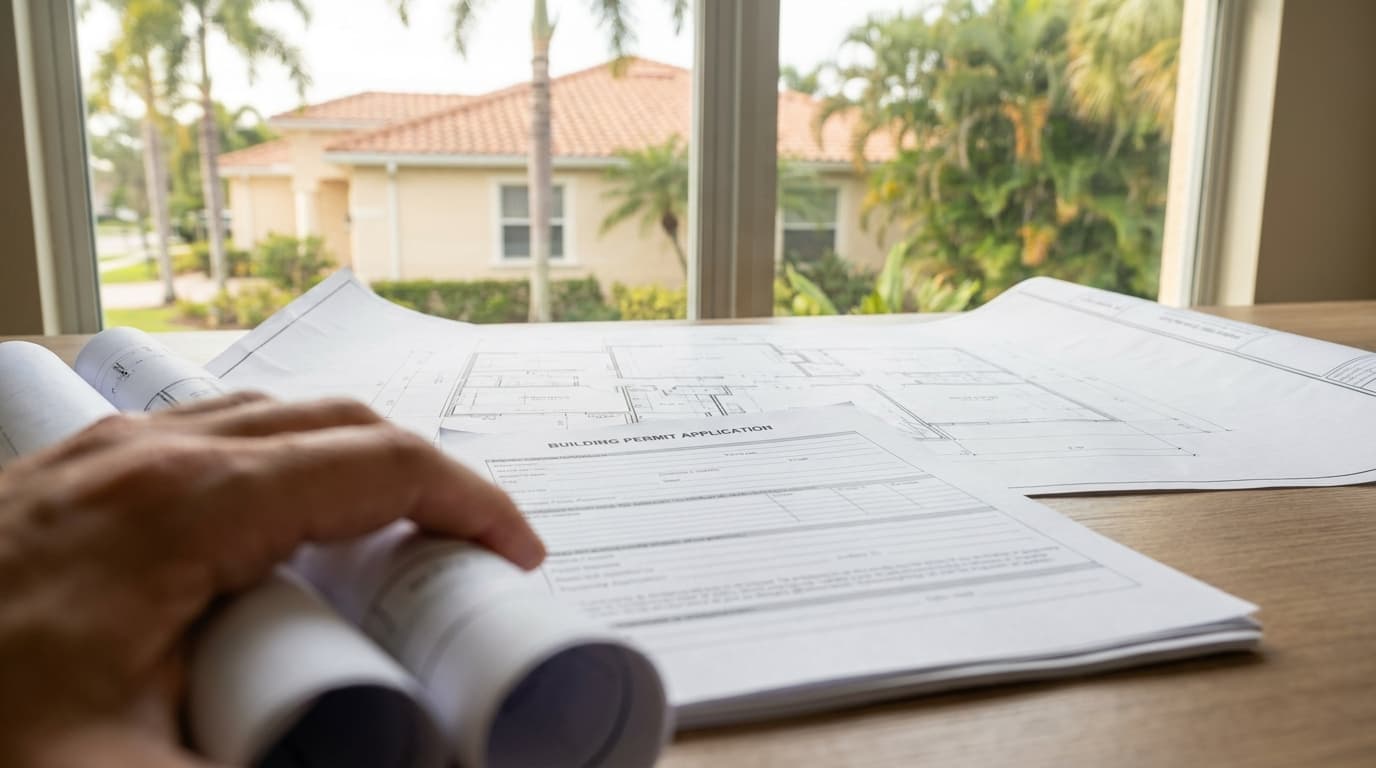

If you've received a code enforcement notice from Lake County, or you're worried about unpermitted work on your property, you're not alone. Florida homeowners navigate the building permit system every day—and it can feel overwhelming. But here's the truth: understanding Lake County building permits isn't as complicated as it seems. With clear information and a solid action plan, you can resolve violations, protect your property value, and ensure your home is safe and compliant.
This guide walks you through exactly how Lake County permits work, what happens when work isn't permitted, and the concrete steps you can take to get your property back in compliance. Whether you hired a contractor who cut corners or you inherited a home with violations, you'll find practical answers here.
What Is a Building Permit and Why Does Lake County Require Them?
A building permit is a document issued by the Lake County Building Department that authorizes you to perform construction work on your property. It's not red tape for red tape's sake—permits exist to protect you, your neighbors, and your home's structural integrity.
Florida Statute 553 (Florida Building Code) establishes the statewide building standards that Lake County enforces. When you pull a permit, the Building Department reviews your plans to ensure they meet these codes. Inspectors then verify the work meets safety, electrical, plumbing, and structural requirements before issuing a Certificate of Occupancy or Final Inspection approval.
Why Lake County Cares About Permits
Lake County's building permit system protects:
Key reality: A code violation doesn't mean your home will be condemned. It means the work needs to be brought into compliance—either by permit retrofit, licensed contractor correction, or in rare cases, removal.
Florida Statute 553 requires permits for most structural, electrical, plumbing, HVAC, and roofing work. Minor repairs and maintenance—like replacing a faucet or repainting—don't need permits. But room additions, pool installations, foundation repairs, electrical panel upgrades, and new construction absolutely do.
Watch Related Videos on YouTube
Lake County Florida building permits homeowner guide how to fix guide
How Lake County's Building Department Works
The Lake County Building Department operates out of the county's Public Works division. Their job is straightforward: review plans, issue permits, conduct inspections, and enforce Florida Building Code.
The Permit Process in Lake County
Here's the typical flow when you want to do permitted work:
Lake County Permit Fees
Permit fees are calculated based on the project's estimated cost. Here's the general structure (fees updated periodically—check with the Building Department for current rates):
| Project Type | Estimated Construction Cost | Base Permit Fee | Typical Total Fee |
|---|---|---|---|
| Room Addition | $50,000–$100,000 | $100–$150 | $400–$800 |
| Pool Installation | $30,000–$60,000 | $100–$125 | $300–$500 |
| Electrical Upgrade | $5,000–$15,000 | $50–$75 | $150–$300 |
| Roof Replacement | $15,000–$30,000 | $75–$100 | $250–$400 |
| Foundation Repair | $20,000–$50,000 | $100–$125 | $350–$600 |
| HVAC Installation | $5,000–$10,000 | $50–$75 | $150–$250 |
Note: Actual fees depend on the exact scope of work and current Lake County fee schedules. Contact the Building Department for a formal estimate.
Key Lake County Contacts
What Happens When Work Is Unpermitted: Code Enforcement
If you hire a contractor who doesn't pull permits, or if you do unpermitted work yourself, Lake County's code enforcement division will eventually find out—either through a neighbor complaint, a title search before you sell, or a routine inspection.
When unpermitted work is discovered, the Building Department issues a Notice of Code Violation. This notice identifies the violations and gives you a set timeframe to respond and cure (typically 15–30 days).
Common Violations in Lake County
The most frequently cited unpermitted work includes:
Consequences of Unpermitted Work
The penalties escalate depending on how long violations go unaddressed:
Initial notice stage:Don't panic: The vast majority of unpermitted work is resolved through a permit retrofit, corrections made by licensed contractors, or structural/safety testing. Full removal is uncommon.
How to Resolve a Code Violation in Lake County
If you've received a Notice of Code Violation, or you suspect unpermitted work on your property, here's your action plan:
Step 1: Get a Copy of the Violation Notice
If you don't already have it, contact the Lake County Building Department and request a copy. This document tells you:
Step 2: Document the Work and Get Professional Opinions
Take photos of the unpermitted work from multiple angles. If it's structural work (foundation, roof, framing), hire a licensed structural engineer to evaluate whether it's safe and code-compliant. Cost: $300–$800. This report becomes crucial for permit retrofit decisions.
Step 3: Choose Your Resolution Path
You have three main options:
#### Option A: Permit Retrofit (Most Common)
A permit retrofit means you apply for a permit after the work is done. You submit plans showing what was built, inspections verify compliance, and the work is officially permitted retroactively.
When it works best: The unpermitted work is safe and code-compliant (or easily corrected). Timeline: 4–12 weeks Cost: Permit fees + any corrections needed to meet current code Process:#### Option B: Corrections by Licensed Contractor
If the unpermitted work doesn't meet code, you hire a licensed contractor to bring it into compliance, then pull a permit for the correction work.
When it works best: The original work has code violations that are fixable. Timeline: 6–16 weeks (depends on the scope of corrections) Cost: Contractor labor for corrections + permit fees Process:#### Option C: Removal and Restoration
In rare cases where unpermitted work can't be safely corrected or integrated, the work must be removed and the property restored.
When it's required: The work is structurally dangerous, doesn't meet code in ways that can't be fixed, or was done by an unqualified individual (electrician work done by non-electrician, for example). Timeline: 8–20 weeks Cost: Removal labor + restoration Process:Step 4: Respond to the Code Enforcement Officer
Within the deadline on your violation notice, contact the assigned code enforcement officer. Tell them your plan: "I'm pursuing a permit retrofit with [contractor name]" or "I'm having corrections made by [contractor name]." This stops the clock on daily fines while you work toward compliance.
Step 5: Hire a Licensed Contractor (If Needed)
For electrical, plumbing, roofing, and HVAC work, Florida law requires a licensed contractor. For structural work, a licensed engineer or contractor is essential.
Tip: Use HomeProBadge's verified contractor directory to find licensed, background-checked professionals in Lake County. You can see their portfolio, reviews, and trust scores before hiring.
When you hire a contractor, make sure they:
Step 6: Submit Permit Application and Plans
Your contractor will prepare plans and submit the permit application. The Lake County Building Department will review and either approve or request revisions.
Step 7: Inspections and Approval
Once the permit is issued, work proceeds with required inspections. Once all inspections pass, you receive final approval.
Understanding Florida Building Code (Statute 553) and How It Applies in Lake County
Lake County enforces the Florida Building Code, which is updated every three years to match the International Building Code (IBC). The current version is based on the 2023 International Building Code.
Here's what homeowners need to know:
Common Code Requirements
Electrical work:If you're unsure whether your work meets code, ask the code enforcement officer or hire a licensed professional to assess.
Special Situations: Inherited Violations, Home Purchases, and Insurance
I Inherited a Home With Unpermitted Work
You're not liable for work done before you owned the property, but you are responsible for resolving violations now that you own it. If you received a code enforcement notice after purchase, you have the same three options as above: permit retrofit, corrections, or removal.
Contact the code enforcement officer, explain you're the new owner, and outline your plan to cure. Most officers will work with you, especially if you're actively pursuing compliance.
I'm Selling My Home and Just Found Out About Violations
This is one of the most stressful scenarios, but it's solvable. Here's what to do:
Many sales close with code violations resolved during the escrow period. Your realtor and the buyer's title company can arrange this.
Unpermitted Work and Homeowner's Insurance
This is critical: many homeowner's insurance policies exclude coverage for unpermitted work. This means if an electrical fire starts in unpermitted wiring, your insurance may deny the claim.
Contact your insurance agent and disclose any unpermitted work. Ask whether your policy covers it or if you need a rider. As you resolve violations, provide your insurer with final inspection certificates—this protects your coverage going forward.
Lake County-Specific Considerations
Hurricane and Wind Load Standards
Lake County is located in FEMA Wind Zone 2, which requires high wind resistance. Any structural modifications, new construction, or roof replacement must meet Hurricane Tie-Down requirements and wind load calculations. This is checked carefully during permit review.
Septic Systems vs. Municipal Sewer
Much of Lake County is served by septic systems rather than municipal sewer. If you're adding a bedroom or bathroom, the septic system capacity may need to be evaluated. This is part of the permit review process.
Lakes and Wetlands
Lake County has numerous lakes and wetlands. If your property borders a water body or contains wetlands, environmental permits from the Florida Department of Environmental Protection (FDEP) may be required in addition to building permits. Certain work (docks, seawalls, dredging) requires additional review.
Getting Help: County Resources and Professional Support
Lake County Building Department
Contact them directly for:
Florida Department of Business and Professional Regulation (DBPR)
If you have complaints about a licensed contractor or need to verify a contractor's license, contact DBPR's Construction Industry Licensing Board.
Homeowner Associations
If your property is in an HOA, notify them of code violations early. Some HOAs have their own standards that must be met in addition to building code.
Quick Summary: Lake County Permit Essentials
Next Steps: Create Your Permit Violation Action Plan
If you're facing a code violation in Lake County, you don't have to navigate this alone. The decision tree can be confusing: Do you need a permit retrofit? Corrections? Is the work safe? What contractor should you hire?
HomeProBadge offers AI-generated, county-specific Permit Violation Action Plans that walk you through exactly what to do next. Based on your situation, you'll get:HomeProBadge also connects you with identity-verified, background-checked home service professionals ($5 one-time verification), so you know you're hiring someone trustworthy to help resolve your violation.
Get your county-specific action plan today at HomeProBadge.com. Most homeowners move from violation to approval in 4–12 weeks with a clear plan and the right contractor.Your home is valuable, and unpermitted work is fixable. With the right information and professional support, you can resolve this and move forward with confidence.