

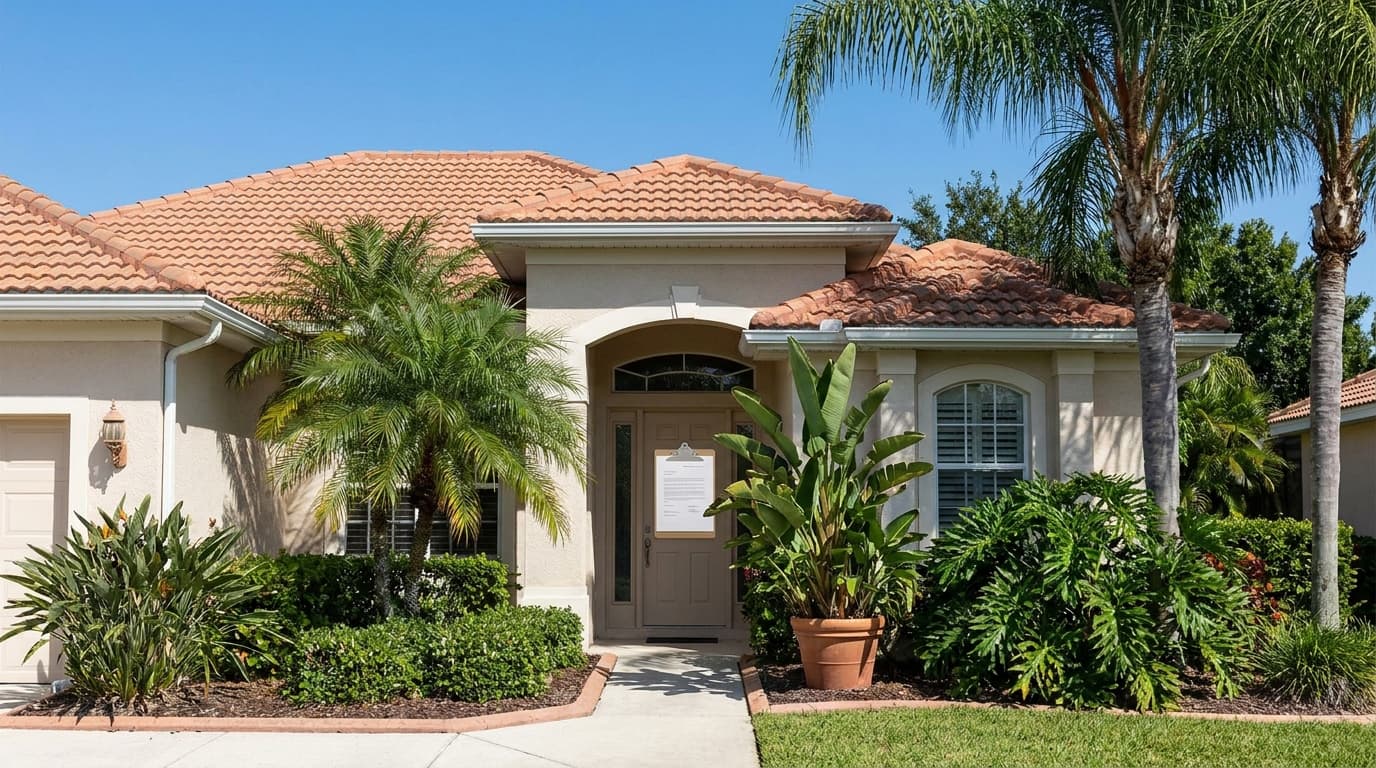

Receiving a code enforcement notice for unpermitted work in Baker County is stressful. You may have hired a contractor who cut corners, inherited a property with unpermitted additions, or simply didn't realize you needed a permit for that renovated bathroom. Whatever the reason, you're now facing potential fines, stop-work orders, and uncertainty about what comes next.
The good news: unpermitted work violations in Baker County are resolvable. The county's building department has a clear process for bringing non-compliant work into compliance, and homeowners who take action quickly typically avoid significant penalties. This guide walks you through exactly what to do, what to expect, and how to navigate Baker County's permitting system with confidence.
Understanding what triggered the violation is your first step toward resolution. Code enforcement in Baker County operates under Florida Statute 553 (Florida Building Code) and the Baker County Code of Ordinances. When a neighbor complains, a city inspector notices unpermitted work, or a property transfer reveals undocumented renovations, the county sends you a Notice of Violation. This isn't a fine—it's a formal request to remedy the situation.
Understanding Baker County's Code Enforcement Process
Baker County's Building Department enforces the Florida Building Code and county-specific ordinances. The county operates under a standard compliance timeline, meaning you're typically given 30 to 60 days to address a violation before escalation to code enforcement board hearings or fines.
What Counts as Unpermitted Work in Baker County?
Unpermitted work includes any structural, electrical, plumbing, mechanical, or significant cosmetic renovation completed without first obtaining a permit from Baker County. Common examples include:
Small cosmetic work like interior painting or replacing fixtures generally doesn't require permits, but anything involving structural changes, utilities, or exterior modifications does.
How Code Enforcement Finds Unpermitted Work
Code violations typically surface through:
Watch Related Videos on YouTube
unpermitted work violation Baker County Florida how to fix guide
Step 1: Respond Immediately to the Notice of Violation
Time is your greatest asset when addressing an unpermitted work violation. The moment you receive notice, contact Baker County's Building Department to acknowledge receipt and signal your intent to comply.
What to Do First
Contact Information:Call immediately and:
Don't ignore the notice. Failure to respond escalates the case to formal enforcement board hearings, where fines increase and legal costs mount. A simple phone call buys you time and demonstrates good faith compliance.
Document Everything You Receive
Keep organized records:
This documentation becomes crucial if you need to appeal or dispute findings later.
Step 2: Assess Your Options for Compliance
Baker County typically allows homeowners three paths to resolve unpermitted work violations:
Option A: Retroactive Permitting (Most Common)
Retroactive permitting allows you to "legalize" completed work after the fact by submitting plans, paying permit fees, and having the work inspected to verify it meets code. This is the most straightforward path when the unpermitted work is structurally sound and compliant with current building standards.
When this works best:Option B: Correction Work (Code Violations Only)
If the unpermitted work violated specific code requirements, Baker County may require you to correct the deficiency rather than permit retroactively. For example, if a deck doesn't meet current railing code, you'd install proper railings instead of going through permitting.
When this applies:Option C: Demolition or Removal
In rare cases where work is fundamentally non-compliant, unsafe, or unpermittable (like an illegal addition), Baker County may require removal or demolition. This is uncommon for residential properties but can occur if work encroaches on setbacks, violates zoning, or poses safety risks.
When this applies:Seek professional guidance before choosing your path. A code compliance consultant or licensed contractor familiar with Baker County requirements can assess your specific situation and recommend the most cost-effective solution.
Step 3: Gather Documentation and Create a Remediation Plan
Beginning with Option A (retroactive permitting, the most common), you'll need comprehensive documentation.
What You'll Need to Submit
| Documentation | Purpose | How to Obtain |
|---|---|---|
| Building plans/blueprints | Show what was built and verify compliance | Original contractor, architect, or have new plans drawn |
| Inspection photos | Document current condition | Take clear photos from multiple angles |
| Electrical/plumbing diagrams | Verify utility work meets code | Original contractor or licensed electrician/plumber assessment |
| Material specifications | Confirm quality and code compliance | Original invoices, receipts, or material lists |
| Contractor information | Verify licensed, insured work | Original contract or homeowner recollection |
| Property survey (if applicable) | Verify setbacks, easements, zoning compliance | County records or hire surveyor ($500-$1,500) |
When to Hire Professional Help
You have two options:
Option 1: Hire the Original ContractorFor electrical, plumbing, or structural work, hiring a licensed professional is non-negotiable. Baker County requires all trades to be licensed, insured, and bonded.
Creating Your Written Remediation Plan
When you contact code enforcement the second time, submit a written plan:
Sample Remediation Plan (Email or Letter Format):To: Baker County Building Department Code Enforcement
Re: Violation Case [Case Number] – 123 Main Street, Macclenny, FL
Dear Code Enforcement Officer [Name],
I received the Notice of Violation dated [date] regarding unpermitted [work description]. I am committed to bringing this property into full compliance with Baker County Code and Florida Building Code 553.
My remediation plan:
1. By [date], I will submit a complete permit application with plans for [work description]
2. I have retained [Contractor Name], a licensed Florida contractor (License #[number]), to oversee compliance
3. Upon permit approval, work will be inspected per Baker County standards
4. Final inspection and certificate of completion will be obtained before [date]
I request a 60-day extension from the original notice date to complete this process. Please advise if this timeline is acceptable or if additional steps are required.
Sincerely,
[Your Name and Contact Information]
Submitting this proactively demonstrates good faith and often results in code officers granting timeline extensions.
Step 4: Submit the Permit Application
Once you have plans and professional guidance, it's time to officially submit a permit application to Baker County Building Department.
Permit Application Requirements
Baker County requires:
Tips for Smooth Application Processing
Expected Timeline
Step 5: Schedule and Pass Inspections
Once your permit is approved, Baker County will schedule inspections to verify that the unpermitted work meets code.
What Inspectors Look For
Structural work (additions, decks, roofs):Preparing for Inspection
Inspection Outcomes
Passed (Approved): Work meets code. You're cleared to proceed with final inspections or receive Certificate of Completion. Conditional Pass: Minor corrections needed. Typically addressed quickly (1-2 weeks). Inspector will schedule follow-up inspection. Failed: Major code violations. Work must be corrected and re-inspected. This can add 2-4 weeks and increase costs.If you fail inspection, don't panic. Most failures are correctable. Work with your contractor to address the specific violations and request a re-inspection. Baker County is focused on compliance, not punishment.
Step 6: Obtain Final Approval and Certificate of Completion
Once all inspections pass, Baker County issues a Certificate of Completion (or Certificate of Occupancy for major additions). This document officially closes the violation and brings your property into compliance.
What This Certificate Does
How to Request the Certificate
Understanding Costs and Timelines
Resolving an unpermitted work violation requires investment. Here's what to budget:
Typical Cost Breakdown
Retroactive Permitting (Option A):Financial Assistance and Alternatives
Baker County does not typically offer hardship waivers or fee reductions for unpermitted work violations. However:
Common Violations and How to Fix Them
Unpermitted Electrical Work
Issue: Rewiring, new outlets, or circuits installed without permit. Solution:Unpermitted Deck or Porch
Issue: Deck or screened porch built without permit, potentially missing railings or footings. Solution:Unpermitted Bathroom or Kitchen Remodel
Issue: Renovation completed without permit, potentially involving electrical and plumbing work. Solution:Unpermitted Room Addition or Garage
Issue: Structural addition built without permit, may involve encroachment, zoning violations, or code non-compliance. Solution:How to Avoid Unpermitted Work Violations in the Future
Always Get Permits Before Starting Work
When hiring contractors:
DIY Work That Requires Permits
Here are common homeowner mistakes:
What You Can Do Without a Permit
In Baker County, you typically don't need permits for:
Baker County Building Department Contact Information
Phone: (904) 259-3613 Address: 339 E. Macclenny Ave., Macclenny, FL 32063 Hours: Monday-Friday, 8:30 AM - 4:30 PM (est.) Online Resources:Frequently Asked Questions
How much will I be fined for unpermitted work?
Baker County fines vary depending on the violation severity and how long it goes unaddressed. Initial violations may start at $250-$500 per day if not remedied within the compliance window. Fines accumulate daily until the violation is resolved. Taking immediate action prevents fines from escalating. If you respond within 30 days and submit a remediation plan, fines are typically waived.
Can I sell my house with an unpermitted work violation?
Technically, yes, but it will complicate the sale significantly. Most buyers require a clear title and disclosure of code violations. Lenders may refuse to finance properties with open violations. The safest approach is to resolve the violation before listing. This actually increases property value and makes the home more marketable.
What if I don't respond to the violation notice?
Ignoring a violation escalates the case. Baker County will:
The cost and stress of formal enforcement are far higher than proactive remediation.
Can I appeal the violation?
Yes. If you believe the violation was issued in error or that your work actually complies with code, you can request an appeal hearing before the Code Enforcement Board. You'll need documentation supporting your position. Appeals must be filed within 10 days of the violation notice. An attorney experienced in Florida code violations can help strengthen your appeal.
How long does it actually take to resolve this?
From violation notice to Certificate of Completion, expect 60-120 days for straightforward retroactive permits. Complex work (room additions, structural modifications) may take 120-180 days. The primary delays are: permit application processing (2-3 weeks), contractor scheduling and work completion (2-4 weeks), and inspection scheduling (1-2 weeks). Staying proactive and communicating with code enforcement reduces delays.
What if the original contractor has gone out of business?
You'll need to hire a new licensed contractor to remediate the work. Bring the new contractor copies of any original plans, photos, or documentation of the unpermitted work. They'll assess the work and either help you obtain retroactive permits or recommend corrections. This adds cost but is necessary.
Does homeowner's insurance cover unpermitted work?
Most homeowner's insurance policies exclude coverage for unpermitted work. If you file a claim for damage related to unpermitted work, insurers may deny it. This is a major financial risk. Once you obtain a Certificate of Completion, insurers will recognize the work as compliant and provide full coverage.
Can I do the work myself to save money?
For structural work, you can do it yourself and then apply for a retroactive permit. However, electrical, plumbing, and HVAC work must be performed by or under the supervision of licensed contractors in Florida. You cannot obtain a permit for DIY electrical or plumbing work. This is a state-level requirement.
What happens if the work doesn't pass inspection?
If inspection reveals code violations, the inspector issues a written list of corrections required. You have a set time (typically 30 days) to address the violations. Your contractor makes the corrections, and you request a re-inspection. Most failures are correctable. If the work is fundamentally unsafe or non-compliant, Baker County may require demolition, but this is rare.
Do I need a lawyer for this?
For most straightforward retroactive permits, no. However, you may benefit from legal counsel if: (1) the violation involves zoning disputes, (2) you're contesting the violation's validity, (3) the work requires a variance, or (4) code enforcement threatens legal action. An attorney familiar with Florida Building Code and Baker County processes can prevent costly mistakes.
Get Your County-Specific Action Plan
Navigating unpermitted work violations can feel overwhelming, but you're not alone. Thousands of Florida homeowners have successfully resolved violations following the steps outlined above.
For personalized guidance tailored to your specific situation, HomeProBadge offers AI-generated, county-specific Permit Violation Action Plans designed specifically for Baker County homeowners. These plans outline your exact remediation pathway, estimated costs, timelines, and provide a checklist of next steps.
A few minutes answering questions about your unpermitted work generates a customized action plan you can reference throughout the process. You'll also gain access to our verified contractor directory—find licensed, background-checked professionals in Baker County who specialize in code remediation and permit applications. Filter by trade, read verified reviews, and compare quotes from multiple contractors.
Start your resolution process today:Visit HomeProBadge.com to:
Your violation is fixable. Take the first step now—respond to code enforcement, create a remediation plan, and move forward. The relief of resolving this issue is worth the effort.
Still have questions? Call Baker County Building Department at (904) 259-3613 or visit HomeProBadge.com for additional resources and contractor referrals.