

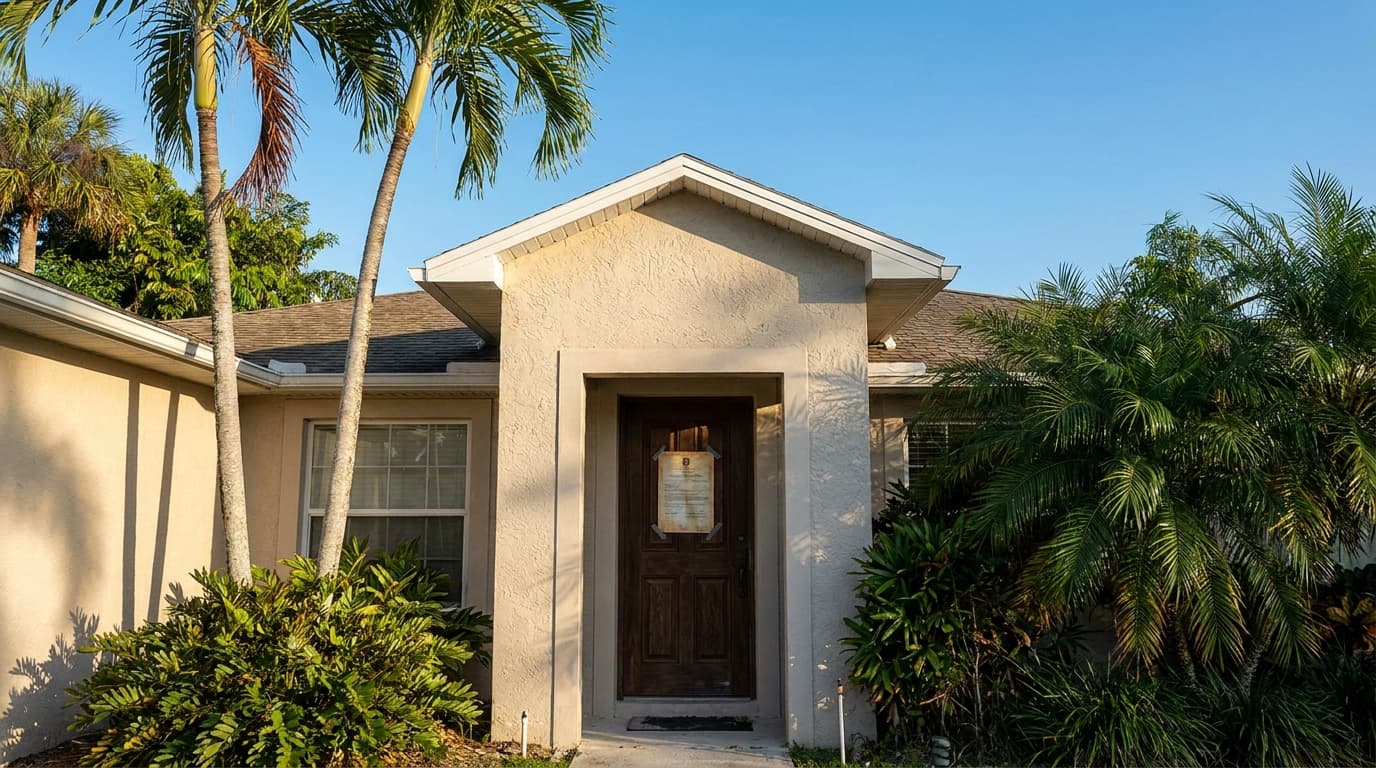

If you've received a code enforcement notice from Duval County regarding unpermitted work on your property, you're likely feeling a mix of stress, confusion, and urgency. The good news: thousands of Florida homeowners have faced this exact situation, and most resolve it successfully without catastrophic costs or legal consequences. The key is understanding what you're dealing with, acting quickly, and following a structured process. This guide walks you through exactly what to do, step by step, and explains your options under Duval County code enforcement procedures.
Unpermitted work violations aren't automatic disasters. They're correctable violations if you respond appropriately and understand the county's enforcement framework. Whether the violation involves an addition, electrical work, HVAC installation, roofing, or internal remodeling, Duval County has a documented process for homeowners to regain compliance. This article gives you the roadmap.
Understanding What Unpermitted Work Means in Duval County
Before diving into resolution steps, it's essential to understand what "unpermitted work" actually means in the context of Duval County code enforcement, and why the county cares.
What Counts as Unpermitted Work
Unpermitted work is any building, electrical, plumbing, mechanical, or structural alteration to your property that required a permit under Florida Statute 553 (Florida Building Code) but was completed without one. In Duval County, this includes:
Small, purely cosmetic work—like painting, landscaping, or simple fixture replacement—typically doesn't require permits. But if you're unsure whether your specific work required a permit, that's your first step: confirm it with Duval County Building Department.
Why Duval County Enforces Permits
Permit requirements exist for three core reasons: safety, property value, and tax assessment accuracy. Unpermitted work can hide structural defects, electrical hazards, or plumbing code violations. When work is permitted, it's inspected by qualified county inspectors to ensure it meets the Florida Building Code. Unpermitted work bypasses these safety checkpoints. From the county's perspective, unpermitted work also affects property tax assessments and creates liability exposure if the work fails and injures someone.
Understanding this context helps you realize that Duval County isn't trying to punish you—they're enforcing public safety standards. This mindset shift makes negotiating compliance easier.
How Violations Are Discovered
Common ways Duval County discovers unpermitted work include:
Understanding how you got caught can inform your response strategy—especially if a neighbor reported you. Either way, the resolution path is the same.
Watch Related Videos on YouTube
unpermitted work violation Duval County Florida how to fix guide
Step 1: Verify the Violation Notice and Understand What You're Facing
Your first move is to carefully read and understand your code enforcement notice. Don't panic—read it thoroughly.
What the Notice Should Include
A valid Duval County code enforcement notice must contain:
Key Questions to Answer Immediately
Warning: Do not ignore a code enforcement notice. Ignoring it results in escalating fines (often $250–$500 per day in Duval County), liens on your property, and potential legal action. The county can foreclose on a lien, so taking action immediately is critical.
Contact the Code Enforcement Officer
Within 24–48 hours of receiving the notice, call the code enforcement officer listed. Introduce yourself professionally, acknowledge receipt of the notice, and ask clarifying questions:
Many code enforcement officers are reasonable and will explain your options clearly. This conversation is not confrontational—you're gathering information and signaling that you're taking it seriously.
Step 2: Determine Your Compliance Path
Duval County typically offers homeowners three paths to resolve an unpermitted work violation. Which path you choose depends on the nature of the work, its condition, and your goals.
Path A: Retroactive Permit (Most Common)
A retroactive (or "after-the-fact") permit is a formal permit issued for work already completed. This path is available if:
Path B: Demolition or Removal
If the unpermitted work is unsafe, cannot meet code standards, or you simply want it removed, you can request demolition/removal approval. This means:
Path C: Administrative Resolution or Variance
In some cases, Duval County may offer an administrative adjustment or variance, particularly if:
This path is less common and requires negotiation with your code enforcement officer or the county's supervisor. It's worth asking about if the violation seems minor.
Choosing Your Path: A Comparison Table
| Factor | Retroactive Permit | Demolition/Removal | Administrative Resolution |
|---|---|---|---|
| Cost | $200–$1,500 (permit fees) | $1,000–$10,000+ (removal/demo) | $0–$500 (varies) |
| Timeline | 4–8 weeks | 2–6 weeks | 2–4 weeks |
| Property Value Impact | Increases (work legalized) | Decreases (improvement removed) | Minimal |
| Risk of Further Issues | Low (if inspection passes) | Very low (work removed) | Low (depends on agreement) |
| Likelihood of Approval | High (if work is sound) | High (always approved if done safely) | Medium (case-by-case) |
Most homeowners with sound, code-compliant work choose Path A: Retroactive Permit. It's the fastest, most cost-effective way to resolve the violation while protecting your property value.
Step 3: Gather Documentation and Evidence
Regardless of which path you choose, you'll need documentation to support your case. Start collecting this immediately.
Essential Documentation
For Retroactive Permit Path:Where to Find This Information
If you didn't do the work yourself, contact the contractor who did:
If the contractor is unavailable or closed, gather what you have. You can also hire a local licensed contractor or engineer to inspect the work and provide a written assessment of its code compliance—this carries significant weight with code enforcement.
Tip: Professional assessment strengthens your case. Hiring a licensed engineer or contractor to inspect unpermitted work and provide a written compliance report (typically $300–$800) dramatically increases your chances of retroactive permit approval. The county respects professional third-party assessments.
Step 4: Work with a Licensed Contractor or Engineer (If Needed)
Depending on the complexity of your violation, you may need professional help to navigate the permit process or provide code compliance documentation.
When You Definitely Need Professional Help
When You Might Handle It Yourself
Finding a Qualified Professional
When hiring a contractor or engineer to help with permit resolution:
Qualified professionals can dramatically accelerate your resolution timeline by handling permit paperwork, coordinating inspections, and communicating with code enforcement on your behalf.
Step 5: Submit Your Permit Application or Compliance Plan
Once you've chosen your path and gathered documentation, it's time to formally respond to the code enforcement notice.
For Retroactive Permit Path
Step-by-step submission:- Address: 1st District, 1630 Prudential Drive, Jacksonville, FL 32207
- Phone: (904) 255-7700 or visit coj.net/department/building-construction-and-zoning
- Property address and folio number (from your code enforcement notice)
- Detailed description of work performed
- Dates work was completed
- Contractor information
- Your contact information
- Simple work: Detailed written description suffices
- Structural work: May require engineer-drawn plans
- Ask the county permit technician what's required before spending time/money on plans
For Demolition Path
For Administrative Resolution
Critical timeline: Respond to your code enforcement notice within the deadline specified. Don't wait until the last day. Submitting a compliant response (even if incomplete) before the deadline shows good faith and typically pauses penalty accrual while you work toward full compliance.
Step 6: Coordinate Inspections and Address Code Deficiencies
Once your permit application is submitted, Duval County will schedule inspection(s) to verify the work meets Florida Building Code standards.
What to Expect During Inspection
A county inspector will visit your property to:
If Inspection Passes
Congratulations. The county will issue a final permit approval, and your violation is closed. The work is now fully legal, and your property's title and value are protected.
If Inspection Flags Deficiencies
The inspector will provide a written list of items that don't meet code. You then have two options:
Deficiencies are common and expected. They're not a violation—they're how the system ensures safety. Most can be corrected relatively affordably.
Managing Contractor Coordination
If corrections are needed:
Step 7: Finalize and Close the Violation
Once all inspections pass and deficiencies are corrected, the county will formally close the violation.
What "Closed" Means
Documentation to Keep
Once the violation is closed, retain:
Keep these in your property records indefinitely. You'll need them if you refinance, sell, or make an insurance claim.
Understanding Costs and Timelines
Typical Costs by Path
| Path | Permit/Application Fees | Professional Help (Optional) | Corrections/Deficiencies | Total Range |
|---|---|---|---|---|
| Retroactive Permit | $200–$1,500 | $300–$1,500 | $0–$5,000+ | $200–$8,000 |
| Demolition | $100–$500 | Included in contractor bid | N/A | $1,000–$15,000 |
| Administrative | $0–$500 | $0–$500 | $0 | $0–$1,000 |
Typical Timelines
Timelines vary based on county workload and whether deficiencies are found.
Avoiding Future Violations: Best Practices
Once you've resolved this violation, protect yourself going forward:
Common Mistakes to Avoid
Frequently Asked Questions
Q: Will I lose my home because of an unpermitted work violation?
A: No. Unpermitted work violations are correctable. The county can eventually place a lien on your property if you completely ignore the notice and refuse to comply, but this is rare. If you respond promptly and work toward resolution, you'll avoid liens and legal escalation. Thousands of Florida homeowners resolve unpermitted work violations every year without losing their homes.Q: Can my homeowner's insurance deny coverage because of unpermitted work?
A: Possibly. Most homeowner's insurance policies exclude coverage for unpermitted work. If unpermitted work causes damage or injury, insurers may deny claims. This is a strong reason to resolve violations promptly—it protects your coverage. After you've obtained a closed permit, notify your insurer of the resolution; they may restore full coverage.Q: What if the original contractor is no longer in business?
A: You'll need to work directly with Duval County. Gather what documentation you have (photos, your own records, receipts), hire a licensed engineer or contractor to assess the work, and submit that assessment with your retroactive permit application. Professional third-party assessment is often sufficient even without the original contractor.Q: Will resolving this violation affect my property taxes?
A: Possibly, yes. If the unpermitted work is a significant addition or improvement (like a second story or room addition), the county may reassess your property value upward after the violation is resolved and the work is recorded. This could increase your property tax assessment. Discuss this with your county assessor before resolving the violation if you're concerned.Q: How long does the retroactive permit process take?
A: Typically 4–8 weeks from application submission to closed permit, assuming no major code deficiencies. Some permits close faster (2–3 weeks) if the work is straightforward and passes inspection immediately. If deficiencies are found and require contractor corrections, add 2–4 additional weeks.Q: Can I sell my house with an open code violation?
A: Technically, yes—you can list and sell a property with an open violation. However, buyers' lenders and home inspectors will uncover it, and most will require it to be resolved before closing. You'll likely have to close the violation as a condition of sale, or offer a credit to the buyer to do it themselves. It's far better to resolve it proactively before listing.Q: What's the difference between a code violation and a lien?
A: A code violation is a documented failure to comply with building code. A lien is a legal claim against your property as security for an unpaid debt (in this case, unpaid fines or costs the county incurred enforcing the violation). If you ignore a violation long enough, the county can place a lien on your home. You must resolve the violation and pay any fines to remove the lien. Respond to violations promptly to avoid liens entirely.Q: Do I have to hire the same contractor to correct deficiencies?
A: No. You can hire any licensed Florida contractor to correct code deficiencies flagged during inspection. Choose based on cost, availability, and qualifications. Verify their license before hiring.Q: What if I disagree with the county's determination that the work is unpermitted?
A: You can request a formal appeal through Duval County's code enforcement appeals process. This is rare and typically only successful if you can prove a permit was actually pulled but records were lost, or if you have documentation that the work doesn't require a permit under the Florida Building Code. Consult with a local building code consultant or attorney if you believe the violation is incorrect.Q: Will I have to disclose this violation to future buyers after it's resolved?
A: Legally, you do not have to disclose a closed violation in Florida (the statute of limitations for disclosure is past). However, a closed permit will appear in public property records, and savvy buyers or their inspectors may discover it. Having complete documentation of how the violation was resolved protects you. If a buyer asks, you can confidently explain that the work was retroactively permitted and brought into full compliance.Get Help Resolving Your Violation: Duval County Action Plan
Navigating code enforcement on your own is stressful and time-consuming. You're juggling deadlines, documentation, contractor coordination, and county bureaucracy while managing your property.
This is exactly what HomeProBadge was created to help with. We've built a specialized tool for Florida homeowners: an AI-generated, county-specific Permit Violation Action Plan tailored to Duval County code enforcement procedures.
Here's what you get:
Additionally, HomeProBadge connects you with identity-verified, background-checked contractors in Duval County who specialize in permit work and code compliance. When you're ready to hire help, you can search our verified contractor directory by trade (electrical, structural, HVAC, plumbing, etc.) and view their portfolios, reviews, and trust scores.
Generating your action plan takes 2 minutes. Visit HomeProBadge.com and select "Permit Violation Action Plan" to get started.
Final Thoughts
An unpermitted work violation in Duval County is stressful, but it's solvable. You have clear, documented paths to resolution. The county isn't trying to punish you—they're enforcing safety standards. By responding promptly, choosing the right compliance path, and following the steps outlined in this guide, you can resolve your violation and protect your property in 4–8 weeks.
Start today: read your notice carefully, contact your code enforcement officer, gather your documentation, and decide which resolution path fits your situation. The sooner you act, the sooner this is behind you.
You've got this. Let's get your property back in compliance.