

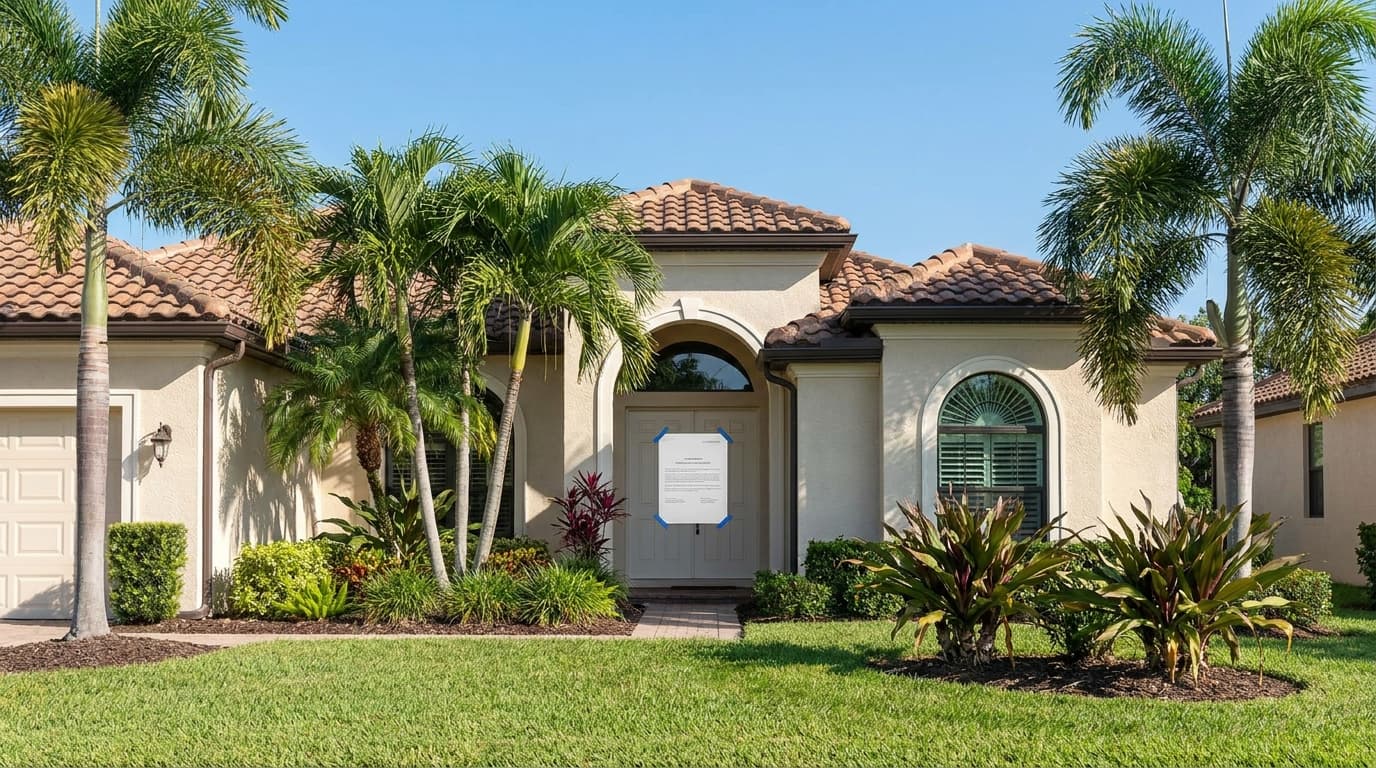

Getting a code enforcement notice about unpermitted work is stressful. You're facing potential fines, forced removal of the work, or liens on your property—and the process feels confusing and overwhelming. But here's the truth: unpermitted work violations in Flagler County are resolvable, and thousands of homeowners navigate this process successfully every year. The key is understanding your options, acting quickly, and knowing exactly which steps to take with the Flagler County Building Department.
This guide walks you through the entire process of resolving an unpermitted work violation in Flagler County, from your first notice to final compliance. You'll learn what triggers enforcement action, what your options are, how much it typically costs, and how to avoid penalties.
What Is an Unpermitted Work Violation in Flagler County?
An unpermitted work violation occurs when you've completed construction, renovation, or structural work without first obtaining a building permit from Flagler County. This might include:
Florida Statute 553 (the Florida Building Code) requires that most construction work be permitted and inspected. Flagler County enforces these requirements through its Building Department and Code Enforcement division. When a violation is discovered—often through a neighbor complaint, property tax assessment, or routine inspection—you'll receive a written notice from the county.
Why Does Flagler County Enforce Permit Requirements?
Permits exist to protect you, your family, and future buyers. They ensure that:
Violations aren't just bureaucratic—they're safety mechanisms. A roof installed incorrectly or electrical work done without code compliance puts your home at risk.
Watch Related Videos on YouTube
unpermitted work violation Flagler County Florida how to fix guide
Step 1: Understand Your Code Enforcement Notice
When you receive a code enforcement notice in Flagler County, read it carefully. This document is your roadmap.
What Information the Notice Contains
Your notice should include:
Warning: The deadline is real. Missing it can result in daily fines ($500–$5,000+), liens on your property, and forced removal of the work at your expense. Read the notice immediately and respond within the timeframe given.
Contact Your Code Enforcement Officer Immediately
Don't wait to respond in writing. Call the Flagler County Code Enforcement Division within 2–3 days of receiving the notice. Ask:
Being proactive and respectful with the code enforcement officer creates a collaborative tone and often leads to more flexible compliance timelines.
Step 2: Know Your Options for Resolution
You have three primary options to resolve an unpermitted work violation in Flagler County.
Option A: Bring the Work Into Compliance (Retroactive Permit)
This is the most common and least disruptive path. You retroactively obtain a permit and have the work inspected.
How it works:Option B: Remove the Unpermitted Work
If the work is substandard, unsafe, or irreparable, the county may require removal.
How it works:Option C: Request a Hearing or Appeal
If you believe the violation notice is incorrect, you can request a formal hearing before the Code Enforcement Board.
How it works:Pro tip: Unless you have strong evidence the notice was issued in error, pursue Option A (retroactive permit). It's faster, cheaper, and resolves the issue permanently.
Step 3: Assess Whether the Work Can Pass Inspection
Before investing in a retroactive permit, determine if the work is likely to pass Flagler County inspection.
Hire a Third-Party Inspection or Assessment
Contact a licensed home inspector or engineer to evaluate the unpermitted work:
Cost: $300–$600 for a professional assessment.
This investment now saves you thousands later if the work doesn't pass county inspection.
Common Issues That Fail Inspection
| Work Type | Common Failure Reasons | Fix Required? |
|---|---|---|
| Electrical | Improper wire gauge, no permits in system, outlets not grounded, panels overloaded | Usually yes (hire electrician) |
| Roof | No structural inspection, improper nailing pattern, inadequate flashing, no hurricane clips | Usually yes (re-roof to code) |
| Addition | No foundation inspection, structural inadequacy, improper windows (impact-rated required), improper ventilation | Likely yes (structural reinforcement) |
| Plumbing | No trap inspection, cross-contamination risk, improper venting, backflow issues | Usually yes (re-plumb sections) |
| HVAC | Improper ductwork, no load calculations, inadequate refrigerant, electrical non-compliance | Sometimes (depends on scope) |
| Deck/Patio | Improper footing depth, non-rated fasteners, structural inadequacy, improper slope | Depends on scope |
If fixes are needed, get contractor quotes before applying for the retroactive permit. The building department needs to know what will be corrected.
Step 4: Obtain a Retroactive Permit (Option A)
If the work is repairable or code-compliant, pursue a retroactive permit.
What You'll Need
The Permit Application Process
Step 1: Contact Flagler County Building DepartmentFor larger projects (additions, structural work, electrical), the county may require plans stamped by a licensed Florida architect or engineer. For smaller work (roof, basic electrical, plumbing), simplified plans or photos may suffice.
Submit the application with:
Flagler County typically reviews within 5–10 business days.
Step 4: Respond to Plan Review CommentsThe county may request revisions (e.g., "Add structural calculations," "Clarify electrical panel capacity"). Make revisions and resubmit.
Timeline: 1–2 weeks per revision cycle (usually 1 cycle is needed).
Step 5: Receive Permit and Schedule InspectionsOnce approved, you'll receive:
For most unpermitted work, inspections include:
Inspection Fees in Flagler County
Typical costs:
What Happens During Inspection
The inspector will:
Important: If the work fails inspection and corrections are major, you may need to hire contractors to fix issues. Budget for this before applying.
Step 5: Manage Contractor Work to Pass Inspection
If corrections are needed, hire licensed contractors.
Hiring Contractors for Code Compliance
When hiring a contractor to fix unpermitted work or handle corrections:
At HomeProBadge, you can search our verified contractor directory filtered by Flagler County and trade specialty (electrical, plumbing, roofing, etc.). Each contractor has passed background and credential verification, and you can review their job portfolios and trust scores.
Cost Estimate for Common Corrections
| Work Type | Typical Correction Cost | Timeline |
|---|---|---|
| Electrical panel upgrade | $1,500–$3,500 | 3–7 days |
| Roof repair to code | $2,000–$5,000 | 1–2 weeks |
| Addition structural fixes | $3,000–$10,000+ | 2–4 weeks |
| Plumbing line replacement | $800–$2,500 | 3–5 days |
| Window/door replacement (impact-rated) | $2,000–$6,000 | 1–2 weeks |
Step 6: Receive Certificate of Compliance and Close the Violation
Once all inspections pass:
The violation is now closed, and the work is fully permitted and insurable.
Step 7: Update Homeowners Insurance and Prepare for Resale
Once resolved, take these final steps:
Notify Your Insurance Company
Send your insurance agent:
This ensures the insured value of your home reflects the improvements and protects you from claim denials.
Document Everything for Resale
When you eventually sell, the Certificate of Compliance is crucial. Real estate buyers and their lenders will:
Keep a file with:
Timeline and Cost Summary for Flagler County
Here's what to expect:
| Stage | Timeline | Cost Range | Notes |
|---|---|---|---|
| Receive notice & assess work | 1–5 days | $0 | Must respond within deadline |
| Third-party inspection (optional) | 3–7 days | $300–$600 | Highly recommended |
| Hire contractors for corrections | 1–2 weeks | $0 (quoted only) | Get multiple estimates |
| Prepare & submit permit | 1–2 weeks | $200–$500 (permit fee) | Add $800–$2,500 if plans needed |
| Plan review & corrections | 1–3 weeks | $100–$300 | Usually 1 revision cycle |
| Inspections & corrections | 2–4 weeks | $50–$150 per inspection + contractor work | Budget for fixes if needed |
| Certificate of Compliance issued | 5 days | $0 | Violation closed |
| Total Timeline | 30–90 days | $500–$5,000+ | Depends on work complexity |
Common Mistakes to Avoid
1. Missing the Deadline
Missing the response deadline in your code enforcement notice triggers automatic fines. Respond immediately.
2. Ignoring the Notice
Ignoring the violation doesn't make it go away. It results in:
3. Hiring Uncertified Contractors for Fixes
Work must be done by licensed contractors and pass county inspection. Cutting corners now means failing inspection later and spending more money.
4. Not Getting a Third-Party Assessment
Before investing in a permit, know if the work can pass. A $400 inspection now saves you $2,000+ in failed corrections later.
5. Assuming All Work Can Be Fixed
Some work—especially DIY electrical, structural, or foundation work—may be unsafe and unsalvageable. Be realistic about what can be brought into compliance.
6. Not Documenting Everything
Keep every receipt, permit, inspection report, and contractor invoice. You'll need these for insurance and future resale.
FAQ: Unpermitted Work Violations in Flagler County
Q: How long do I have to respond to a code enforcement notice?
A: Flagler County typically gives 14–30 days. Check your specific notice. Missing this deadline results in escalating fines. Respond immediately.Q: Can I negotiate the timeline?
A: Yes. Call the code enforcement officer and explain your situation. If you're actively pursuing resolution (hiring contractors, preparing permits), they often grant 30–60 day extensions. Showing good faith matters.Q: What if the violation is from work done by a previous owner?
A: You're responsible. As the current property owner, you must resolve it. However, you can:Act quickly; don't assume it's the previous owner's problem.
Q: Will fines and liens go on my credit report?
A: Yes. Unpaid code enforcement fines become property liens, which affect your credit score and ability to refinance or sell. Resolving quickly protects your credit.Q: Can I sell my home with an unresolved code violation?
A: It's very difficult. Mortgage lenders typically won't finance a property with unresolved violations. Title companies may refuse to insure. Resolve before listing.Q: How much does a retroactive permit cost?
A: $300–$1,500+ depending on work scope. Larger projects requiring architectural plans cost more. Get a quote from Flagler County before proceeding.Q: What if the inspector red-tags the work and says it can't be fixed?
A: You must either:If removal is required, get contractor quotes. Budget $2,000–$10,000+ depending on work scope.
Q: Can I appeal the code enforcement decision?
A: Yes. You have the right to request a hearing before the Code Enforcement Board within 14 days. However, appeals typically take 60–120 days and often result in the violation being upheld. Pursue this only if you believe the notice was issued in error.Q: Will resolving a violation cost more than removing the work?
A: Usually, retroactive permits are cheaper than removal (unless major corrections are needed). Removal costs $2,000–$10,000+. A retroactive permit usually costs $500–$1,500 + contractor corrections. Getting both quotes helps you decide.Q: Do I need an architect or engineer for the permit?
A: Flagler County determines this based on work scope. Smaller projects (single-room additions, roof work) may need only photos and basic drawings. Larger structural work requires stamped plans from a licensed professional. Ask the county during your first call.Q: What happens after the Certificate of Compliance is issued?
A: The violation is closed. Notify your homeowners insurance, keep the certificate in your records, and you're clear. The work is now permitted, insured, and fully compliant. No further action is needed.Q: How do I prevent future violations?
A: Always obtain a permit before starting any construction work—even small projects. Flagler County building permits are inexpensive ($100–$300 for small work) compared to violation fines ($500–$5,000+) and retrofit costs. When in doubt, call (386) 313-4000 and ask.Get Professional Guidance: Flagler County-Specific Permit Violation Action Plans
If you're feeling overwhelmed by the process, you're not alone. Every homeowner in Flagler County facing a code violation has the same questions:
At HomeProBadge, we've created county-specific Permit Violation Action Plans that answer these questions for Flagler County homeowners.
Our AI-generated action plans include:
✓ Step-by-step compliance roadmap tailored to your specific violation type
✓ Flagler County contact information and building department procedures
✓ Realistic cost estimates for permits, inspections, and contractor work
✓ Timeline projections so you know what to expect
✓ Contractor referrals from our verified directory (background-checked, licensed pros)
✓ Insurance guidance on notifying your carrier
✓ Resale documentation templates to prepare for future sale
These plans save homeowners an average of $1,200–$3,500 by helping them avoid costly mistakes and unnecessary work.
Get Your Flagler County Permit Violation Action Plan Now — personalized to your situation, delivered within 24 hours.You'll also get access to HomeProBadge's verified contractor directory, where you can search for licensed, background-checked pros in Flagler County by trade. Each contractor has a trust score based on verified reviews and completed jobs.
Final Thoughts
Receiving a code enforcement notice is stressful, but it's not a dead end. In most cases, unpermitted work in Flagler County can be brought into compliance, the violation resolved, and your home returned to normal—without losing the work you've invested in.
The key is acting quickly, understanding your options, and making informed decisions. Follow the steps in this guide:
Flagler County's building department staff are reasonable and willing to work with homeowners who show good faith. Being proactive, professional, and following the process leads to resolution in 30–90 days.
You've got this—and you don't have to navigate it alone.