

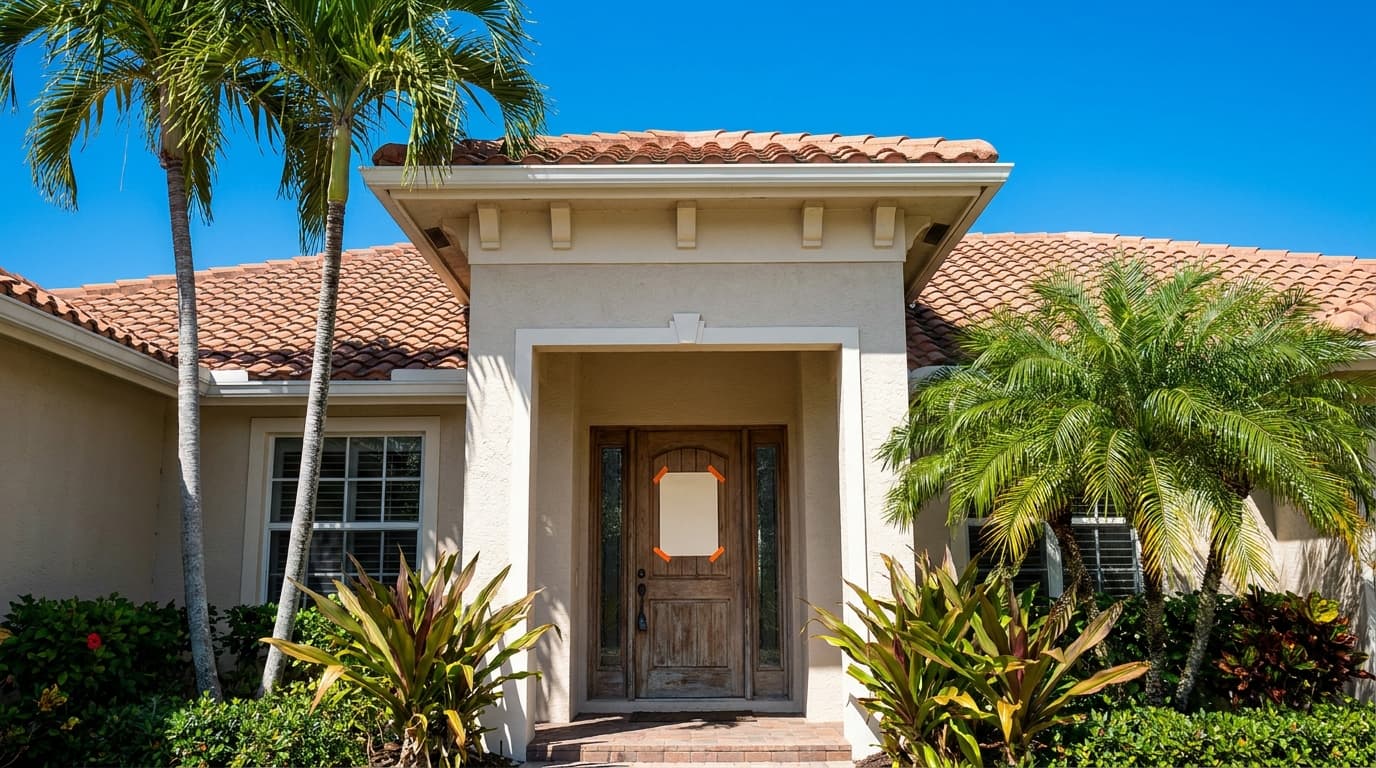

Getting a code enforcement notice about unpermitted work is stressful. You might feel blindsided, confused about what happens next, or worried about fines and forced removal of your improvements. The good news: most unpermitted work violations in Gulf County, Florida, are resolvable. The process is well-defined, your options are clearer than you think, and taking action now—rather than ignoring the notice—puts you in control.
This guide walks you through exactly what to do, how Gulf County's building department evaluates violations, and which path forward makes sense for your situation. Whether your contractor did the work without a permit, or you hired someone who cut corners, you have remedies. Let's get you through this.
Understanding What "Unpermitted Work" Means in Gulf County
Legal Definition and Scope
Unpermitted work is any construction, renovation, alteration, or structural change to your property that should have required a building permit but didn't. In Gulf County, this is governed by Florida Statute 553 (the Florida Building Code) and Gulf County's local building ordinances.
Common unpermitted work violations include:
Minor work—like painting, flooring, landscaping, or routine maintenance—typically doesn't require permits. But anything structural, anything involving MEP (mechanical, electrical, plumbing) systems, or anything that affects the home's footprint or safety usually does.
Why Permits Exist
Permits aren't bureaucratic red tape. They ensure work meets Florida Building Code standards, protects your family and neighbors from unsafe installations, and maintains property records that affect resale value, insurance, and future improvements. When code enforcement finds unpermitted work, it means that work was never inspected by a professional to verify it's safe and code-compliant.
Step 1: Don't Panic — Review the Notice Carefully
When you receive a code enforcement notice, your first instinct might be to toss it aside or panic. Instead, sit down with it and read every word.
What the Notice Should Include
A valid code enforcement notice from Gulf County Building Department should contain:
Document Everything
From this moment forward, keep a file with:
This documentation becomes critical if you need to negotiate or dispute the violation.
Do Not Ignore the Notice
Ignoring a code enforcement notice makes everything worse. Fines accumulate daily in some cases, the county can place a lien on your property, force removal of the work, or pursue legal action. You'll also damage your standing with the building department, making future interactions adversarial. Respond, even if it's just to ask for an extension.
Watch Related Videos on YouTube
unpermitted work violation Gulf County Florida how to fix guide
Step 2: Contact the Gulf County Building Department Immediately
Getting the Right Department
Gulf County's Building Department is part of the Development Services division. You can reach them at:
Ask to speak with the inspector who issued your notice or the supervisor overseeing your case.
What to Say (and Not Say)
Do:Request a Formal Inspection Follow-Up
Ask the building department if they'll conduct a follow-up inspection once you've addressed the violation. This gives you a clear endpoint and prevents the notice from languishing.
Step 3: Understand Your Options (There Are More Than One)
Option A: Permit the Work Retroactively
This is the most common path. You apply for a permit after the fact, the inspector evaluates the work against code, and if it passes, you get a Certificate of Occupancy (CO) or Certificate of Compliance. The violation is resolved.
Pros:Option B: Obtain a Variance or Certificate of Occupancy
If the work is minor or the inspector deems it was built to code (even if unpermitted), the county may issue a Certificate of Occupancy without requiring a full permit redo. This is case-by-case.
Pros:Option C: Remove the Work (Demolition)
If the work is deemed unsafe, non-compliant, or the owner refuses to permit it, the county may order removal. This is the last resort and most expensive path.
Pros:Option D: Negotiate a Compliance Plan
Some counties allow a negotiated remediation schedule. For example: "You have 60 days to obtain a permit and pass inspection; we'll check in at day 45." This buys you time and clarity.
Pros:Step 4: Gather Documentation and Assess the Work Quality
Before moving forward, you need to know: Is this work actually safe and code-compliant?
Hire an Inspector or Engineer (Conditionally)
Consider hiring a private home inspector or structural engineer ($300–$800) to evaluate the unpermitted work. They'll tell you:
This report is valuable when negotiating with the county. If a third-party professional says the work is compliant, the county has harder grounds to force demolition.
Collect Original Contractor Information
If a contractor did the work:
If the contractor was unlicensed or their license is inactive, that's a bigger problem. It may affect your ability to get a retroactive permit and increases your liability.
Document the Work as It Exists
Take clear photos and videos:
Label each photo with date and location. This becomes evidence if you need to dispute the violation or prove compliance.
Step 5: Apply for a Retroactive Permit (If That's Your Path)
What You'll Need
To apply for a retroactive permit in Gulf County, prepare:
The Application Process
Realistic Timeline and Costs
| Cost Component | Estimate |
|---|---|
| Retroactive permit application fee | $150–$400 |
| Inspector time/re-inspection | Included or $200–$500 |
| Code corrections (if needed) | $500–$5,000+ |
| Third-party inspection report | $300–$800 (optional) |
| Total (best case) | $650–$1,700 |
| Total (with corrections) | $1,500–$6,000+ |
Step 6: Coordinate with Your Contractor (If Applicable)
If a contractor did the unpermitted work:
Hold Them Accountable
Mitigation if the Contractor Won't Cooperate
If the contractor:
You may pursue:
Be cautious: Do not engage in disputes with the contractor while the code enforcement case is active. Focus on resolving the violation first; recover costs later if needed.
When to Just Move Forward Alone
If the contractor is unreachable or disputes liability, don't wait. Moving quickly to remedy the violation is in your interest. You can pursue cost recovery later.
Step 7: Complete Corrections and Pass Final Inspection
Once you have a retroactive permit (or compliance plan), the next phase is execution.
Hire Licensed Professionals for Any Corrections
This is critical: If the inspector requires corrections—electrical rework, plumbing fixes, structural reinforcement—hire only licensed, insured professionals. Cutting corners again will lead to the violation being rejected and fines escalating.Get written estimates and ask:
Schedule the Final Inspection
Once corrections are complete:
Receive Your Certificate of Compliance
Once the inspector approves the work, you'll receive:
Request copies of everything and keep them with your deed and home records.
Step 8: Document Resolution and Update Your Records
Create a Home Improvement File
For future resale or refinancing, maintain:
Having this complete record proves due diligence and code compliance to future buyers or lenders.
Disclose the Violation Properly When Selling
Florida law requires sellers to disclose past code violations. Being upfront—showing how you resolved it with permits and inspections—is far better than a buyer discovering it later and using it against you.
Update Your Homeowner's Insurance
Inform your insurance company that the work is now permitted and code-compliant. Some insurers may reduce premiums once code violations are remediated.
How to Prevent This From Happening Again
Permit Every Material Improvement Going Forward
Before hiring any contractor:
Verify Contractor Licensing
Always check:
Services like HomeProBadge make this easier—you can search for verified contractors by county and trade, see their background checks, and review their portfolios. This dramatically reduces the risk of hiring someone who'll cut corners on permits.
Use a Written Contract
Every contractor agreement should include:
A clear contract is your best protection against disputes and violations.
Key Warnings and Common Pitfalls
Don't sell the house before resolving the violation. Most title companies won't close until code enforcement violations are cleared. You'll kill your sale or face heavy discounts if the buyer discovers unpermitted work during their inspection.
Don't assume the work is safe just because it "looks fine." Unpermitted electrical work, plumbing, or structural changes can hide serious hazards. A permitted, inspected work was reviewed by a professional who verifies safety. Unpermitted work wasn't.
Don't work with unlicensed contractors to fix unpermitted work. If the original contractor was unlicensed, hiring another unlicensed contractor to "fix it quietly" will compound the problem and likely prevent you from getting a retroactive permit.
Frequently Asked Questions
Q1: How Long Do I Have to Respond to a Code Enforcement Notice in Gulf County?
A: Typically 14–30 days, but the notice will state the exact deadline. Request an extension immediately if you need more time—most building departments grant 30–60 day extensions.Q2: Will I Definitely Get Fined?
A: Maybe not. If you respond quickly and demonstrate good faith by pursuing a retroactive permit, the building department may waive or reduce fines. If you ignore the notice or refuse to remedy the violation, fines will escalate (sometimes $100–$500 per day).Q3: Can the County Force Me to Remove the Work?
A: Yes, if the work is deemed unsafe, non-compliant beyond repair, or if you refuse to permit it. However, if the work is sound and permittable, most counties prefer a retroactive permit to demolition.Q4: What if the Contractor Refuses to Cooperate?
A: You can proceed without them. Apply for the retroactive permit yourself, hire a different contractor for corrections if needed, and pursue the first contractor for reimbursement later via small claims court or DBPR complaint.Q5: Will This Affect My Home's Resale Value?
A: A resolved violation—with permits, inspections, and certificates on file—has minimal impact. An unresolved violation will significantly reduce value and kill most sales. That's why resolving it now is critical.Q6: Can I Appeal the Violation if I Disagree with It?
A: Yes. Most Florida counties have a formal appeal process. Request an appeal hearing with the building official or code enforcement board. Bring your documentation, third-party inspection report (if applicable), and evidence that the work is safe and compliant.Q7: How Much Will This Cost in Total?
A: Best case: $650–$1,700 (permit, application, inspection). Realistic case: $2,000–$5,000 (if corrections are needed). Worst case: $10,000–$25,000+ (if major rework or removal is ordered).Q8: Can I Just Get Homeowner's Insurance to Cover the Violation?
A: No. Insurance doesn't cover code violations. However, some policies may cover liability resulting from an unpermitted installation (injury, damage). Your policy likely won't pay remediation costs.Q9: What if I Inherited the Home with Unpermitted Work?
A: You're still the property owner and responsible for violations. However, you can argue that you didn't commit the violation, which may help in appeals or negotiations for extended timelines.Q10: Can I Appeal to the County Commission if the Building Department Denies My Retroactive Permit?
A: Yes. Most counties allow administrative appeals to the code enforcement board or county commission. Consult with a local construction attorney before appealing—there are specific procedural requirements.Next Steps: Get a County-Specific Action Plan
Every unpermitted work situation is unique, and Gulf County has specific rules, fee schedules, and inspector preferences. Navigating this alone can be time-consuming and costly if you misstep.
HomeProBadge offers AI-generated, county-specific Permit Violation Action Plans designed for Gulf County homeowners. When you enter your property details and violation information, you get:Instead of weeks of research and calls, you'll have clarity within hours. Visit HomeProBadge to generate your action plan and start resolving the violation today.
You've got this. Thousands of Florida homeowners have successfully remedied unpermitted work violations. The key is responding promptly, understanding your options, and following the process. The violation is stressful now, but it's fixable—and fixing it protects your property, your family, and your financial investment for the long term.