

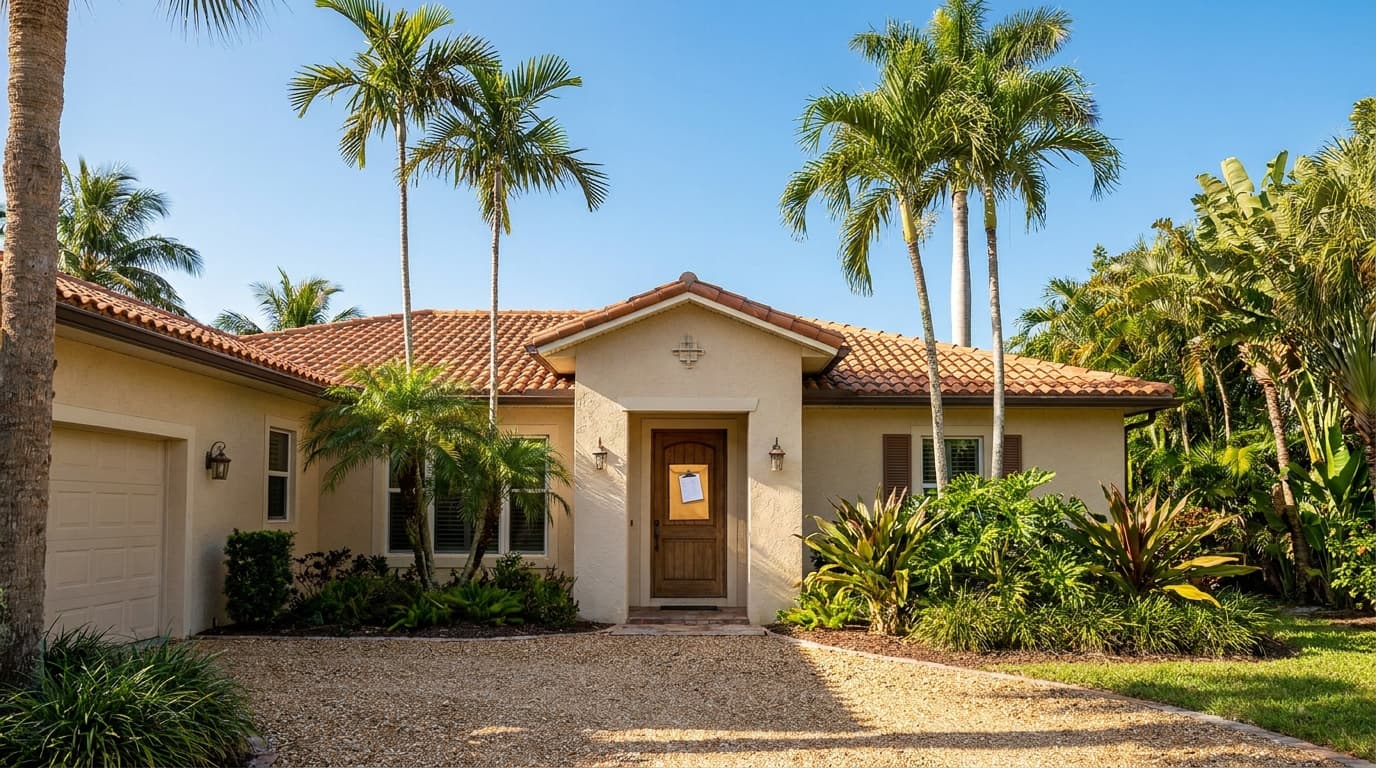

Receiving a code enforcement notice for unpermitted work is stressful. You're suddenly facing potential fines, liens, or mandatory removal of the work—and you may not even understand how it happened or what your options are. If you're a homeowner in Hendry County dealing with an unpermitted work violation, you're not alone. Hundreds of Hendry County residents face similar situations every year, often because they hired a contractor who cut corners, didn't realize a permit was required, or attempted a DIY project without checking local regulations.
The good news: unpermitted work violations in Hendry County are resolvable. Most violations don't result in demolition or catastrophic penalties if you take action quickly and follow the correct procedures. This guide walks you through exactly how to respond to a code enforcement notice, what the Hendry County building department requires, and the fastest pathway to compliance.
Understanding what you're facing and taking structured steps—rather than ignoring the notice or panicking—gives you control over the outcome. Let's break this down.
What Is an Unpermitted Work Violation in Hendry County?
An unpermitted work violation occurs when construction, renovation, repair, or structural modification is performed without obtaining the required building permit from Hendry County before starting work. Under Florida Statute 553 (Florida Building Code), all work that affects the structural integrity, mechanical systems, electrical systems, plumbing, or safety features of a building requires a permit.
Unpermitted work violations are identified by:
When Hendry County Code Enforcement discovers unpermitted work, they issue a Notice of Violation (NOV). This notice specifies:
Critical: Ignoring a Notice of Violation will not make it disappear. Hendry County Code Enforcement has authority to issue daily fines ($50–$500+ per day), place a lien on your property, or order demolition of non-compliant work.
Why Hendry County Enforces Unpermitted Work Regulations
You might wonder why unpermitted work is such a big deal. The answer is safety, taxes, and public records.
Unpermitted work often:
Hendry County Code Enforcement isn't trying to punish you—they're enforcing state law (Florida Statute 553) to protect public safety and property records integrity.
Step 1: Document the Notice of Violation and Gather All Related Paperwork
Your first action is to collect and organize everything related to the violation.
What to Gather
- Exact violation description
- Compliance deadline
- Case number and inspector's name
- Required next steps
Read the Notice Carefully
Code Enforcement notices are formal legal documents. Pay close attention to:
Pro Tip: Take a photo of the original Notice of Violation with the date stamp and case number. This proves you received it on [date] if there's ever a dispute about timeline.
Watch Related Videos on YouTube
unpermitted work violation Hendry County Florida how to fix guide
Step 2: Contact the Hendry County Building Department Immediately
Do not wait for the deadline to pass. Contact the Hendry County Building Department as soon as you receive the violation notice.
Hendry County Building Department Contact Information
Hendry County Code Enforcement / Building DepartmentWhat to Say When You Call
Be professional, honest, and action-oriented:
Why This Matters
Most Hendry County inspectors are reasonable and will work with you if you demonstrate good faith. Calling early shows you take the violation seriously and aren't trying to hide or delay. Inspectors have discretion in how violations are resolved, and cooperation increases your chances of a favorable resolution path.
Key Action: Email a follow-up message after your phone call summarizing what the inspector told you. Write: "Per our conversation on [date], I understand I need to [action]. I will have [permit application/contractor estimate/documentation] submitted by [date]. Please confirm I'm on the right track." This creates a paper trail and clarifies expectations.
Step 3: Determine Your Resolution Path
There are typically three pathways to resolve unpermitted work in Hendry County. Your inspector will help determine which applies to your situation.
Path A: Retroactive Permit Application
When it applies: Work is completed and safe, but no permit was obtained beforehand. How it works:Path B: Compliance Plan (Correction Order)
When it applies: Work is incomplete, partially non-compliant, or requires code corrections. How it works:Path C: Removal (Demolition)
When it applies: Work is unsafe, fundamentally non-compliant, or unauthorized on the property (e.g., built on setback violation). How it works:Resolution Path Decision Matrix
| Scenario | Recommended Path | Timeline | Cost Range |
|---|---|---|---|
| Deck or shed built without permit, structurally sound | Retroactive Permit (Path A) | 2–6 weeks | $300–$2,000 |
| Electrical/plumbing work incomplete or non-compliant | Compliance Plan (Path B) | 2–4 months | $1,500–$10,000 |
| Roof or structural work bypassed inspection | Compliance Plan (Path B) | 1–3 months | $2,000–$15,000 |
| Unpermitted addition on setback or restricted area | Removal (Path C) | 30–90 days | $3,000–$20,000 |
| Interior remodel done without permits, passed informal inspection | Retroactive Permit (Path A) | 3–8 weeks | $400–$3,000 |
Step 4: Hire a Licensed Contractor (If Required)
If your resolution path requires corrections or remediation, you need a licensed contractor. This is non-negotiable—Hendry County will not accept work from unlicensed individuals.
Finding a Qualified Contractor in Hendry County
- License is active (not expired or inactive)
- License type matches the work required (electrical, plumbing, general, etc.)
- No active complaints or disciplinary history
- Exact scope of work (match the Code Enforcement order)
- Materials and labor costs separately
- Permit and inspection fee responsibility
- Timeline and start/completion dates
- Warranty or guarantee
- Was the contractor professional and on-time?
- Did the work pass inspection on the first try?
- Any surprises or change orders?
- Would you hire them again?
Get Everything in Writing
Before work begins:
Warning: Never pay a contractor in full upfront. Typical payment schedule: 30% deposit, 50% at mid-point inspection, 20% on completion and final inspection approval. This protects you if work is incomplete or non-compliant.
Step 5: Submit Permit Applications and Documentation
Someone—either you or your contractor—must submit the required permit applications and documentation to Hendry County Building Department.
Required Documents (Varies by Violation Type)
For Retroactive Permit (Path A):Submission Process
Step 6: Schedule and Prepare for Inspections
Once your application is submitted and accepted, Hendry County will schedule inspections.
What to Expect
How to Prepare
Step 7: Obtain Final Approval and Close the Violation
Once all inspections pass, Hendry County issues a final approval document.
What You'll Receive
What This Means
Protect Your Records
Ongoing: Keep the permit number and Certificate of Compliance in your property file forever. Future buyers, lenders, and inspectors will ask for proof of permits.
Common Mistakes That Delay Resolution
Avoid these pitfalls:
| Mistake | Why It Delays | How to Avoid |
|---|---|---|
| Ignoring the Notice of Violation | Automatic fines and escalation begin on deadline | Call within 7 days of receipt |
| Hiring an unlicensed contractor for corrections | Work won't pass inspection; must be redone | Verify contractor license at DBPR before hiring |
| Submitting incomplete permit applications | Application gets rejected; resubmission required | Call Hendry County first and ask for a checklist |
| Missing inspection appointments | Inspector closes case and escalates to fines | Confirm inspection dates in writing; set calendar reminders |
| Making unauthorized changes to approved plan | Requires new inspections; timeline extends | Stick to the approved scope; request modification if needed |
| Not documenting corrective actions | County has no record of your compliance effort | Photograph completed work; keep receipts and contractor invoices |
Financial Assistance and Payment Options
If the cost of resolution is overwhelming, explore these options:
Payment Plans with Hendry County
Some jurisdictions offer payment plans for permit fees and fines. Call Code Enforcement and ask: "Does Hendry County offer payment arrangements for permit and compliance costs?"
Contractor Financing
Large contractors sometimes offer 6–12 month financing at reasonable rates. Ask when getting bids.
Home Improvement Loans
You may qualify for a personal or home equity line of credit (HELOC) to fund corrections. Check with local banks and credit unions.
Negotiating Fines
If significant time has passed and fines have accumulated, contact Code Enforcement supervisor and request a fine reduction in exchange for prompt corrective action. This sometimes works if you demonstrate good faith.
FAQ: Unpermitted Work Violations in Hendry County
Q: What happens if I ignore a Notice of Violation?
A: Hendry County will escalate enforcement. Fines typically begin at $50–$100/day and increase. After 30–60 days, the county may place a lien on your property, preventing sale or refinancing. If the violation remains unresolved for months, the county may order demolition. Ignoring it is the worst possible action.
Q: Can I sell my house if there's an unpermitted work violation?
A: Technically yes, but not easily. Most lenders will not finance a property with active code violations. Buyers will demand the violation be resolved before closing. It's far better to resolve it before listing the property.
Q: How much does a retroactive permit cost in Hendry County?
A: Retroactive permit fees typically range from $150–$500 depending on work type and property value. Call the Building Department for a specific quote. Corrections (if the work is non-compliant) can cost significantly more.
Q: Can the contractor who did the unpermitted work be held liable?
A: Yes. If a licensed contractor performed unpermitted work without your knowledge, you can file a complaint with the Florida DBPR. However, as the property owner, you're ultimately responsible for ensuring permits were obtained. The contractor may have contractual liability (you could sue for damages), but focus first on resolving the violation with Hendry County.
Q: Do I need to disclose unpermitted work violations when selling my home?
A: Legally yes. Florida requires sellers to disclose code violations. Failing to disclose can result in fraud liability and lawsuit from the buyer. Always disclose and resolve before sale.
Q: What if the unpermitted work is on my neighbor's property (they built on my land)?
A: This is a boundary dispute combined with a code violation. Document the encroachment with photos and surveyor evidence. Report it to Code Enforcement and consult a property attorney. Resolution may involve court action or negotiated settlement.
Q: How long does the entire resolution process take?
A: Simple cases (retroactive permits for completed, compliant work): 2–6 weeks. Moderate cases (corrections needed): 2–4 months. Complex cases (structural or major system work): 3–6 months or longer. Early action speeds up the timeline.
Q: Will this affect my property taxes or homeowner's insurance?
A: Possibly. Unpermitted work may trigger a property reassessment (increasing taxes) if it increases property value. Insurance may deny claims related to unpermitted work, or drop you entirely. Once resolved and on the permit record, insurance risk decreases, but tax reassessment may stick. Consult your tax assessor and insurer.
Q: What if I inherited the property and just discovered unpermitted work?
A: You're still responsible, but Code Enforcement may grant extended timelines if you're a recent heir. Explain the situation when you contact them. Get legal advice about the prior owner's liability.
Q: Can I hire a consultant to help navigate this?
A: Yes. Permit expeditors or construction compliance consultants can help manage the process, though this adds cost ($500–$2,000). For straightforward cases, you can handle it yourself by following this guide and staying organized.
Take Action Today: Get Your Hendry County Permit Violation Action Plan
Navigating an unpermitted work violation is stressful, but it's completely solvable if you act quickly and follow a clear process. The six steps in this guide—documenting the violation, contacting Hendry County, determining your resolution path, hiring contractors, submitting permits, and passing inspections—form a proven roadmap to compliance.
However, every situation is unique. The specifics of your violation, the county's requirements, and your financial constraints affect the exact approach.That's where HomeProBadge comes in. HomeProBadge offers county-specific Permit Violation Action Plans designed for Hendry County homeowners. Our AI-powered system generates a customized, step-by-step resolution plan tailored to your specific violation, your county's requirements, and your timeline. You get: