

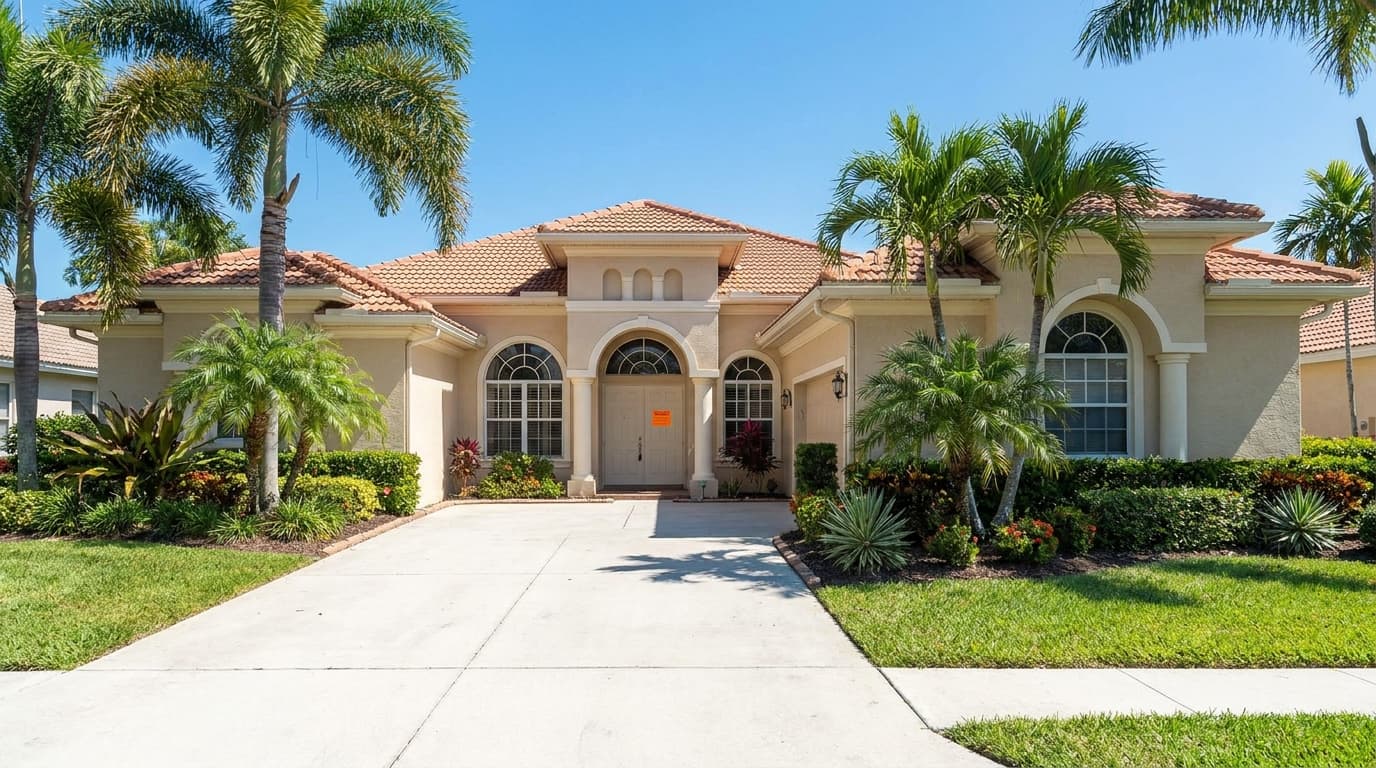

Receiving a code enforcement notice for unpermitted work in Hernando County is stressful. You may not have realized you needed a permit, the previous owner didn't pull one, or you simply want to make things right now. The good news: Hernando County has a clear pathway to resolve violations, and most homeowners can navigate it successfully with the right guidance. This guide walks you through every step—from understanding the violation itself to submitting compliance documentation and working with the county's building department. We'll cover Hernando County–specific procedures, timelines, costs, and what to expect at each stage.
Step 1: Understand the Violation Notice
What You're Actually Looking At
When Hernando County Code Enforcement issues a notice for unpermitted work, it contains critical information you need to act on. The notice will typically include:
Read It Carefully (Don't Skip This)
Most homeowners panic and miss critical details. Sit down with the notice and a highlighter. Identify:
Key Warning: Do not ignore the notice. Ignoring code enforcement violations in Hernando County can result in daily fines ($50–$500+), liens on your property, and civil action by the county. Time is your friend here—the sooner you engage, the faster you resolve it.
Common Violation Types in Hernando County
Unpermitted work violations typically fall into these categories:
| Violation Type | Examples | Typical Resolution |
|---|---|---|
| Structural/Major | Room addition, pool, deck, building structure | Obtain retroactive permit + inspection |
| Mechanical Systems | HVAC, plumbing, electrical work | Permit + inspection + system upgrade if needed |
| Exterior Alterations | Roof work, siding, windows, doors | Permit + inspection verification |
| Interior Modifications | Drywall, flooring, cabinetry (minor) | May qualify for expedited/simplified permitting |
| Accessory Structures | Shed, gazebo, carport, fence | Permit + setback/lot-line verification |
| Site/Drainage | Grading, fill, stormwater changes | Engineering review + remediation |
Watch Related Videos on YouTube
unpermitted work violation Hernando County Florida how to fix guide
Step 2: Contact Hernando County Code Enforcement Immediately
Get the Right Department and Officer
Hernando County Code Enforcement is housed within the Department of Community Development. This is not the building department—it's the enforcement arm. You need:
Hernando County Code EnforcementAsk for your assigned code enforcement officer by name. If you don't have their name from the notice, ask the receptionist for it. Building a relationship with your officer is crucial—they're not your enemy, and they want to see violations resolved, not escalated.
Schedule a Pre-Compliance Conference (Highly Recommended)
Before you do anything else, request a pre-compliance conference with your code enforcement officer. This is a formal meeting where you:
This conversation should be documented in writing. After the call, send an email to your officer summarizing what was discussed and the action items you've committed to. This creates a paper trail and shows good faith.
Pro Tip: Many code violations can be resolved faster and cheaper when the homeowner proactively engages. Officers see hundreds of cases—the ones that get neglected escalate. You don't want escalation.
Step 3: Determine Your Resolution Path
Path A: Retroactive Permit (Most Common)
For most unpermitted work in Hernando County, the solution is obtaining a retroactive permit. This allows the work to be brought into compliance retroactively. The steps are:
Path B: Removal/Restoration
If the work cannot be made compliant (rare but it happens—e.g., a structure encroaches on a setback that cannot be moved), you may be required to remove or restore the work. Your code enforcement officer will make this clear. If removal is mandated:
This path is less common and typically reserved for serious violations or code conflicts.
Path C: Variance or Conditional Use
In rare cases, your code enforcement officer may suggest applying for a variance or conditional use permit if the work technically violates current code but is otherwise safe and reasonable. This involves a more formal process with the county's planning board. Your officer will guide you if this applies.
Step 4: Work With Licensed Contractors and Engineers
Why You May Need Professional Help
Unless you're highly knowledgeable about building code and design, you'll need help preparing retroactive permit documentation. The county wants to see:
For complex work (additions, electrical, plumbing, HVAC, structural modifications), hiring an engineer is non-negotiable. The cost is typically $500–$2,000, but it's far cheaper than fines.
Finding Verified Contractors in Hernando County
When hiring someone to help with your retroactive permit, verify they're licensed and have a clean record. The HomeProBadge directory lets you search for verified contractors in Hernando County by trade—electrician, plumber, engineer, general contractor, etc. Each listing includes background checks and verified credentials, so you know who you're hiring.
Alternatively:
What to Ask Your Contractor/Engineer
Step 5: Prepare and Submit the Retroactive Permit Application
Gather Required Documents
Before heading to the Hernando County Building Department, compile:
Submit to Hernando County Building Department
Location: Hernando County Community Development DepartmentWhen you submit, get a receipt or confirmation number. This is your proof of submission.
Critical Step: Do not assume the county received your application. Follow up by phone within 1 week. Confirm the permit number, review process, and estimated inspection date.
Step 6: Navigate the Permit Review and Inspection Process
What to Expect After Submission
Once your retroactive permit application is submitted, here's the typical timeline:
Week 1–2: Initial document review. The county may request additional information (more detailed plans, engineer clarification, etc.). Respond within 5 business days of any requests. Week 2–4: Plan review by Hernando County staff. They're checking that your as-built work meets current Florida Building Code (Florida Statute 553). For structural work, this may involve third-party engineering review, which adds 1–2 weeks. Week 4–6: Permit issuance (if approved without modifications). You'll receive a permit number and inspection scheduling information. Week 6–8: Inspection scheduling. You'll contact the inspector to set up a time. The inspector will visit your property and verify the work matches the approved plans and meets code. Pass/Fail: If work passes inspection, you're done—a Certificate of Compliance is issued, and the violation is resolved. If work fails (non-compliant with code), you'll need to remediate. The inspector will outline what needs to change.Communicating With the Permit Review Team
Be responsive and professional:
Inspection Day Checklist
When your inspection is scheduled:
Step 7: Resolve Any Inspection Issues
If Work Fails Inspection
If your inspector finds non-compliance, you have options:
Option 1: Remediate the work — Hire a contractor to bring it into code compliance and schedule a re-inspection. This is the most common path. Option 2: Request a variance or modification — If the issue is minor, ask your code enforcement officer if the county will grant an exception. (This is rare and typically requires approval by the planning board.) Option 3: Remove the work — If remediation is cost-prohibitive or impossible, remove the unpermitted structure/system entirely.Your code enforcement officer will advise which option applies to your situation.
Typical Inspection Failures and Fixes
| Common Failure | Typical Remedy | Timeline |
|---|---|---|
| Electrical work not up to current code | Hire licensed electrician to upgrade circuits, grounding, outlets | 1–2 weeks |
| Structural inadequacy | Engineer-designed reinforcement or remediation | 2–4 weeks |
| Setback/lot-line violation | Minor relocation (if possible) or variance request | 2–6 weeks |
| Drainage/grading non-compliance | Re-grade site or add stormwater management | 1–3 weeks |
| Roofing materials incorrect | Re-roof with approved materials | 1–2 weeks |
Step 8: Obtain Final Compliance and Close the Violation
What a Certificate of Compliance Looks Like
Once your inspection passes, the county will issue a Certificate of Compliance. This is a formal document stating that the previously unpermitted work has been brought into compliance with Hernando County code and Florida Building Code. You'll receive this in the mail or can pick it up at the Building Department.
Keep this certificate forever. When you sell the property, provide it to the buyer's title company and real estate attorney. It removes any title cloud or concern about unpermitted work.Close the Code Enforcement Case
Once you have the Certificate of Compliance, send it to your original code enforcement officer with a note stating that the violation has been resolved. Ask for written confirmation that the case is closed. This final step ensures that:
What If You Sold the Property?
If you've already sold the property or if the code violation was discovered during your ownership but you didn't know about it until now, the violation may transfer to the current owner. Notify them immediately—they'll need to resolve it. If you're the current owner dealing with a previous owner's violation, you have the same responsibility to cure it.
Step 9: Avoid Future Violations
Permitting Best Practices Going Forward
Now that you've resolved this violation, avoid repeating the mistake:
Takeaway: Hernando County's Building Department is not your enemy. They exist to ensure homes are safe, insurable, and code-compliant. Working with them proactively is always faster and cheaper than fighting violations.
Hernando County Contacts and Resources
| Resource | Contact | Purpose |
|---|---|---|
| Code Enforcement | (352) 754-4027 | Report violations, confirm compliance path |
| Building Department | (352) 754-4027 | Submit permits, schedule inspections |
| Community Dev. Website | hernandocountyfl.us | Permit forms, fee schedules, code documents |
| County Main Line | (352) 754-4027 | General info, department transfers |
| Property Appraiser | hernandocountypa.com | Folio number, ownership verification |
| Contractor License Verification | myfloridalicense.com | Verify contractor licensing |
Frequently Asked Questions
Q: How much will a retroactive permit cost?
A: Retroactive permit fees in Hernando County typically range from $50–$150, depending on the scope of work. Complex work requiring engineering review may cost more. Call (352) 754-4027 for a specific fee quote based on your situation.Q: How long does the entire process take?
A: From violation notice to Certificate of Compliance, expect 6–12 weeks if there are no complications. Simple violations (minor electrical, interior work) may resolve in 4–6 weeks. Complex structural work can take 3–6 months if engineering remediation is needed.Q: Can I appeal a code enforcement violation?
A: Yes. If you believe the violation citation is incorrect or you disagree with the county's assessment, you can request a hearing before the Code Enforcement Hearing Officer. Your code enforcement officer will explain the appeal process. File within the timeframe specified in your notice (typically 15–30 days).Q: What if I can't afford to fix the violation right now?
A: Communicate with your code enforcement officer immediately. Some violations allow a reasonable timeline for compliance, and extensions are sometimes granted if you show good faith effort. Ignoring the notice is guaranteed to result in fines. Engaging with the county is your best option.Q: Will the violation affect my ability to sell my home?
A: Yes, if unresolved. Title companies and real estate attorneys will flag unpermitted work as a liability. Buyers may require you to remediate before closing or may sue you after purchase for breach of warranty. Resolve the violation before listing to avoid complications.Q: Do I need a lawyer to resolve a violation?
A: For most straightforward violations, no. A code enforcement officer can walk you through the process. However, if the county is pursuing civil action, fines are steep, or you're in an appeal, consulting a real estate attorney (costs $1,500–$5,000) may be worthwhile.Q: What if previous owners did unpermitted work and I just found out?
A: You're still responsible as the current property owner. Contact Code Enforcement immediately and begin the resolution process. If the code violation is recent (within 30–90 days of notice), you may have time to remedy it before fines escalate.Q: Can I get a permit for work that's already been done?
A: Yes—this is exactly what a retroactive permit is for. As long as the work is safe and can be brought into code compliance, you can obtain a retroactive permit.Q: What happens if I ignore a code violation notice?
A: Daily fines typically accrue ($50–$500+ per day, depending on violation severity). The county can place a lien on your property, pursue civil action, or even criminally prosecute in extreme cases. Property transfers may be blocked. Ignoring the notice is the worst possible path.Q: How do I know if work needs a permit in Hernando County?
A: When in doubt, call Code Enforcement at (352) 754-4027 or visit hernandocountyfl.us. Generally, any structural, electrical, plumbing, HVAC, or exterior work (roof, siding, windows) requires a permit. Minor interior cosmetic work (paint, flooring, fixtures) may not. Ask before you start.Get Professional Help: Hernando County Permit Violation Action Plan
Navigating code violations is stressful, but you don't have to do it alone. HomeProBadge offers a County-Specific Permit Violation Action Plan tailored to Hernando County rules and procedures. Here's how it works:
Most homeowners complete their violation resolution 2–3 weeks faster with a clear, written plan in hand. The cost is minimal ($29–$49), and the peace of mind is invaluable.
Visit homeprobage.com to get your county-specific action plan today. Include your violation notice or description, and you'll have a personalized roadmap to compliance within 24 hours.Final Thoughts
Unpermitted work violations in Hernando County are resolved every day. The process is straightforward: understand the violation, contact Code Enforcement, prepare documentation, submit a retroactive permit, pass inspection, and obtain compliance. Yes, it takes time and effort, but it's completely manageable when you know the steps.
Your code enforcement officer is not your adversary—they want to see violations resolved. Engage proactively, respond to requests promptly, and hire professional help when needed. Most homeowners who follow this playbook resolve their violations within 2–3 months and move forward with confidence.
If you're uncertain about any step, call (352) 754-4027 and ask. That's what they're there for. And if you want a personalized roadmap tailored to Hernando County's specific requirements, HomeProBadge's Permit Violation Action Plan is your fastest path to compliance.