

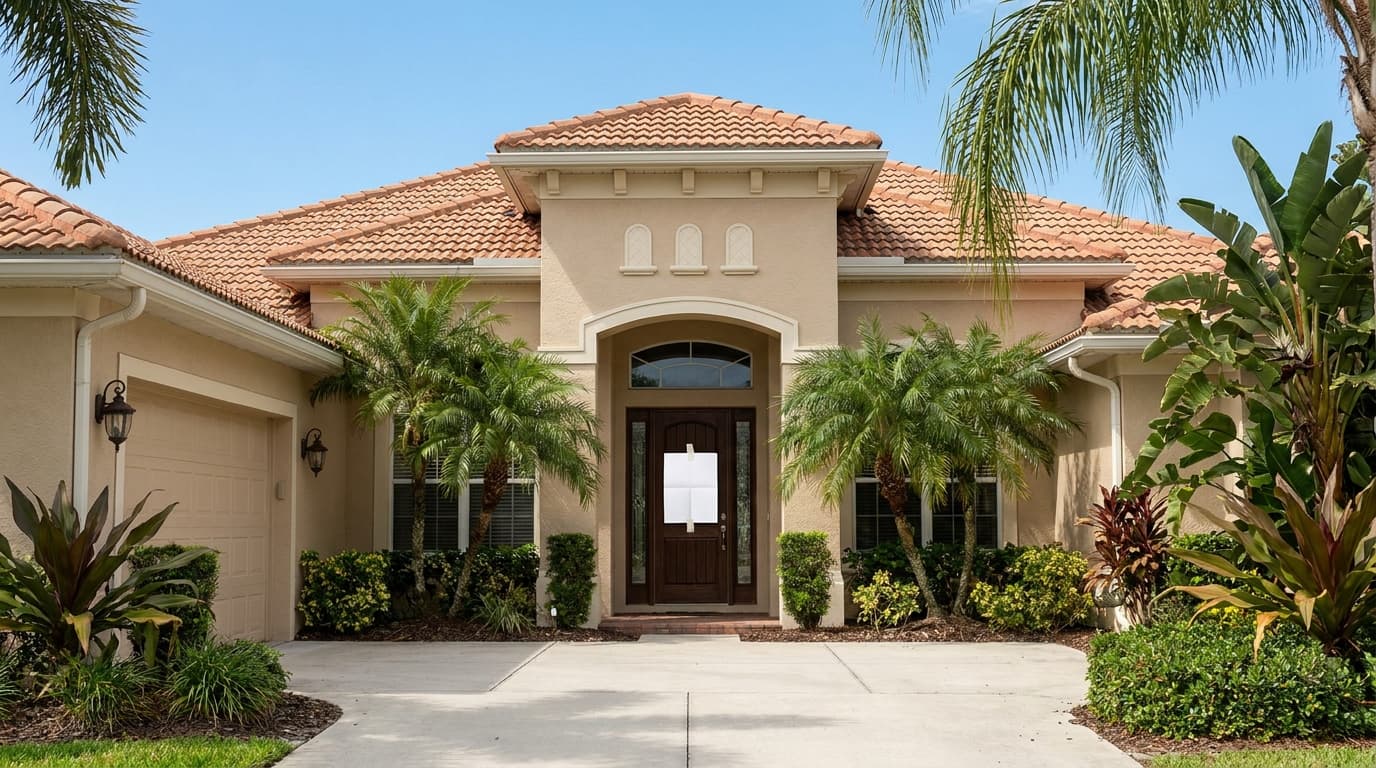

If you've received a code enforcement notice about unpermitted work on your Lafayette County property, you're not alone—and you're not without options. Unpermitted work violations can feel overwhelming, especially when you're facing potential fines, mandatory remediation, or liens against your home. But the path forward is clearer than you might think. This guide walks you through exactly what to do, how Lafayette County's building department operates, and the practical steps to get back into compliance.
Whether the unpermitted work was done by a previous owner, a contractor who cut corners, or a DIY project that slipped through the cracks, the county doesn't care about blame—they care about resolution. The good news: most violations can be resolved without demolition, and many homeowners successfully navigate this process without legal representation.
Understanding Unpermitted Work Violations in Lafayette County
What Counts as Unpermitted Work?
Unpermitted work in Lafayette County means any construction, renovation, structural change, electrical work, plumbing, HVAC installation, pool construction, or similar activity completed without an approved building permit from the Lafayette County Building Department. Florida Statute 553.721 makes it clear: most construction work requires a permit and inspection before it begins and again upon completion.
Common unpermitted work violations include:
In Lafayette County specifically, the county uses a combination of citizen complaints, property inspections, and building records reviews to identify unpermitted work. Once flagged, the county issues a Notice of Violation (NOV) or Notice of Code Enforcement (NCE) giving you a deadline to respond—typically 30 days.
Why Permits Matter: The Legal Framework
Florid Statute 553 requires permits to ensure work meets the Florida Building Code. Unpermitted work:
Lafayette County enforces these rules through its Building Department, which operates under state authority. When the county identifies unpermitted work, they're acting on a legal mandate—this isn't negotiable, but the resolution path is.
Step 1: Understand the Notice You Received
Decoding Your Notice of Violation
When you receive a Notice of Violation (NOV) or Notice of Code Enforcement (NCE) from Lafayette County, read it carefully. It should contain:
WARNING: Do not ignore the notice. Failure to respond within the deadline can result in escalation to code enforcement board hearings, liens placed on your property, or civil court action. Each day of non-compliance may incur additional fines.
Contact Information for Lafayette County Building Department
Lafayette County Building Department
1000 Old Spanish Trail, Mayo, FL 32066
Phone: (386) 294-1290
Website: lafayettecountyfl.gov
When you call, have the following ready:
Watch Related Videos on YouTube
unpermitted work violation Lafayette County Florida how to fix guide
Step 2: Assess Your Options for Resolution
Option A: Retroactive Permitting (Legalization)
Retroactive permitting is often the fastest and least expensive path. If the work was done properly but simply wasn't permitted, Lafayette County will allow you to apply for a permit after the fact. You'll need:
The building department will then inspect the work against current codes. If it substantially complies, they issue a permit and a Certificate of Completion. If it doesn't comply, you'll need to bring it up to code (more on that below).
Timeline: 2–4 weeks if work passes inspection Cost: Permit fee + inspection fee (usually under $1,000 total)Option B: Bring Work Up to Code
If the work doesn't meet current Florida Building Code standards, you'll need to remediate it. This means either:
Common remediation includes:
You'll hire a licensed contractor (verify they're actually licensed), complete the work, request inspection, and receive approval.
Timeline: 3–8 weeks depending on complexity Cost: $2,000–$15,000+ (varies widely)Option C: Variance or Exception Request
If bringing the work fully up to code is infeasible or unreasonably expensive, you can request a variance or exception from Lafayette County. This is harder to obtain but sometimes possible, particularly for older homes or unique situations.
Variance requests require:
Option D: Demolition/Removal
If the violation is severe and remediation is infeasible or too costly, you can remove the unpermitted work entirely. This is often a last resort but sometimes the most practical solution.
You'll need:
| Resolution Option | Timeline | Cost Range | Best For |
|---|---|---|---|
| Retroactive Permitting | 2–4 weeks | $100–$1,000 | Work done properly but not permitted |
| Bring to Code | 3–8 weeks | $2,000–$15,000 | Work done incorrectly; fixable |
| Variance Request | 8–12 weeks | $200–$3,500 | Hardship cases; cost-prohibitive compliance |
| Demolition | 1–3 weeks | $2,000–$7,000 | Severe violations; removal is simplest |
Step 3: Gather Documentation and Evidence
What to Collect Right Away
- Blueprints or sketches
- Building plans
- Contractor proposals or bids
- Work orders
- Photos of the work during completion
- Receipts for materials
- Invoices from contractors
- Proof of payment
- Warranty documents
- Name and license number
- Contact information
- Insurance certificate (if applicable)
- History of work (was this their only job on your property?)
- Deed to your property
- Title insurance policy
- Previous permits and inspections
- Property survey (if relevant)
- Current photos of the unpermitted work
- Before and after photos if available
- Photos showing structural safety or defects
TIP: Get organized now. Create a folder (physical or digital) with all documentation clearly labeled. This makes communication with the county easier and shows good faith effort to resolve the violation.
If you don't have original plans, the county may allow you to submit "as-built" drawings—plans that show what was actually constructed. You can hire a draftsperson or engineer to create these ($500–$2,000).
Step 4: Contact Lafayette County Building Department Officially
File Your Response
Within the deadline on your notice (typically 30 days), submit a written response to Lafayette County. Your response should include:
[Your Name]
[Your Address]
[Date]
Lafayette County Building Department
1000 Old Spanish Trail
Mayo, FL 32066
RE: Notice of Code Enforcement Violation, Case #[if provided]
Property: [Your Address]
Dear Code Enforcement Officer [name, if known]:
I acknowledge receipt of the Notice of Code Enforcement dated [date] regarding unpermitted [work description] at the above property.
I am committed to resolving this violation and propose the following action: [retroactive permitting / remediation / demolition / variance request].
I have gathered documentation of the work (attached) and am prepared to apply for [permit type] and schedule inspection by [specific date]. I anticipate completing this process by [date], which is [X weeks] from today.
Please contact me at [phone] or [email] if you need additional information or have questions.
Respectfully,
[Your Signature]
[Your Printed Name]
Submit this response in person, by email, or by certified mail to ensure proof of receipt.
Meet with the Code Enforcement Officer (Optional but Recommended)
After submitting your written response, request an in-person meeting with the building official or code enforcer assigned to your case. This personalizes the process and allows you to:
Bring your documentation folder and be honest about challenges you're facing. Most county officials are reasonable and want to see violations resolved.
Step 5: Obtain a Permit (If Pursuing Retroactive Permitting)
Apply for the Appropriate Permit Type
The permit type depends on the work:
You can apply for multiple permits simultaneously if the work involves several trades.
The Application Process
Plan Review and Corrections
If your plans don't meet code, the county may issue a "Request for Information" (RFI) asking for corrections or clarifications. This is normal and not a rejection. You'll have 10–15 days to respond with revised plans.
Cost of revisions: Usually free if you're making minor changes; $200–$500 if you need professional helpStep 6: Schedule and Pass Inspections
How Inspections Work in Lafayette County
Once you have a permit, the county will schedule inspections at key stages:
Inspectors check against the current Florida Building Code. They're looking for:
Preparing for Inspection
If the inspector identifies non-compliant work, they'll issue a report noting the deficiencies. You'll have a deadline (usually 10–15 days) to correct them and request re-inspection.
TIP: Minor deficiencies are common and fixable. Don't panic if the inspector finds issues on the first inspection. Most violations can be corrected with adjustments to materials, spacing, or installation technique.
Receiving the Certificate of Completion
Once the inspector approves the work, you'll receive a Certificate of Completion (also called a Certificate of Use and Occupancy). This officially documents that the work now complies with code. Keep this document permanently—you'll need it for insurance, home sale, or future permits.
Step 7: Remediate Work That Doesn't Meet Code (If Applicable)
If the unpermitted work fails inspection or doesn't meet current code standards, you'll need to hire a licensed contractor to bring it into compliance.
Finding a Qualified Contractor
Scope of Work and Contract
Your contract should specify:
Never pay in full upfront. Standard payment schedule:
Cost Range for Common Remediation
Step 8: Request Final Approval and Lien Release
Working Toward Case Closure
Once all inspections pass and remediation (if needed) is complete, request formal closure of the code enforcement case. Contact your assigned code enforcement officer and ask for:
Save these documents permanently—they're proof you resolved the violation and may be needed for home sales, refinancing, or future insurance.
Addressing Common Complications
What If Previous Owner Caused the Violation?
If you inherited the violation when you bought the home, you're technically still liable as the current property owner. However, you can:
The county's primary concern is resolution, not blame. Most inspectors will work with you if you can prove good faith effort.
What If I Can't Afford Remediation?
If remediation costs are prohibitive:
Disclose financial hardship to the code enforcement officer in writing. They may be more flexible with timelines.
What If I Disagree With the Violation?
If you believe the work actually was permitted, or the violation is in error:
Code Enforcement Board hearings in Lafayette County are conducted by county staff and board members. Contact the Building Department for scheduling details.
FAQ: Common Questions About Unpermitted Work in Lafayette County
Q: How long do I have to fix an unpermitted work violation?
A: Lafayette County typically gives 30 days to respond to a Notice of Violation. Once you've submitted your remediation plan, you'll have 30–90 days to complete the work (sometimes longer if extended). The specific deadline should be stated in your notice.Q: Can I be forced to tear down unpermitted work?
A: Yes, if the violation is severe or if you don't comply with the county's timeline. However, demolition is usually a last resort. Most violations can be resolved through permits, remediation, or variances. Work with your code enforcement officer to avoid this outcome.Q: Will an unpermitted work violation affect my ability to sell my home?
A: Yes. Most title companies require all code violations to be resolved before closing. Buyers' lenders also often require clean inspection records. An unresolved violation can block a sale or significantly reduce your home's value. Resolve it before listing.Q: Do I need a lawyer to resolve an unpermitted work violation?
A: Not usually. Most homeowners successfully resolve violations working directly with the county. A lawyer is helpful if:For simple violations, you can handle it yourself with this guide.
Q: What if the contractor who did the unpermitted work is no longer available?
A: You'll need to hire a new contractor to remediate the work or bring it into compliance. Include this in your remediation plan submitted to the county. Most inspectors understand you may not have access to the original contractor.Q: Are there any permits or work types exempt from permitting in Florida?
A: Very few. Under Florida Statute 553.7041, some minor work is exempt (minor repairs, painting, landscaping, temporary structures). However, most construction, electrical, plumbing, and structural work requires a permit. If you're unsure, ask the Lafayette County Building Department before assuming a project is exempt.Q: Can I appeal the code enforcement decision?
A: Yes. Request a hearing before the Lafayette County Code Enforcement Board. The hearing allows you to present your case and dispute the violation. If you disagree with the board's decision, you can appeal to the circuit court, though this is rare and requires legal representation.Q: What if I find unpermitted work on my neighbor's property?
A: You can file a complaint with Lafayette County Building Department. Inspectors will investigate. This is how many violations are discovered—through citizen reports. Be prepared to provide specific details and photos if possible.Q: How much will this cost in total?
A: It depends on the violation type and severity. Typical costs:Get multiple contractor quotes before committing to remediation.
Q: What happens if I don't respond to the Notice of Violation?
A: The violation escalates. The county may:Ignoring a violation is always more expensive and stressful than addressing it proactively.
Next Steps: Get Professional Guidance With a County-Specific Action Plan
Resolving an unpermitted work violation in Lafayette County is achievable, but the details matter. County procedures, code requirements, and resolution pathways vary, and missing one deadline or failing one inspection can delay closure by weeks.
At HomeProBadge, we've built tools to simplify this process.Our Permit Violation Action Plan is an AI-generated, county-specific guide tailored to your exact situation. You answer a few questions about your violation, and we generate a detailed step-by-step plan including:
We also provide access to our Verified Contractor Directory for Lafayette County, where you can search licensed professionals by trade, review trust scores and before/after portfolios, and read verified reviews from other homeowners.
No guesswork. No confusion. Just a clear, actionable path to compliance.
Get your county-specific action plan at HomeProBadge.com and resolve your violation with confidence.You've got this—and we're here to help.