

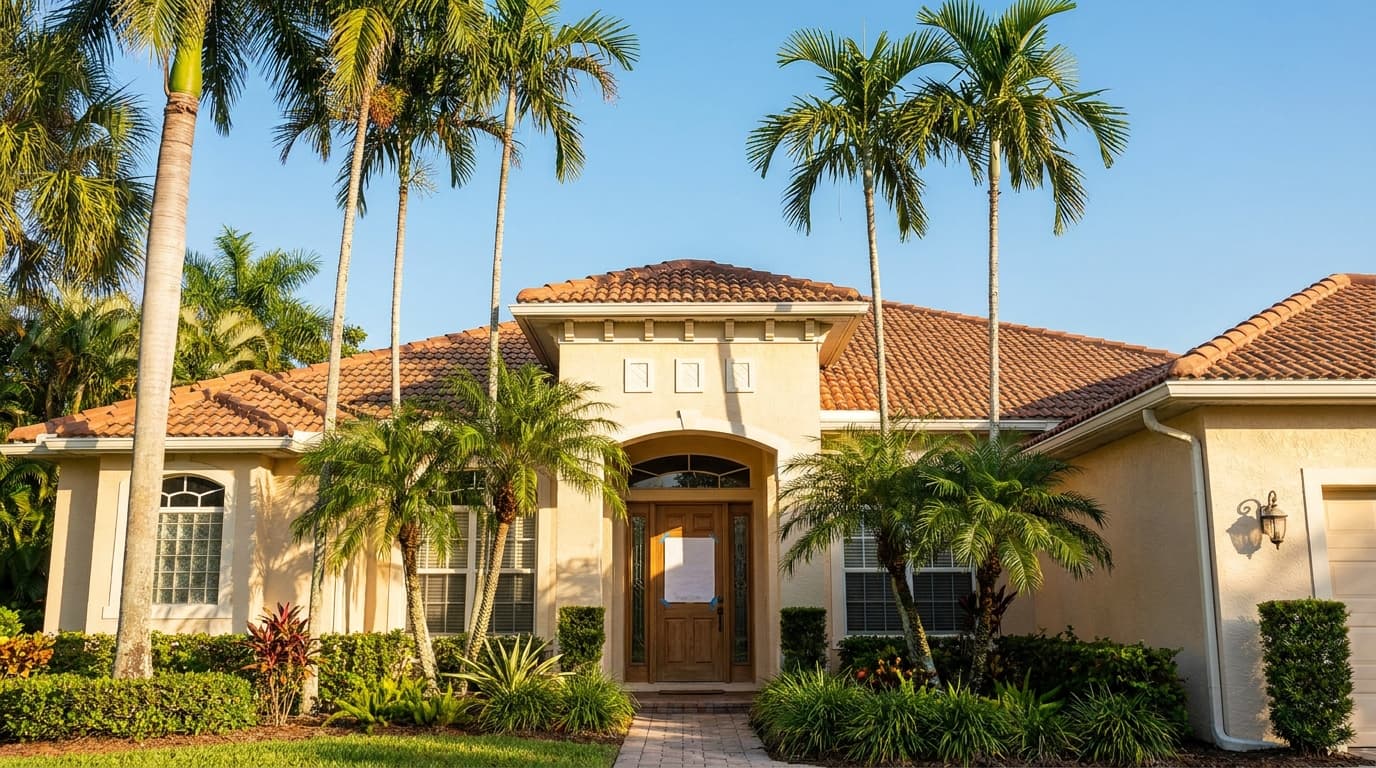

If you've received a code enforcement notice about unpermitted work at your Okeechobee County property, you're not alone—and the situation is fixable. Thousands of Florida homeowners face this exact scenario every year. Whether it's a room addition, electrical work, a new roof, or a swimming pool installed without proper permits, an unpermitted work violation can feel overwhelming. You may worry about fines, liens, or forced removal of the work. But with the right approach, clear steps, and knowledge of how Okeechobee County's building department operates, you can resolve this violation and bring your property into compliance.
This guide walks you through the entire process: understanding what triggered the violation, gathering the right documentation, navigating the Okeechobee County building permit system, working with inspectors, and ultimately getting your violation cleared. We'll use real-world context specific to Okeechobee County and Florida Statute 553, which governs building codes throughout the state.
Step 1: Understand Why You Received the Violation Notice
Before you can fix the problem, you need to understand exactly what triggered the violation. Code enforcement officers in Okeechobee County typically discover unpermitted work through:
Your code enforcement notice should clearly state:
Read your notice carefully. The deadline to respond is critical. Missing it locks you into a harder compliance path. If you've lost your notice, contact Okeechobee County Building Department at (863) 763-6537 immediately.
What Type of Work Requires a Permit in Okeechobee County?
Under Florida Statute 553 (Florida Building Code), virtually all structural work, electrical work, plumbing, HVAC, and major renovations require permits. Here's what does and doesn't require a permit:
| Work Type | Requires Permit? | Why |
|---|---|---|
| Room addition or enclosed structure | YES | Structural work affects building integrity |
| Roof replacement | YES | Changes building envelope (some reroof exceptions exist) |
| Electrical panel upgrades or new circuits | YES | Safety hazard if not compliant with code |
| Plumbing installation or modifications | YES | Health and safety code requirement |
| HVAC system installation | YES | Building code compliance required |
| Swimming pool or spa | YES | Structural and electrical/gas safety |
| Deck or patio (attached) | YES | Structural attachment to dwelling |
| Fence or detached shed | Usually NO | Exemptions under 553.112, unless > 200 sq ft |
| Drywall, flooring, paint (interior cosmetic) | NO | Non-structural, doesn't affect safety/code |
| Window or door replacement (same size) | Usually NO | Minor replacement exception |
If you're unsure whether work required a permit, contact Okeechobee County Building Department directly. They can clarify based on the scope and type of work.
Watch Related Videos on YouTube
unpermitted work violation Okeechobee County Florida how to fix guide
Step 2: Gather Documentation of the Work and Your Contractor
The county will want proof that the work was done and evidence of who performed it. Start collecting:
Documentation You'll Need
If the contractor is unavailable or has since closed their business, this makes the process harder but not impossible. Focus on what documentation you have and be transparent about what's missing.
If the contractor is licensed and bonded: Look up their license through Florida's Department of Business and Professional Regulation (DBPR). You can file a complaint or lien claim if work was deficient. If they're unlicensed, document that too—it strengthens your case for how to move forward.
When You Don't Have Good Documentation
If the contractor disappeared, the work happened years ago, or you simply don't have photos and invoices:
Transparency here matters. County officials respect honesty more than missing documentation.
Step 3: Contact Okeechobee County Building Department and Code Enforcement
Don't wait for the county to pursue you further. Take the initiative and reach out.
How to Contact the County
Okeechobee County Building DepartmentWhen you call or visit:
What to Expect from Code Enforcement
Okeechobee County Code Enforcement (typically part of the Community Development Department) will:
The tone of your interaction matters. Professional, cooperative homeowners who take responsibility are treated very differently than those who ignore notices or become adversarial.
Step 4: Determine If the Work Can Be Brought Into Compliance or Must Be Removed
This is the critical decision point. There are two possible outcomes:
Outcome A: Retroactive Permitting (Most Common)
If the work is structurally sound and complies with current building codes (or can be easily corrected), the county typically allows retroactive permitting. Here's how it works:
Outcome B: Removal or Structural Correction
If the work doesn't comply with code and can't be corrected, the county may require:
Get a professional assessment immediately. Hire a licensed contractor to inspect the work and provide a written report on whether it can be legalized. This costs $200–$500 but may save you thousands. A contractor's professional opinion carries weight with code enforcement.
Step 5: Apply for a Retroactive Permit (If Allowed)
If code enforcement determines the work can be legalized, you'll apply for a retroactive permit.
Retroactive Permit Application Process in Okeechobee County
Step 5.1: Gather Required DocumentsYou can submit in person or by mail:
Include a cover letter explaining the situation honestly: "This work was completed without a permit. I am now seeking retroactive permitting to bring the property into compliance with code."
Step 5.3: Pay Application and Inspection FeesFees vary but typically include:
Total cost is usually $300–$800 before any corrections.
Step 5.4: Schedule InspectionsThe county will contact you to schedule:
Be present at inspections. The inspector will show you exactly what, if anything, needs to be corrected.
Step 6: Make Required Corrections (If Any)
If the inspector identifies code violations during inspection, you have two options:
Option A: Fix It Yourself (If Allowed)
For minor cosmetic issues (e.g., missing outlet covers, exposed wiring, improper grading), you may be able to correct it yourself.
Option B: Hire a Licensed Contractor
For electrical, plumbing, structural, or HVAC corrections, you must hire a licensed contractor. Okeechobee County requires this under Florida Statute 553.
All corrections must be done by licensed, insured contractors. This isn't just county preference—it's Florida law. Don't try to cut corners here. A Licensed contractor holds liability insurance and guarantees the work meets code.
Finding a Qualified Contractor
Look for contractors who:
HomeProBadge's verified contractor directory (homeprobadge.com) lets you search by Okeechobee County and trade specialty, filtering for contractors with completed projects, verified backgrounds, and customer reviews.
Cost of corrections: $500–$3,000+ depending on the scope. Get multiple quotes.Step 7: Pass Final Inspection and Obtain Certificate of Compliance
Once all corrections are complete:
Once you have the certificate, the code enforcement case is closed. Your property can be sold, refinanced, or insured without the unpermitted work issue.
Step 8: Prevent Future Violations
Now that this is resolved, protect yourself going forward:
Best Practices
What If You Hire Someone Else Again?
Before hiring any contractor, verify their license through Florida's DBPR (www.myfloridalicense.com). A licensed contractor won't do unpermitted work—they'll pull the permit for you.
If someone tells you "we don't need a permit" or "I'll do it cheaper without permitting," walk away immediately. That's a liability risk and a red flag for quality.
Understanding Florida Statute 553 and Okeechobee County Code
Your situation is governed by two key regulations:
Florida Statute 553 (Florida Building Code)
Florida Statute 553 sets statewide building standards. It requires permits for:
The code also requires:
Read more at the Florida Building Code online (available at flbuildingcode.org).
Okeechobee County Building Code
Okeechobee County adopts Florida's statewide building code and adds local amendments where needed. Key local contacts:
Local amendments typically address:
What Happens If You Ignore the Violation?
This is critical: do not ignore a code enforcement notice.
If you ignore it, the county can:
Ignoring the notice is the worst option. Compliance is always cheaper and easier than the alternative.
Frequently Asked Questions
Q: Will resolving the violation affect my property value or ability to sell?
A: No, quite the opposite. Once the violation is resolved and you have a Certificate of Compliance, the property is cleaner from a legal standpoint. Potential buyers or their lenders will have confidence that the work is permitted and inspected. Unresolved violations actively prevent sales and hurt value.Q: Can I sue my contractor for doing unpermitted work?
A: Yes, you may have grounds for a lawsuit or complaint with Florida's DBPR if the contractor was licensed. If they were unlicensed, that's also a violation. Contact a real estate attorney to discuss your options. Many violations occur when homeowners hire unlicensed contractors to save money—that's a double penalty.Q: How much will this cost me in total?
A: It depends on the work type and whether corrections are needed:Getting a contractor's assessment early ($200–$500) helps you understand your likely cost range.
Q: How long does the process take?
A:The county is generally responsive but not fast. Plan for 30–90 days in most cases.
Q: What if I don't know who did the work or when it was done?
A: You're not alone—this happens when properties change hands or work was done years ago. Be honest with code enforcement about this. Provide:Code enforcement cares about current code compliance more than historical accuracy.
Q: Can the county force me to tear down the unpermitted work?
A: Yes, but only if:Most homeowners never reach this point because retroactive permitting is the path. Show willingness to comply, and the county works with you.
Q: Will my homeowners insurance cover unpermitted work?
A: Typically no. Most homeowners policies exclude coverage for unpermitted work or work done without proper permits. This is actually a powerful incentive to legalize work quickly. Once permitted and inspected, insurance coverage is restored. Resolve it to protect yourself.Q: What if the work was done before I bought the property?
A: You inherited the violation. As the current owner, you're responsible for compliance. However:Q: Can I get an extension on the deadline to respond?
A: Possibly. If your notice includes a response deadline, call code enforcement immediately and request an extension. Explain your situation professionally. They're more likely to grant extensions to cooperative homeowners. Don't ignore the deadline and hope—ask directly.Q: Do I need to hire a lawyer for this process?
A: For most retroactive permitting cases, no. The process is straightforward and the county guides you. Hire a lawyer if:A real estate attorney costs $150–$300/hour but may save money in complex situations.
Taking Action: Get Your Permit Violation Action Plan
Resolving an unpermitted work violation feels daunting, but it's manageable with a clear roadmap and the right support.
If you're overwhelmed or unsure where to start, HomeProBadge offers county-specific Permit Violation Action Plans designed for Okeechobee County. Our AI-generated plans outline:
Visit homeprobadge.com to get your personalized action plan in minutes. It's affordable, practical, and built specifically for Florida homeowners like you.
You can also browse our verified contractor directory to find licensed, background-checked contractors in Okeechobee County who have experience with compliance work and retroactive permits. Every contractor is verified and reviewed by previous customers.
Final Thoughts
Unpermitted work violations are stressful, but they're not insurmountable. Thousands of Florida homeowners resolve them every year. The key is taking action now rather than letting it fester:
The cost and time investment are worth it. Once resolved, you'll have peace of mind, legal protection, insurance coverage, and a property you can sell or refinance without this cloud hanging over it.
Start today. Call Okeechobee County Building Department at (863) 763-6537. Your future self will thank you.