

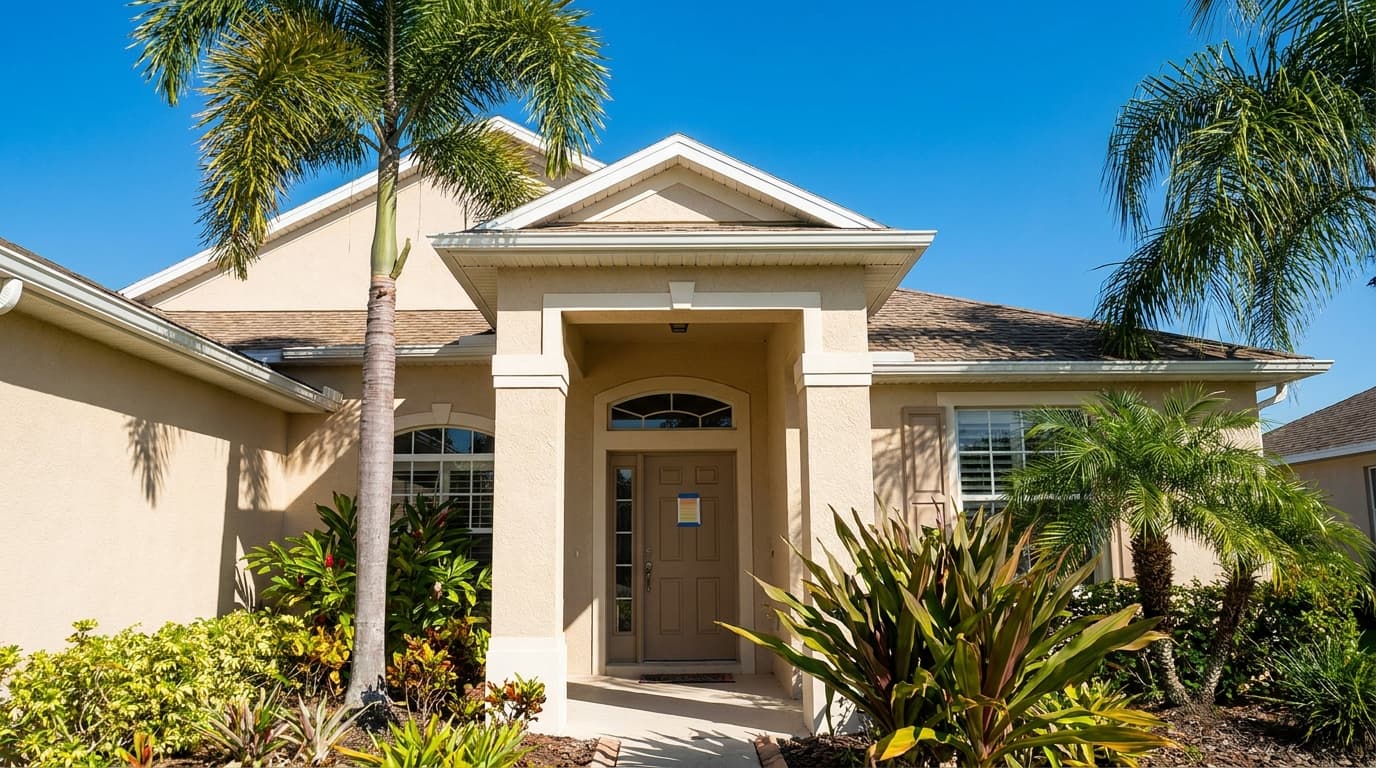

If you've received a code enforcement notice about unpermitted work at your Orange County home, you're not alone—and you're likely feeling a mix of anxiety, confusion, and urgency. The good news: unpermitted work violations are resolvable. The key is understanding the process, acting quickly, and knowing exactly which steps to take with Orange County's Building Department.
This guide walks you through the entire process of resolving an unpermitted work violation in Orange County, Florida. Whether you had work done without a permit, discovered an existing violation when you bought your home, or received a notice from a neighbor complaint, you'll find actionable steps to get compliant and avoid penalties.
What Counts as Unpermitted Work in Orange County?
Before diving into resolution, it's important to understand what triggers a violation. Orange County enforces the Florida Building Code (based on the International Building Code) under Florida Statute 553. Not all home improvements require permits, but most structural work, electrical, plumbing, HVAC, roofing, and additions do.
Common Unpermitted Work in Orange County Homes
Structural and Major Additions:Key Warning: Even minor work can require a permit. When in doubt, contact Orange County Building Department at (407) 836-7530 before starting any project. A $50 permit is far cheaper than a violation notice and corrective action.
Step 1: Get a Copy of the Code Enforcement Notice
Your first action is to locate and carefully review the actual notice. This document contains critical information:
If you've misplaced the notice, contact Orange County Code Enforcement at (407) 836-7369. They can email or mail you a copy. Request it immediately if your deadline is approaching—most counties give 30–90 days from notice date.
What If You Inherited the Violation?
If you purchased your home after unpermitted work was completed, you are now responsible for addressing it. This is true even if you didn't authorize the work. The violation "runs with the property," not the person. Your title insurance likely won't cover this (it's not a title defect), so documentation during your home inspection is crucial for future disputes.
Step 2: Schedule an Inspection with Orange County Building Department
You cannot resolve a violation without an official inspection from Orange County's Building & Safety Department. This inspection confirms:
How to Request an Inspection
- Property address
- Folio number (from your tax bill)
- Violation number (if you have it)
- Brief description of the work
Bring any documentation you have:
What Happens During the Inspection?
The building inspector will:
You have the right to be present during this inspection. It's often helpful—you can ask questions and understand exactly what needs to happen next.
Watch Related Videos on YouTube
unpermitted work violation Orange County Florida how to fix guide
Step 3: Understand Your Compliance Options
After inspection, Orange County will present options. Your path forward depends on the violation severity and what the inspector finds.
Option A: Permit After the Fact (Retroactive Permitting)
If the work is sound and meets code standards, you can apply for a retroactive permit. This is often the fastest and cheapest resolution.
Process:- Completed permit forms
- As-built drawings (sketch showing what actually exists)
- Proof of inspections (if the contractor had them done separately)
- Fee (typically $100–$500 depending on work type)
Option B: Corrective Work (Bring Work to Code)
If the work doesn't meet current code, you'll need to hire a licensed contractor to correct it. Common corrections include:
Option C: Removal or Demolition
In rare cases (usually if structural integrity is unsafe), Orange County may require removal of the work entirely. For example:
Step 4: Hire a Licensed Contractor (If Corrective Work Is Needed)
If you need corrective work, you'll hire a contractor licensed in Orange County. This is non-negotiable—unlicensed work will compound your violation.
How to Find a Qualified Contractor
Verify Licensing:HomeProBadge's verified contractor directory includes identity-verified, background-checked professionals in Orange County. You can search by trade (electrical, roofing, etc.) and view before/after job portfolios with trust scoring. This adds an extra layer of confidence when hiring for code-critical work.
Pro Tip: A contractor with a current HomeProBadge ($9.95/year, re-verified annually) has proven their identity and clean background. It's not a guarantee of quality, but it's one more data point showing they take professionalism seriously.
What to Ask Your Contractor
Step 5: Obtain or Verify the Permit
If corrective work is needed, the contractor must pull a permit for the correction work. If it's retroactive permitting, you or a contractor will handle the application.
For Corrective Work Permits
The contractor should:
| Work Type | Permit Fee Range | Inspection Fee |
|---|---|---|
| Electrical Work | $50–$150 | $50–$100 |
| Plumbing Work | $50–$150 | $50–$100 |
| Roofing | $100–$300 | $75–$150 |
| Deck/Porch | $100–$400 | $100–$200 |
| Room Addition | $300–$1,000+ | $200–$500+ |
| HVAC System | $50–$150 | $50–$100 |
For Retroactive Permits
You'll submit documentation showing the work was completed to code. This often requires:
Step 6: Schedule Final Inspection and Ensure Work Passes
Once corrective work is complete (or documentation is ready for retroactive permitting), schedule a final inspection.
Preparing for Final Inspection
Before the Inspector Arrives:Critical: Do not close the wall, bury pipes, or finalize any finish work until the inspector approves. Many homeowners make this mistake and have to reopen walls for a second inspection, costing thousands more.
What If the Inspection Fails?
If the work doesn't pass, the inspector provides a written list of deficiencies. Your contractor then:
This adds 1–3 weeks to your timeline. It's another reason to hire an experienced contractor who understands Orange County's standards.
Step 7: Resolve the Violation Notice
Once the final inspection passes, the violation is technically resolved. However, you need to formally close out the notice with Code Enforcement.
Closing the Violation
- Phone: (407) 836-7369
- Provide your violation number and property address
- Inform them that corrective work is complete and passed inspection
- Closed permit number (from Building Department)
- Final inspection sign-off photo or letter
- Proof of payment for any outstanding fees
- Ask for written confirmation that the violation is resolved
- This is important for your records and future property sales
- Check online or call to confirm the violation no longer appears on your property record
- This may take 1–2 weeks to update
Understanding Florida Statute 553 and Building Code Requirements
All Orange County code enforcement is based on Florida Statute 553 (Florida Building Code), which adopts the International Building Code (IBC) with state-specific amendments. Understanding this framework helps you navigate the process.
Key Code Principles
Life Safety First: The building code prioritizes occupant safety. This is why unpermitted electrical work or structural additions are taken seriously—they pose real hazards. Material and Workmanship Standards: All work must use appropriate materials and be installed correctly. The inspector verifies this during the final inspection. Energy Compliance: Work must meet Florida's Energy Code (based on IECC). New HVAC systems, insulation, and windows must meet efficiency standards. Accessibility Requirements: Certain renovations trigger ADA compliance for bathrooms, doors, and pathways.When the Building Department cites a violation, they reference the specific Florida Statute section (e.g., "Violation of Florida Statute 553.73 – Electrical Safety"). Your corrective work must address that specific code section.
Timeline and Cost Summary
Here's what you can expect for different scenarios:
Scenario 1: Retroactive Permit (Work Meets Code)
Scenario 2: Corrective Work (Minor Code Issues)
Scenario 3: Corrective Work (Major Code Issues)
Scenario 4: Removal/Demolition
Avoiding Future Violations
Once your violation is resolved, take steps to prevent another one:
- Call Orange County Building Department before ANY home improvement
- Permit costs are minimal compared to violation costs and corrective work
- Verify DBPR licensing
- Ask if they pull permits for their work
- Request proof of workers' compensation insurance
- Save all permit numbers, inspection reports, and final sign-offs
- This protects you during future home sales or refinancing
- When in doubt, call (407) 836-7530
- Five minutes on the phone prevents weeks of corrective work
FAQ: Unpermitted Work Violations in Orange County
Q: Will my homeowners insurance cover unpermitted work?
A: Likely not. Most homeowners insurance policies exclude coverage for code violations or unpermitted work. If unpermitted work causes damage (e.g., a faulty electrical installation causes a fire), the insurance company may deny your claim entirely. This is another reason to resolve violations promptly.Q: How long can Orange County take to resolve my violation?
A: There's no statutory deadline for Orange County to resolve violations once corrective work is complete. However, once you've passed final inspection and provided documentation, Code Enforcement typically closes the violation within 2–4 weeks. If it takes longer, follow up by phone.Q: Can I sell my home with an unresolved violation?
A: Technically yes, but you must disclose it to the buyer. Most buyers will require the violation to be resolved before closing. If you try to hide it, you expose yourself to fraud liability. It's far better to resolve the violation before listing.Q: What if the contractor I hired did the unpermitted work and won't fix it?
A: You have a few options:Keep all documentation (contracts, invoices, emails) from the original contractor.
Q: Can I negotiate with Orange County for more time to correct the violation?
A: Yes. If your compliance deadline is approaching and you need more time, contact Orange County Code Enforcement in writing. Explain your situation and request an extension. They're often reasonable if you're actively working to resolve the issue. However, do this before your deadline passes—waiting until after creates legal complications.Q: Will resolving the violation affect my property taxes?
A: Not directly. However, if unpermitted work added square footage or bedrooms, the Orange County Property Appraiser may adjust your home's assessed value upward when the violation is resolved and documented. This could slightly increase your property taxes. Some appraisers account for this during reassessment.Q: What if I can't afford to correct the violation right now?
A: Contact Orange County Code Enforcement and request a variance or reasonable time extension. Explain your situation honestly. Many agencies offer payment plans or extended timelines for legitimate hardship cases. The worst thing you can do is ignore the violation—that leads to fines and legal action.Q: Do I need a lawyer to resolve an unpermitted work violation?
A: For most straightforward violations, no. The process is administrative, not legal. However, if you're facing enforcement action, fines, or the violation involves a complex property dispute, consulting a Florida real estate attorney is wise. They typically charge $150–$350/hour for consultation.Q: How much will I be fined for unpermitted work?
A: Orange County fines vary but typically start at $50–$100 per day of non-compliance. For example, a 60-day violation could result in $3,000–$6,000 in fines alone, before corrective work costs. This is another reason to act immediately once you're aware of the violation.Q: Can I appeal an unpermitted work violation determination?
A: Yes. If you disagree with the inspector's findings, you can request an appeal or second opinion from the Orange County Building Department. Submit your request in writing within the timeline specified in your notice. A senior inspector will review the case and provide a determination.Get a County-Specific Action Plan from HomeProBadge
Navigating unpermitted work violations can be overwhelming, especially if you're facing multiple corrective work items or unclear next steps. That's where HomeProBadge's Permit Violation Action Plan comes in.
HomeProBadge generates AI-powered, county-specific action plans for Florida homeowners dealing with code violations. When you provide your violation details, the system creates a customized roadmap that includes:
This service is designed for homeowners who want clarity and confidence in resolving their violations. Rather than making phone calls to multiple departments or hiring a consultant, you get an organized, AI-generated plan specific to your situation and county.
Get Started: Visit HomeProBadge.com to generate your county-specific Permit Violation Action Plan. It takes 10 minutes and provides the clarity you need to move forward.
Final Takeaway
Unpermitted work violations in Orange County are stressful, but they're entirely resolvable. The key is understanding the process, acting quickly, and following the steps outlined here:
Most violations take 4–8 weeks to resolve, and costs typically range from $150 (retroactive permit) to $5,000+ (major corrective work). While it's an inconvenience, it's far better to address violations proactively than face escalating fines or complications during a home sale.
If you're feeling lost or overwhelmed, HomeProBadge's Permit Violation Action Plan can provide the specific roadmap you need. Orange County has clear processes and reasonable inspectors—you just need to follow the system.
Don't delay. Contact Orange County Building Department today and take the first step toward resolving your violation.