

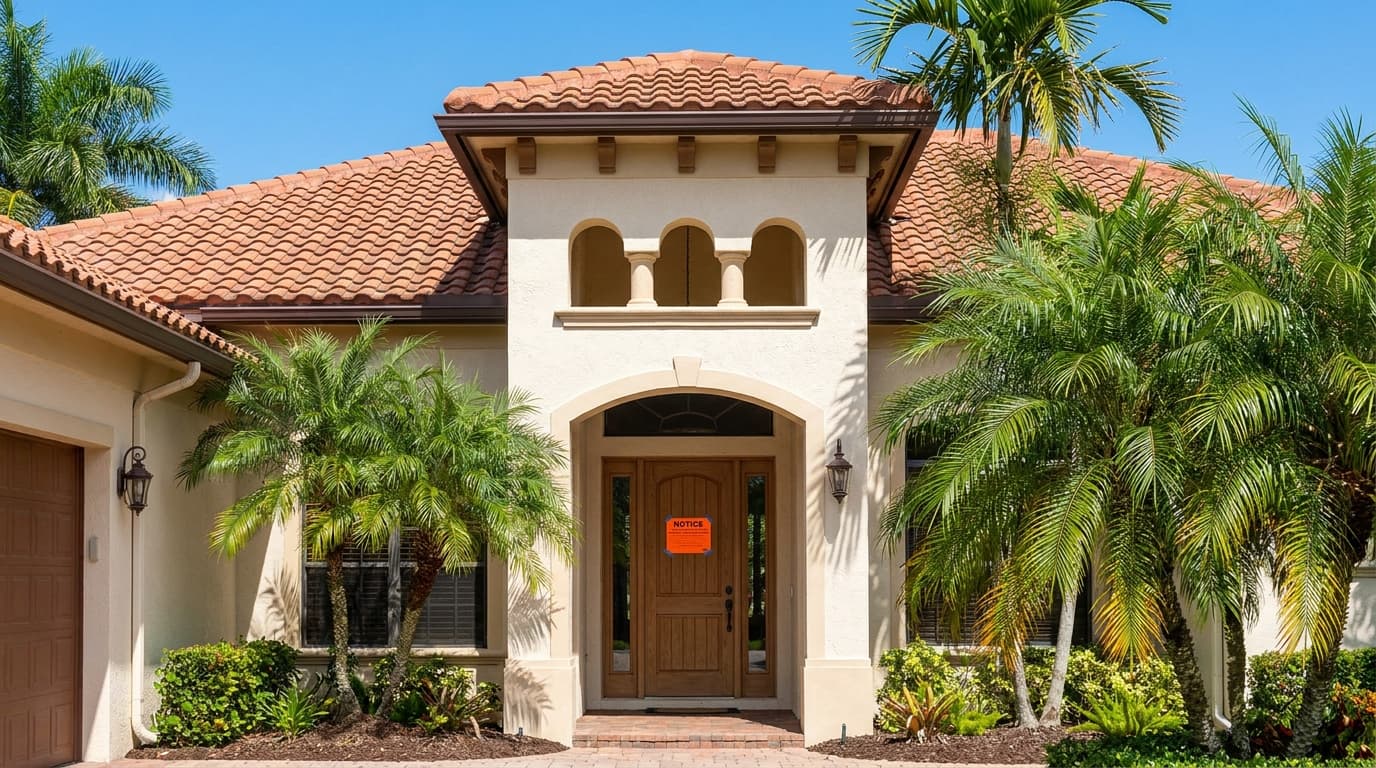

Receiving a code enforcement notice about unpermitted work is stressful. Your home may be under scrutiny, there may be fines looming, and you're unsure whether you're responsible, how much it'll cost to fix, or how long the process takes. If you're a homeowner in Osceola County facing this situation, you're not alone — and there are clear, legal pathways to resolve it.
Osceola County's building department enforces Florida Statute 553, which mandates that major home improvements—electrical work, plumbing, HVAC, structural changes, room additions, and major renovations—require permits before work begins. When work is completed without a permit, the county issues a violation notice and may levy fines until the issue is corrected. The good news: Osceola County allows retroactive permit applications and compliance paths that can resolve the violation without demolishing the work.
This guide walks you through the exact steps to resolve an unpermitted work violation in Osceola County, including how to contact the right department, file for a retroactive permit (if eligible), bring the work into code compliance, and clear your violation. We'll also cover what to do if you're selling your home or refinancing—both situations where unpermitted work becomes an urgent problem.
Step 1: Understand What Triggered the Violation
Before you act, you need to know exactly what work was flagged. Code enforcement in Osceola County typically discovers unpermitted work through:
Read Your Notice Carefully
Your code enforcement notice should include:
Warning: Do not ignore the notice or miss the response deadline. Fines accrue daily ($100–$250+/day is typical), and the county can place a lien on your property if the violation remains unresolved for extended periods.
If you don't have the notice or are unsure about the details, contact Osceola County Building Services (see Step 2) immediately to request a copy.
Step 2: Contact Osceola County Building Services
Your first action should be to establish direct contact with the code enforcement officer or building inspector assigned to your case. This conversation sets the tone for cooperation and understanding.
Osceola County Building Services Contact Information
Department: Osceola County Building Services (part of Development Services) Main Phone: (407) 742-2000 Building Services Main Line: (407) 742-2500 Address: 1500 W. Ninth St., Kissimmee, FL 34741 Website: osceolacountyfl.com (search "Building Services") Hours: Monday–Friday, 8:00 AM – 5:00 PM (closed county holidays)What to Do in Your First Call
- Can this work be brought into code compliance (retroactive permitting), or must it be removed?
- What documentation or inspections are needed?
- What is the timeline for resolution?
- Are there fines, and will they stop accruing once a retroactive permit is filed?
Watch Related Videos on YouTube
unpermitted work violation Osceola County Florida how to fix guide
Step 3: Determine If Retroactive Permitting Is an Option
Not all unpermitted work can be retroactively permitted. Florida Statute 553 and Osceola County Code allow retroactive permits only if:
Types of Work That Can Usually Be Retroactively Permitted
| Work Type | Retroactive Permit Possible? | Notes |
|---|---|---|
| Electrical panel upgrade | Yes | Requires inspection and code compliance verification |
| Interior wall removal (non-load-bearing) | Depends | Load-bearing walls often cannot be approved retroactively |
| Room addition (single-story) | Depends | Must meet setbacks and zoning; structural review required |
| HVAC installation | Yes | Must meet current efficiency and code standards |
| Plumbing work | Yes | Requires inspection; cross-connection testing may be needed |
| Pool installation | Depends | Must meet setback requirements; barrier compliance crucial |
| Roof replacement | Yes | Easiest to retroactively permit if work is complete |
| Deck/patio (attached to home) | Depends | Must meet structural and setback requirements |
| Unpermitted second story | Very unlikely | Rarely approvable retroactively; zoning/structural risk |
| Demolition without permit | No | Demolition itself cannot be retroactively permitted |
Work That Cannot Be Retroactively Permitted
Key Point: Ask your code enforcement officer directly: "Can this work be brought into code compliance, or must it be removed?" This answer determines your entire path forward.
Step 4: Hire a Licensed Contractor or Architect (If Needed)
For most unpermitted work that can be retroactively permitted, you'll need:
Why This Matters
Osceola County's building department will not issue a retroactive permit without confidence that the work is safe and code-compliant. If the original work was done without permits, the county may require a licensed professional to:
Finding a Qualified Contractor in Osceola County
When hiring:
- Cost of inspection and documentation.
- Cost of any corrective work.
- Permit application and re-inspection fees.
- Timeline for completion.
Tip: HomeProBadge's verified contractor directory lets you search for identity-verified home service professionals in Osceola County by trade. You can review their portfolios, trust scores, and past work—helpful when selecting someone to guide you through a violation.
Step 5: Gather Documentation and Submit a Retroactive Permit Application
Once you've confirmed that retroactive permitting is possible and hired a contractor or engineer if needed, it's time to file for the retroactive permit.
Required Documentation for Osceola County Retroactive Permits
Documentation varies by work type, but typically includes:
Where to Submit
Submit your application to:
Osceola County Development Services1500 W. Ninth St., Kissimmee, FL 34741
Or inquire about online submission at (407) 742-2500.
Application Fees
Retroactive permit fees for Osceola County are typically calculated based on the project's estimated cost. Examples:
Fees may be higher than a standard permit because inspection and documentation are more involved. Ask for an exact quote before submitting.
Step 6: Schedule and Pass Inspections
Once your retroactive permit is approved, the county will schedule inspections. The number and type of inspections depend on the work:
Common Inspection Points
| Work Type | Typical Inspection Sequence |
|---|---|
| Electrical | Final rough inspection, then final |
| Plumbing | Rough inspection (lines/connections), then final |
| HVAC | System installed and operational inspection |
| Room addition | Foundation (if applicable), framing, electrical, plumbing, HVAC, final |
| Roof | Framing/structural, final |
| Pool | Barrier inspection, equipment inspection, final |
Tips for Passing Inspections
Warning: Failing an inspection does not mean your work is rejected. It means corrective action is needed. Most violations are resolved after 1–3 inspections once the contractor addresses deficiencies.
Step 7: Obtain the Certificate of Compliance or Final Permit Sign-Off
Once all inspections pass, Osceola County will issue either:
Request a certified copy of this document. You'll need it if you:
Step 8: Resolve Fines and Clear the Violation Case
Once the work is permitted and compliant, you may still owe fines that accrued during the violation period. Osceola County typically charges daily fines ($100–$250+/day) from the notice date until the violation is resolved.
Calculating Your Fines
If your violation was noticed on January 1 and resolved (final inspection passed) on March 15, fines accrued for 73 days:
Fines can be substantial, which is why swift action matters.
Paying Fines
- Check or money order (mail to the address on the bill).
- Online payment (check osceolacountyfl.com for e-payment options).
- In person at the development services office.
Appealing Fines
If you believe the fines are excessive or unfair, you may request an administrative appeal or variance. This is rare but possible if:
Ask your code enforcement officer about the appeal process and timeline.
Special Situations: Home Sale, Refinance, or Title Issues
Selling Your Home with an Unpermitted Work Violation
Florida real estate law requires sellers to disclose material facts, including unpermitted work and code violations. If your home is under a violation notice:
Refinancing with Unpermitted Work
Most lenders will not refinance a home with an active code violation on record. If you're refinancing:
Title Issues and Liens
If an unpermitted work violation has been on your property for years and fines remain unpaid, Osceola County may place a lien on your property. This:
If your property has a lien:
Once paid, request a lien release certificate to clear the title record.
FAQ: Common Questions About Unpermitted Work Violations in Osceola County
Q: How much will it cost to resolve the violation?
A: Costs vary widely:Simple work (roof, HVAC) may cost $1,500–$3,000 total. Complex work (room additions, structural changes) can exceed $10,000. Ask your contractor and code enforcement officer for estimates.
Q: How long does it take to resolve?
A: Typical timeline is 30–90 days with full cooperation. This includes:Delays can occur if work fails inspection or documentation is incomplete.
Q: Will the county demolish the work if I don't fix it?
A: Demolition is a last resort, typically only if:Most violations are resolved through retroactive permitting or corrective work, not demolition.
Q: Do I need a lawyer?
A: For most homeowners, no. The process is straightforward, and Osceola County staff are generally helpful. You may want a lawyer if:Q: What if the contractor who did the work is gone or uncooperative?
A: You are responsible for the violation regardless of who performed the work. You will need to hire a new contractor to help document and correct the work. This adds cost but is necessary to resolve the violation.Q: Can I just pay the fine and move on?
A: No. Fines are a penalty for non-compliance, but they do not resolve the violation itself. You must obtain a retroactive permit and bring the work into code compliance to close the case. Fines accrue until the underlying violation is resolved.Q: Will this affect my home's value?
A: Once resolved and permitted, the unpermitted work becomes a permitted improvement and should not affect value. During the violation period (before resolution), buyers may be wary or demand a discount. Resolution eliminates this concern.Q: Do I need to disclose this to my insurance company?
A: Yes. Once the work is complete and permitted, you should inform your homeowner's insurer. Unpermitted work may void coverage for that area. Once permitted, the insurer can include it in your policy.Next Steps: Get a County-Specific Action Plan
If you're unsure where to start or need a personalized, step-by-step plan for your specific violation, HomeProBadge's Permit Violation Action Plans provide AI-generated, county-specific guidance for Osceola County homeowners.
Here's what you'll get:
You're not alone in this. Thousands of Florida homeowners have resolved unpermitted work violations. With the right guidance and a clear process, you can too. Take the first step today—contact Osceola County Building Services or request your action plan—and start moving toward resolution.