

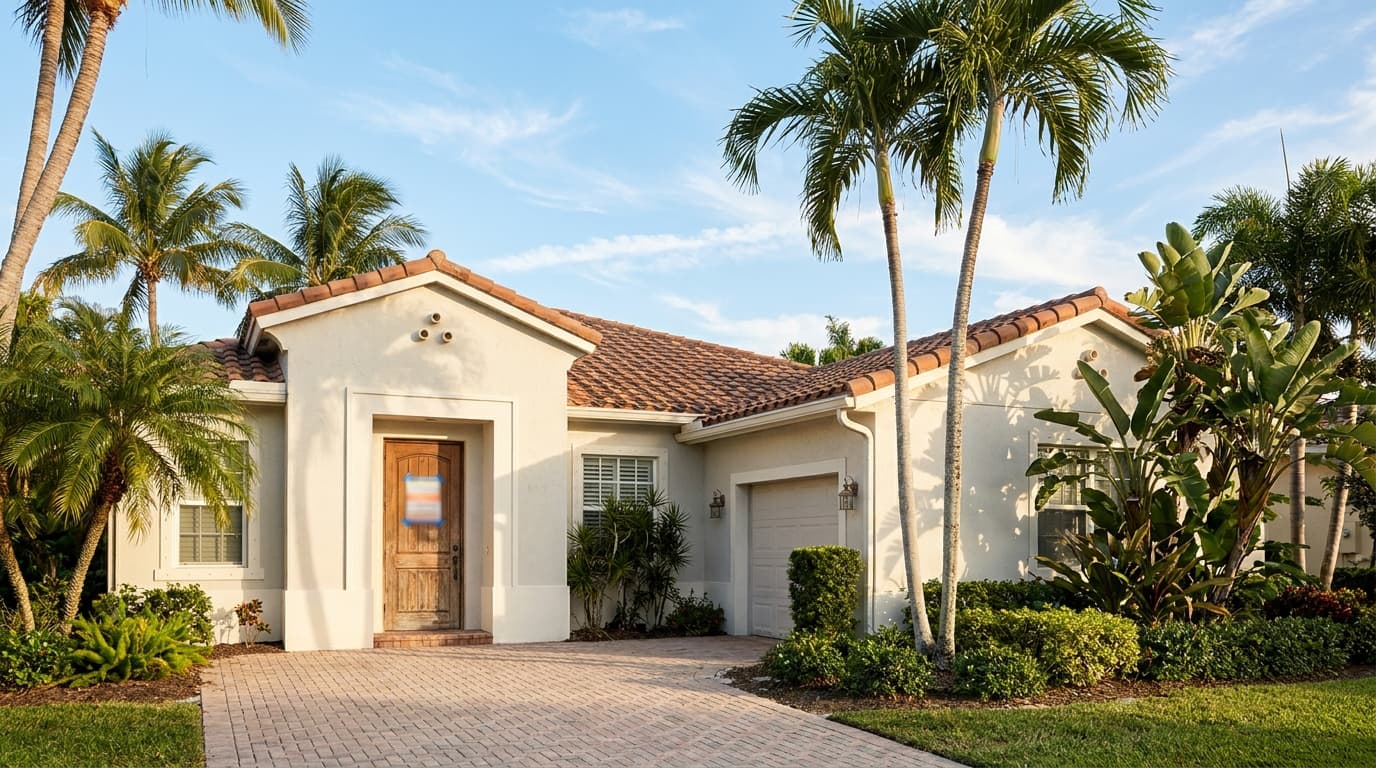

If you've received a notice of violation from St. Lucie County Code Enforcement regarding unpermitted work, you're not alone—and this situation is fixable. Unpermitted work violations are one of the most common issues homeowners face in Florida, often discovered during property sales, insurance inspections, or routine code compliance checks. The good news is that St. Lucie County has clear pathways to resolve these violations, and understanding the process removes the stress and confusion that often paralyzes homeowners when they first receive the notice.
This guide breaks down exactly what you need to do, how St. Lucie County's Building Department works, what your options are, and how to navigate the compliance process successfully. Whether the unpermitted work was done by a previous owner or was work you authorized, the steps to resolution are similar—and we'll walk through them methodically.
Understanding Unpermitted Work Violations in St. Lucie County
What Counts as "Unpermitted Work"?
Unpermitted work in St. Lucie County refers to construction, renovation, or structural changes made to a residential or commercial property without obtaining the required building permit from the St. Lucie County Building Department beforehand. This includes:
Not every home improvement requires a permit. Small cosmetic work—painting, flooring replacement (if structural integrity isn't affected), cabinet changes, or simple fixture swaps—typically don't require permits. However, anything involving structural changes, mechanical systems (electrical, plumbing, HVAC), or permanent installations usually does.
Florida Statute 553, Part II (the Florida Building Code), governs what work requires permitting. St. Lucie County enforces these state standards locally.
Why St. Lucie County Cares About Unpermitted Work
Code enforcement isn't about bureaucracy for its own sake. Permits exist to:
When the county discovers unpermitted work, they issue a Notice of Violation giving you a window to either remove the work or bring it into compliance through retroactive permitting and inspection.
Watch Related Videos on YouTube
unpermitted work violation St. Lucie County Florida how to fix guide
Step 1: Understand Your Notice of Violation
When you receive a Notice of Violation from St. Lucie County Code Enforcement, it contains several critical pieces of information:
What Your Notice Includes
Read your notice carefully and keep it accessible. You'll reference it throughout the resolution process. The deadline is binding—missing it can result in escalating fines and even liens on your property.
Calculate Your Exposure
Unpermitted work violations in St. Lucie County typically carry:
This makes quick action financially important. A 60-day resolution window might save you $3,000–$12,000 in accumulated fines compared to a six-month delay.
Step 2: Contact St. Lucie County Building Department and Code Enforcement
Get the Right Contact Information
The St. Lucie County Building Department is your central resource. Their contact details:
Ask for the specific code enforcement officer assigned to your case. They're your advocate within the system and can answer questions about your property's specific situation.
What to Ask During Your Call
When you reach Code Enforcement, have your Notice of Violation in front of you and ask:
Document everything in writing. If you speak to Code Enforcement by phone, follow up with an email summarizing what was discussed and agreed upon. This creates a paper trail if disputes arise later.
Step 3: Determine Your Resolution Path
You have two primary paths to resolve unpermitted work violations in St. Lucie County:
Path A: Retroactive Permitting (Most Common)
Retroactive permitting means obtaining a permit after the work is completed, then having it inspected to verify it meets Florida Building Code standards. If it does, the county issues a Certificate of Completion, and the violation is resolved.
When this works best:Cost: $500–$3,000 in permit fees, inspection costs, and contractor evaluation, plus fines.
Timeline: 4–12 weeks depending on inspection scheduling and any required corrections.
Path B: Removal or Demolition
If the unpermitted work is unsafe, doesn't meet code, or you choose not to pursue retroactive permitting, you must remove it entirely.
When this is necessary:Cost: $1,000–$10,000+ for removal, plus permit fees and fines.
Timeline: 2–8 weeks depending on work scope.
Path C: Administrative Appeal (Rare)
If you dispute that the violation exists or that the code interpretation is wrong, you can request an administrative hearing. This is uncommon and usually only viable if:
Most homeowners don't pursue this because it's time-consuming and rarely successful.
Step 4: Hire a Qualified Contractor or Engineer
Resolving unpermitted work almost always requires professional assessment and documentation. You'll need either:
Licensed General Contractor
A Florida-licensed GC can:
Look for contractors in St. Lucie County with experience in code violations and retroactive permitting. Verify they're:
Cost: $500–$2,000 for assessment and documentation.
Professional Engineer (P.E.)
For complex work (structural changes, significant HVAC modifications, etc.), hire a Florida-licensed professional engineer to:
Cost: $1,000–$5,000+ depending on work complexity.
Finding the Right Professional
Use HomeProBadge's verified contractor directory, searchable by St. Lucie County and trade. All HomeProBadge professionals are identity-verified and background-checked, giving you confidence you're working with qualified, trustworthy contractors. You can review their job portfolios, past work, and customer reviews.
Avoid unlicensed contractors. Hiring someone without proper licensing creates legal liability, may violate the violation notice, and won't satisfy Code Enforcement.
Step 5: File a Retroactive Permit Application (If Applicable)
If you're pursuing retroactive permitting, the next step is submitting the permit application to St. Lucie County Building Department.
Required Documentation
Typical retroactive permit packages include:
| Document | Purpose | Who Provides |
|---|---|---|
| Completed permit application form | Initiates the permitting process | Homeowner or contractor |
| As-built drawings or photos | Documents current work condition | Contractor or engineer |
| Site plan showing property/work location | Shows where work is located | Contractor or engineer |
| Electrical/plumbing schematic (if applicable) | Shows system configuration | Licensed tradesperson or engineer |
| Engineer certification letter | Confirms code compliance or needed corrections | Professional engineer |
| Proof of ownership | Establishes your right to permit | Property deed or tax statement |
| Contractor license and insurance | Verifies contractor credentials | Contractor |
Submission Process
What Happens Next
The Building Department reviews your application for completeness. If information is missing, they'll request it in writing. Once complete, your permit is issued, and you schedule inspections.
Step 6: Schedule and Pass Required Inspections
Once your retroactive permit is issued, the county will require inspections to verify the work meets code.
Typical Inspection Sequence
Structural inspection (if applicable):Scheduling Inspections
If Inspections Fail
If the work doesn't pass inspection, the inspector issues a punch list of corrections needed. Your contractor makes corrections and requests a re-inspection. This can add 1–4 weeks to the timeline depending on correction scope.
Step 7: Pay Fines and Obtain Clearance
Once inspections pass and you've received a Certificate of Completion from Building Department, Code Enforcement will finalize the violation case.
Fine Assessment
Fines in St. Lucie County typically include:
Code Enforcement will provide a final bill. Some violations settle with reduced fines if you demonstrate good-faith effort to resolve quickly.
Payment
Pay fines to St. Lucie County Code Enforcement or Building Department. Ask for:
Request written closure confirmation. You'll need this if you sell the home or refinance, as title companies and lenders require proof the violation was resolved.
Step 8: Document Everything for Future Protection
Once the violation is resolved, maintain comprehensive records:
Essential Documents to Keep
Why This Matters
When you sell your home:
If you refinance or apply for a home equity line of credit, lenders will:
Special Situations in St. Lucie County
Previous Owner Did the Unpermitted Work
If you inherited the violation from a previous owner:
Some Code Enforcement officers reduce fines for owners who inherited violations, recognizing the fairness issue. Always ask politely.
Unpermitted Work Done by a Contractor You Hired
If a contractor you hired did unpermitted work without permission:
Contact a Florida real estate attorney if the contractor's negligence caused significant expense.
Multiple Violations on One Property
If you have multiple unpermitted items (e.g., deck, room addition, electrical work), resolve them all through a single permit process when possible:
This is more efficient than resolving violations separately.
Disputes About Violation Legitimacy
If you genuinely believe Code Enforcement is wrong about the violation:
This is rare, but it's your right under Florida Statute 162 (the code enforcement procedures act).
Timeline: What to Expect
Here's a realistic resolution timeline for a typical unpermitted work violation in St. Lucie County:
| Phase | Timeline | Tasks |
|---|---|---|
| Violation Notice to First Contact | Day 1–2 | Receive notice, locate contractor |
| Contractor Assessment | Day 3–10 | Get contractor estimate, decide on retroactive permit vs. removal |
| Permit Application Prep | Day 11–20 | Gather documents, prepare drawings |
| Permit Application Review | Day 21–35 | County reviews, may request corrections |
| Permit Issued | Day 36–40 | Begin scheduling inspections |
| Inspections | Day 41–70 | Pass required inspections (may include corrections) |
| Certificate of Completion | Day 71–75 | Receive completion certificate |
| Fine Payment & Case Closure | Day 76–80 | Pay fines, receive closure documentation |
| Total Timeline | 60–90 days | Full resolution achieved |
This assumes no major corrections needed. If failures require significant work, add 2–4 additional weeks.
Common Mistakes to Avoid
1. Ignoring the Notice
Missing the cure deadline escalates fines dramatically. Act immediately.
2. Hiring Unlicensed Contractors
Only licensed, insured professionals satisfy Code Enforcement. Unlicensed work won't be approved.
3. Assuming Small Work Doesn't Need Permits
Many homeowners think minor work is legal. When in doubt, ask the Building Department or get a professional opinion.
4. Not Documenting the Original Work
If the original contractor is unavailable, an engineer's assessment becomes critical. Budget for this.
5. Trying to Hide or Demolish Work Yourself
Unauthorized removal can complicate matters. Always work through official channels.
6. Delaying Because of Cost
Daily fines often exceed contractor costs. Delay is expensive.
7. Not Requesting Written Closure
Without written proof from Code Enforcement, you can't prove the violation was resolved. Always request documentation.
FAQ: Unpermitted Work Violations in St. Lucie County
Q: How long do I have to fix an unpermitted work violation in St. Lucie County?A: Your Notice of Violation specifies the deadline, typically 30–60 days. Some complex violations allow 90 days. The deadline is binding. Contact Code Enforcement immediately if you need an extension—they sometimes grant short extensions for legitimate reasons.
Q: What's the difference between a code violation and a building code violation?A: A code violation is any breach of local ordinances (zoning, maintenance, etc.). A building code violation specifically involves unpermitted construction or structural changes. Both must be resolved, but building violations are what we're addressing here.
Q: Can I sell my house if it has an open unpermitted work violation?A: Technically yes, but realistically no. Title companies require the violation to be resolved before closing. Buyers' lenders won't finance a home with unresolved violations. You'll need to resolve it to complete a sale.
Q: Will resolving the violation increase my property taxes?A: Possibly. If the unpermitted work increased your home's square footage or value significantly, the county's Property Appraiser may re-assess your home after the violation is resolved. This could increase taxable value. This is actually the county's motivation for code enforcement—ensuring proper assessment.
Q: What if the contractor who did the unpermitted work won't help me resolve it?A: You can hire another contractor to assess the work and prepare documentation. You're not obligated to use the original contractor. However, if they're licensed and insured, you may have legal claims against them for breach of contract or negligence.
Q: Can I get the fines reduced or waived?A: Sometimes. Code Enforcement has discretion, especially if:
A: No. In fact, insurers may deny claims if unpermitted work caused damage. Resolving violations protects your insurance coverage.
Q: What if the unpermitted work is on a rental property I own in St. Lucie County?A: The process is identical, but fines may be higher for rental properties. Code Enforcement takes rental property violations seriously because they affect tenant safety. Resolve immediately to avoid escalating penalties.
Q: How do I find out if unpermitted work exists on my property before buying?A: Request a permit history from St. Lucie County Building Department or hire a professional to audit the home's permit records. This protects you from inheriting violations.
Q: Can I do the work myself and then get it permitted retroactively?A: Generally no. The county requires work be permitted before performance by licensed contractors. Homeowners can do certain work themselves (owner-builder), but rules vary by work type. Ask Building Department if owner-builder work is an option for your situation. Electrical and plumbing are typically off-limits.
Q: What happens if I don't resolve the violation?A: Fines accumulate daily (often $50–$200/day). The county can place a lien on your property. Eventually, they may pursue legal action, court fines, or foreclosure (rare but possible). You cannot refinance or sell without resolving it. Resolve it—the cost of delay far exceeds resolution costs.
Next Steps: Get Professional Help
Resolving an unpermitted work violation in St. Lucie County is manageable if you know the process and work with qualified professionals. The key is acting quickly, hiring licensed contractors or engineers, and maintaining thorough documentation.
If you're overwhelmed or uncertain about your specific situation, HomeProBadge's Permit Violation Action Plan is designed exactly for this. We generate a county-specific, AI-powered action plan tailored to your violation, including:
You'll have a clear roadmap, personalized to your situation and St. Lucie County's requirements. No guessing, no confusion—just actionable next steps.
Additionally, HomeProBadge's verified contractor directory lets you search for licensed, background-checked professionals in St. Lucie County who specialize in code violations and retroactive permitting. Review their portfolios, see before/after work, and read verified customer reviews.
Don't let this violation linger. Every day costs you money in fines and stress. Take action this week, and you'll likely have closure within 60–90 days.
Start your action plan today at HomeProBadge. Your pathway to compliance starts here.