

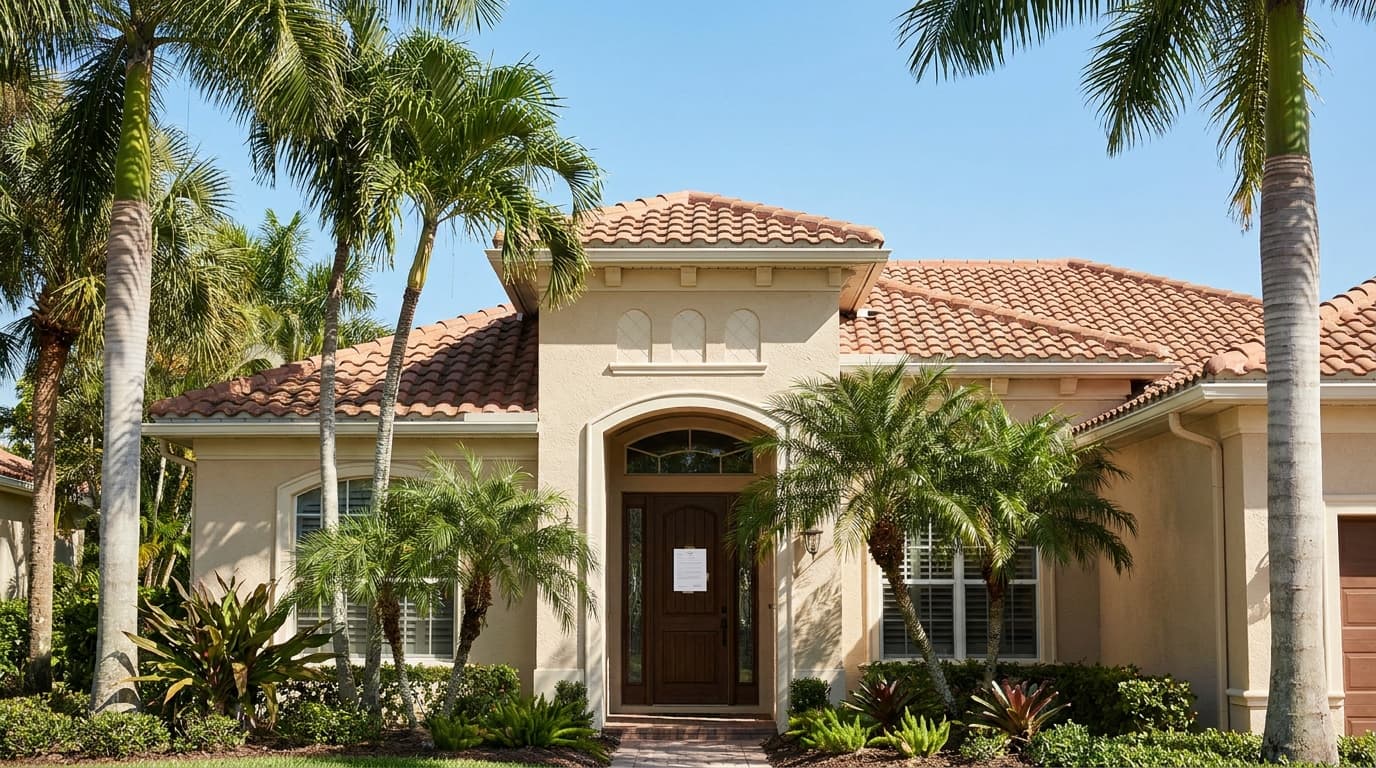

If you've received a code enforcement notice about unpermitted work in Walton County, Florida, you're not alone—and you have options. Whether you discovered the violation yourself, a neighbor reported it, or code enforcement knocked on your door, the process of resolving unpermitted work can feel overwhelming. But the reality is this: thousands of Florida homeowners navigate this every year, and with the right information and steps, you can too.
Unpermitted work violations in Walton County typically arise when renovations, additions, electrical work, plumbing, HVAC installation, or structural changes were completed without obtaining proper building permits from the Walton County Building Department. These violations don't disappear on their own—they compound when you try to sell your home, apply for refinancing, or file an insurance claim. The good news? There's a clear, legal pathway to resolve them, and this guide walks you through every step.
Understanding Unpermitted Work in Walton County
What Counts as Unpermitted Work?
Unpermitted work is any structural, mechanical, electrical, or plumbing alteration to your property that was completed without a valid building permit issued by Walton County Building Department. This includes:
What makes this tricky in Walton County specifically is that code enforcement officers are authorized under Florida Statute 553 to inspect any property for compliance with the Florida Building Code. If they find work without proper permits, they issue a Notice of Violation—and that's when you need to act.
Key Warning: Ignoring a Notice of Violation in Walton County can result in fines of $100–$250 per day for residential violations. Fines accumulate daily until the violation is resolved.
Why Walton County Code Enforcement Cares
Code enforcement isn't trying to ruin your day. Their job is to ensure that:
Walton County, like all Florida counties, enforces these rules to protect public safety and property values. When unpermitted work goes unaddressed, it can affect neighboring properties, create liens, and tank resale value.
How Violations Are Discovered
Code enforcement in Walton County typically learns about unpermitted work through:
Regardless of how it was found, your response is the same: act quickly and follow the legal resolution process.
Watch Related Videos on YouTube
unpermitted work violation Walton County Florida how to fix guide
Step 1: Obtain and Review Your Notice of Violation
What You'll Receive
Walton County Code Enforcement will typically issue a written Notice of Violation that includes:
How to Get a Copy
If you haven't received your notice yet but suspect a violation exists:
- Phone: (850) 231-5000 (general line; ask for Code Enforcement)
- Address: 1149 E. US 231, DeFuniak Springs, FL 32433
- Website: waltonfl.org (Building/Planning Department section)
Pro Tip: Document everything from day one. Save all emails, notices, and communication with the building department. You'll need this trail if disputes arise.
Key Information to Extract
Before moving forward, identify and write down:
Step 2: Determine Your Resolution Path
Walton County offers homeowners three primary paths to resolve an unpermitted work violation. Your choice depends on the work's safety, cost, and your timeline.
Path A: Obtain a Permit (Most Common)
This is the preferred resolution for most unpermitted work violations. You retroactively obtain a building permit for the work already completed, then schedule inspections to verify it meets code.
When this works best:Path B: Remove the Work (Rarely Chosen)
You completely remove or undo the unpermitted work, restoring the property to its pre-violation state.
When this works best:Path C: Request a Variance or Waiver
In rare cases, you can request that Walton County grant relief from the violation, either by issuing a variance or waiving enforcement.
When this works best:Step 3: Gather Documentation About the Original Work
Before you can apply for a retroactive permit, you need evidence about what was actually done.
Information to Collect
| Document Type | Why It Matters | How to Obtain |
|---|---|---|
| Contractor receipts/invoices | Proves who did work and what was installed | Check files, contact original contractor, check credit card statements |
| Product specification sheets | Confirms materials meet code | Manufacturer websites, Lowes/Home Depot receipts, contractor records |
| Before/after photos | Visual record of work completed | Your phone, home security camera footage, contractor portfolio |
| Permit applications (if filed) | Shows original intent; may help reduce violations | Walton County Building Dept, original contractor |
| Inspection records | If any informal inspections occurred | Ask code enforcement officer, contractor |
| Warranties | Proof of professional work | Original documents, manufacturer records |
| Floor plans or blueprints | Shows scope of structural changes | Architect, engineer, or original contractor |
Hiring a Professional Inspector or Engineer
In many cases, Walton County will require a third-party inspection or engineer's report before approving a retroactive permit. This confirms the work was done to code.
Typical process:Important: Make sure any inspector or engineer you hire is Florida-licensed. Walton County will not accept reports from unlicensed inspectors.
Step 4: Apply for a Retroactive Permit with Walton County
Where to Apply
Walton County Building DepartmentWhat You'll Need to Submit
Permit Application Fees
Retroactive permits in Walton County typically cost:
Timeline Expectations
Step 5: Schedule and Pass All Required Inspections
Types of Inspections You'll Face
Once your retroactive permit is approved, Walton County will schedule inspections based on the type of work:
| Work Type | Inspections Required | What Inspector Checks |
|---|---|---|
| Electrical work | Rough-in, final | Wire gauge, breaker sizing, grounding, outlet placement per code |
| Plumbing | Rough-in, final | Pipe sizing, slope, vent stacks, trap seals, water pressure |
| HVAC | Equipment installation, ductwork | Proper sizing, refrigerant charge, duct sealing, clearances |
| Structural/additions | Framing, final | Joist spacing, structural connectors, roof load paths, foundation ties |
| Roofing | Final only | Fastener type, spacing, flashing, underlayment, pitch compliance |
| General construction | Framing, insulation, final | Overall code compliance, egress, height/dimension compliance |
How to Schedule Inspections
Preparing for Each Inspection
Before rough-in inspections:If Inspection Fails
If the inspector identifies code violations, you'll receive a Notice of Non-Compliance listing specific issues. You have three options:
Most failed inspections involve:
Step 6: Obtain Final Approval and Permit Closure
What Happens After Final Inspection Passes
Once all inspections pass, Walton County Building Department will:
You'll receive written confirmation, typically within 1–2 weeks.
Getting Official Documentation
Request and receive:
Clearing Your Title
Once the permit is closed, the violation is resolved, but you may want to verify this appears on official records:
Some mortgage lenders require this certified documentation before approving refinancing.
Understanding Walton County Building Code & Florida Statute 553
Relevant Code Standards
Walton County enforces the Florida Building Code (FBC), which is based on the International Building Code (IBC) with Florida-specific amendments. Key statutes include:
Florida Statute 553 — Establishes the authority for:What This Means for You
Under Florida Statute 553, Walton County has the legal authority to:
What If You Disagree With the Violation?
Requesting a Hearing or Appeal
If you believe the violation was incorrectly issued or the enforcement is unreasonable, you can request a hearing before the Walton County Code Enforcement Board or appeal to the County Commission.
Timeline: You typically have 30 days from the notice to request a hearing. Process:When an Appeal Makes Sense
Common Issues & Roadblocks
Issue 1: Original Contractor Unavailable or Licensed Expired
Problem: You can't find the contractor who did the work, or their license is expired. Solution:Issue 2: Work Doesn't Actually Meet Code
Problem: Inspector finds the unpermitted work violates current code standards. Solution:Issue 3: Cannot Afford to Fix or Permit the Work
Problem: Correction costs are prohibitive. Solutions:Many homeowners don't realize there may be flexibility in timelines. Call the code enforcement officer and be honest about your situation.
Issue 4: Violation is on Rented Property
Problem: You're a landlord, not the property owner who did the work. Solution:How to Avoid Future Unpermitted Work Violations
Best Practices Going Forward
Red Flags When Hiring Contractors
Be cautious of contractors who:
These are signs of unprofessional work that will create problems later.
FAQ: Unpermitted Work Violations in Walton County
Q: How long do I have to respond to a Notice of Violation?
A: Walton County typically gives 30 days. Do not ignore this deadline. Contact the code enforcement officer immediately if you need more time to arrange corrective action.Q: Will resolving this violation affect my property taxes?
A: Not directly. However, if the work added square footage or value, Walton County Property Appraiser may reassess your property, which could increase taxes. This is separate from the code violation process.Q: Do I need a lawyer to resolve this?
A: For most retroactive permit cases, no. But if you're appealing a violation or facing significant fines, consulting a real estate attorney ($200–$500 consultation) can be worthwhile.Q: Will this show up on my home inspection report if I sell?
A: If the violation is properly resolved with a closed permit and certificate of compliance, it should not appear as an active violation. However, the work may be noted as "previously unpermitted but corrected." You must disclose this under Florida law.Q: Can I get a mortgage or refinance with an unresolved violation?
A: Unlikely. Most lenders require a clear title and no active code violations. Resolve the violation before applying.Q: How much will this cost in total?
A: Typical breakdown:This is significantly less than removing the work or facing daily fines.
Q: What if I just sell the house as-is without fixing it?
A: You must disclose the violation to buyers under Florida law. Most buyers will negotiate a reduction in sale price or require you to remediate before closing. You'll also trigger an appraisal issue that may kill the deal entirely.Q: Can the county force me to remove unpermitted work?
A: Yes, if it poses a safety hazard. Walton County can issue a demolition order for work that violates building codes in dangerous ways (faulty electrical, structural instability, etc.). Retroactive permits prevent this.Q: How long before I can sell my home after closing a violation?
A: Immediately, once the certificate of compliance or permit closure is issued. No waiting period exists, but allow 1–2 weeks for paperwork to update in county records.Q: Do I need to notify my homeowners insurance?
A: Yes. Once the violation is resolved with a closed permit, notify your insurance company. They may have denied coverage for the unpermitted work, but should reinstate it once it's properly permitted.Q: What if the violation involves work done 10+ years ago?
A: Time doesn't erase the violation, but it may be easier to prove the work meets code now. Hire an inspector to verify quality and safety. Walton County will likely accept a properly documented inspection report.Your Next Steps: Get a County-Specific Action Plan
Navigating Walton County's code enforcement process is manageable, but every property and violation is unique. That's where a targeted, county-specific action plan can save you time, money, and stress.
HomeProBadge offers AI-generated Permit Violation Action Plans specifically tailored to Walton County properties. Here's what you get:✓ County-specific steps customized to Walton County Building Department procedures
✓ Timeline projection based on similar violations
✓ Cost estimates for permits, inspections, and corrections
✓ Contractor recommendations (verified, licensed professionals in Walton County)
✓ Document checklist so you don't miss anything
✓ Appeal strategies if needed
✓ One-time investment — $49 for a comprehensive, downloadable action plan
Visit HomeProBadge.com and select your county to generate your personalized action plan. You'll also gain access to HomeProBadge's verified contractor directory—find licensed, background-checked professionals in Walton County who specialize in permit violations and corrective work.The difference between stumbling through this process and executing it systematically can be $1,000–$3,000 in avoided costs and 2–4 weeks saved. A few dollars spent on the right information upfront pays for itself many times over.
Final Thoughts
Unpermitted work violations in Walton County are stressful, but they are resolvable. Thousands of Florida homeowners face this every year, and the vast majority resolve it within 60–90 days by following the retroactive permit process.
The key is to:
You've got this. Reach out to Walton County Building Department today, and start moving toward closure.