

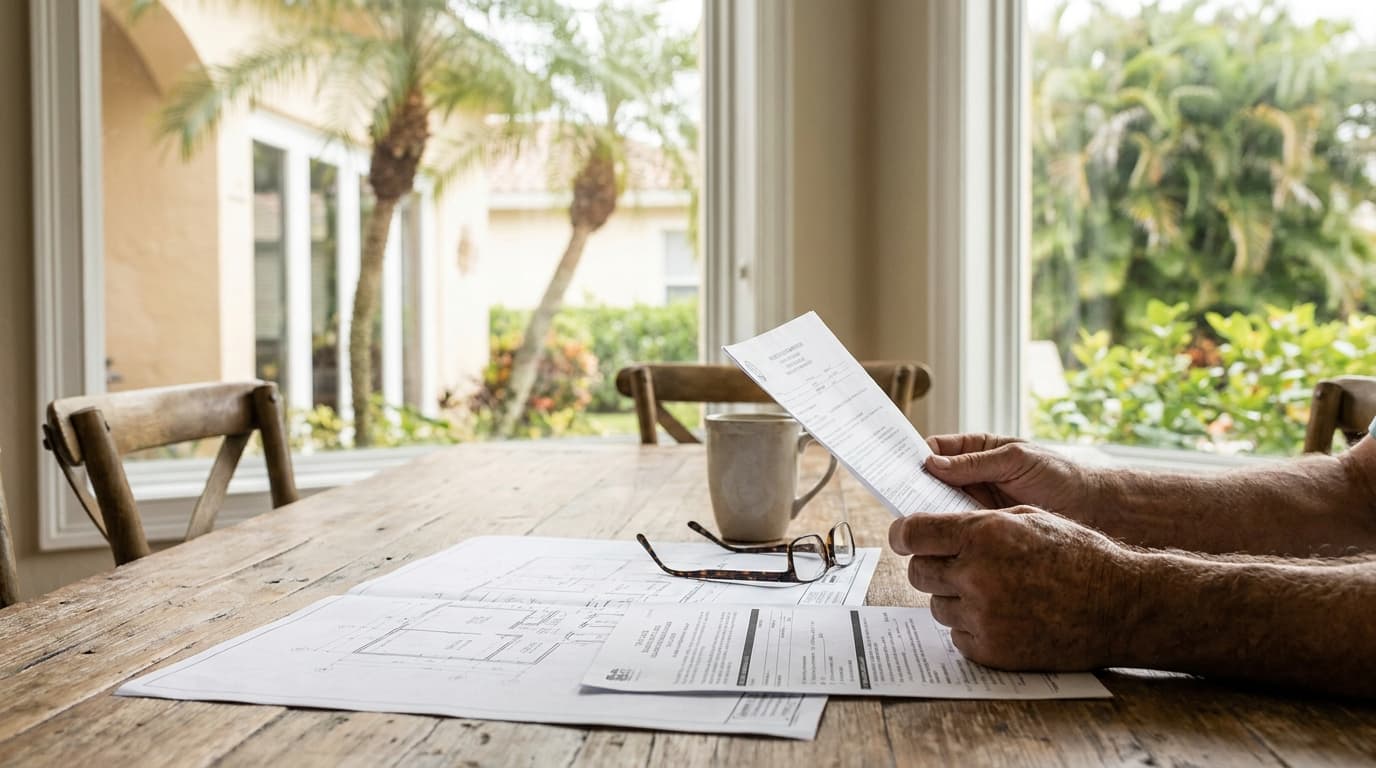

You're staring at a flyer, a Facebook ad, or a door hanger that says “$99 whole house duct cleaning” and thinking the same thing a lot of homeowners think: maybe this is finally the easy, cheap fix for dusty vents and stale air. That pitch is built to feel harmless. It's also exactly how many air duct cleaning scam operations get in the door.
The problem isn't just a low price. It's the gap between what a real job requires and what a bait-and-switch crew can do in a rushed visit. A legitimate cleaning involves inspection, access to the system, proper containment, and the right equipment. A scam usually relies on urgency, vague promises, and surprise add-ons once the technician is standing in your home.
If you're stressed, you're not overreacting. The industry has enough legitimate variability that bad actors can hide in plain sight, which is why homeowners need a practical way to sort a real contractor from a fraud. This guide gives you that filter, including the one technical question that quickly exposes fake negative-air claims: “What PSI does your compressor run at?”
The All-Too-Tempting Duct Cleaning Offer
The message is always the same. A coupon arrives in the mail. A van parks in the neighborhood. A social post promises a whole-house special that sounds easy to approve in under a minute. That's the hook, because homeowners are busy and the offer feels like a simple maintenance task, not a high-risk decision.
What makes the offer dangerous is not the wording alone, it's the mismatch between the promise and the work involved. A complete, legitimate system service isn't a quick sweep of a couple of visible vents. It means inspecting the system, handling supply and return ducts properly, and using equipment that can pull debris out of the full network.
Practical rule: if the offer feels designed to stop you from comparing quotes, it's probably designed to help the seller control the outcome.
The fear angle shows up fast. Some operators push mold, odors, or health concerns to create panic and shortcut your judgment. The EPA's position on duct cleaning is clear in the verified data, air duct cleaning has not been shown to prevent health problems, and scammers exploit that uncertainty by exaggerating danger to justify extra charges.
The better way to frame the decision is simple. Ask whether the price can possibly cover a real job, a real inspection, and real equipment. If the answer seems thin, the offer is probably not a bargain, it's a trap.
Anatomy of a Scam Common Tactics and Red Flags

Scammers don't rely on one trick. They stack pressure, confusion, and urgency until the homeowner agrees before checking anything. The fastest way to beat that play is to recognize the pattern early and slow the conversation down.
The pressure pattern
The first red flag is immediate urgency. Fraudulent operators often call unsolicited, knock on doors, or run ads that push you to book right away. That tactic matters because it keeps you from comparing providers, checking certifications, or asking for a written estimate.
Another common move is the bait-and-switch. A low ad gets the booking, then the technician claims to have found mold, contamination, or some “urgent” problem once inside. In the verified data, Texans lost about $4.2 million to these scams in 2025, and those losses were tied to exactly this kind of high-pressure play with fake health claims and unauthorized add-ons Texas scam loss summary.
The EPA warning matters here because it undercuts the fear tactic. If the seller is using health panic as the main sales tool, that's not a sign of expertise. It's a sign they know the pitch is stronger than the service.
What to watch for in the field
| Red Flag, Scam | Professional Standard, Legit |
|---|---|
| Instant urgency | Time to compare quotes and ask questions |
| Too-good-to-be-true price | Written scope tied to realistic labor and equipment |
| Vague process | Clear explanation of what gets cleaned and how |
| No documentation | Itemized estimate and receipt |
| Health scare tactics | Specific findings supported by evidence |
A real crew should be able to explain what they'll do before they touch anything. If the explanation gets fuzzy, the job probably is too.
What Legitimate Duct Cleaning Looks and Costs Like

A real duct cleaning starts with the system, not the sales pitch. The crew should inspect accessible components, clean supply and return ducts, protect the HVAC air handler, and contain debris so the mess doesn't get spread back into the home. The verified data also puts a legitimate whole-house job in the $450 to $1,000 range for an average-sized home because the work takes time, equipment, and trained labor legitimate cost and scam comparison.
That cost range is why $49 to $99 ads are not believable for a full system cleaning. They can't cover proper inspection, truck-mounted vacuum use, and a complete cleaning process. They usually buy the visit, then rely on upsells to make the trip profitable.
Equipment and scope matter
The primary distinction is in the equipment. Legitimate air duct cleaning uses truck-mounted negative-pressure equipment and follows NADCA ACR standards, which is what gives the system enough airflow to move debris out of the full duct runs. Portable vacuums are a different story, they're commonly used in scams because they're easier to carry in, but they don't deliver the same containment or cleaning depth NADCA-style equipment standards.
That's why the time on site matters too. A proper whole-house cleaning for a modest home takes 2 to 3 hours at minimum, and the broader service window for legitimate jobs is commonly longer because technicians need access, sealing, and verification steps job duration and equipment standards. If a crew is packing up in under an hour, they almost certainly didn't do the full job.
If you want a plain-English baseline for what a real service package should include, a detailed overview from home duct cleaning is useful because it spells out the scope homeowners should expect from a professional visit.
A real quote names the work. A scam quote names a price first and invents the work later.
Your Vetting Checklist How to Hire a Reputable Pro

The safest hiring process starts before anyone enters your home. Ask for the company name, license information, insurance, and a written estimate that names the scope of work. Then verify the details, because scammers count on homeowners skipping that boring part.
Start with credentials and paperwork
Ask whether the company can show proof of licensing, insurance, and any relevant certification. If they dodge the question or tell you it's “not necessary,” that's the answer. Use the verification process in this contractor license verification guide as a model for how to check the basics before you let anyone start work.
Request a written contract that lists the rooms, vents, equipment, and exclusions. If they won't put the scope in writing, you don't have a job, you have a gamble.
Ask the question scammers hate
The best technical filter is direct and uncomfortable: “What PSI does your compressor run at?” The verified data notes that fake negative-air claims often fail right here, because low-cost operators can't explain the pressure requirements or sealed-system setup needed to clean the whole duct network effectively negative-pressure verification question.
You're not trying to be a technician. You're checking whether they understand the process they claim to sell. A real pro should be able to explain how negative pressure works, what the compressor does, and why the system stays sealed during cleaning. A vague answer, or a defensive one, is a huge warning sign.
Use a simple vetting sequence
If you're comparing multiple home service categories, the same discipline applies beyond HVAC. Even when you're finding South Florida spray foam contractors, the right questions are still the ones that force a contractor to prove the process, not just the price.
For Professionals How to Build Trust and Stand Out
Homeowners don't need another promise, they need proof. Legitimate contractors win when they make verification easy, because the scam market has trained customers to distrust every cheap offer and every vague explanation. The honest business that explains the process clearly, shows documentation, and answers technical questions without flinching is already ahead.
The verified data is clear that real work takes time and the right setup, with legitimate jobs using truck-mounted negative-pressure equipment and taking 2 to 3 hours minimum for proper whole-house cleaning professional equipment and timing. That fact should be part of the sales process, not hidden from it. When a technician explains why the visit takes time, what gets accessed, and how the system is protected, the customer stops comparing the business to a scam coupon.
Trust signals that actually matter
Before-and-after photos help, but only if they're tied to the actual job address and not generic stock images. Written estimates help, but only if they match the service performed. Clear communication helps most of all, because homeowners remember who stayed calm and specific when everybody else sounded pushy.
A strong reputation also depends on how reviews are handled. Tools that help streamline local business reviews make it easier for a company to collect, organize, and respond to feedback in a way that feels real instead of manufactured. For contractors who want to build a durable reputation, the broader trust framework in how to build customer trust is just as important as the cleaning truck parked outside.
The contractor who explains the why behind the work usually earns the job, because homeowners can hear the difference between education and a pitch.
There's also a brand lesson here. Businesses that document the job, show the equipment, and make verification routine don't just look more professional, they separate themselves from the operators who depend on speed and confusion. In a market full of short-cuts, transparency is a competitive advantage.
Reporting a Scam Where to Go and What to Say
If you've already been hit, report it fast and keep your paperwork together. Save the ad, text messages, call logs, invoices, receipts, and photos of the work site or equipment. The scam pattern tied to social media bait-and-switch ads has grown, and the verified data notes that these digital offers surged 40% in the last year according to FTC and Texas Attorney General data digital bait-and-switch trend.
Start with the agencies that can act on the complaint. File with the FTC, your state Attorney General, and any local consumer protection office that handles home improvement fraud. If your state or county has a contractor oversight channel, use that too. Keep the complaint factual, short, and anchored to what happened.
What to send
Use a plain script like this when filing:
Complaint summary: I responded to an air duct cleaning offer that advertised a low-cost whole-house service. After booking, the company changed the scope, used pressure tactics, or charged for work that wasn't clearly explained in writing. I'm requesting review for deceptive advertising and unfair billing.If you want help organizing your complaint materials, the broader homeowner guidance in homeowner protection services can help you think about the record set you need before you submit a report.
Don't wait for the company to “make it right” if the pattern is obvious. The faster you document and report it, the easier it is for investigators to connect your case with others.
Conclusion The Best Defense is Due Diligence
An air duct cleaning scam usually works because the homeowner is rushed, not because the fraud is complex. The red flags are consistent, unrealistic pricing, vague explanations, pressure to act immediately, and a failure to explain the equipment or process in plain language. Real service looks slower, clearer, and more expensive because it must perform the work.
The most useful habits are simple. Get a written estimate. Verify licensing and insurance. Ask what equipment they use. Ask the technical question, “What PSI does your compressor run at?” If the answer is evasive, the job probably is too.
Keep the bigger lesson in mind, too. The best defense isn't knowing one scam. It's building a habit of due diligence that works on duct cleaning, insulation, HVAC repairs, and every other home service where a fast pitch can hide a weak process.
If you want a better way to verify contractors before you let them in, use HomeProBadge to check credentials, compare proof of work, and make your next hire with a lot more confidence.