

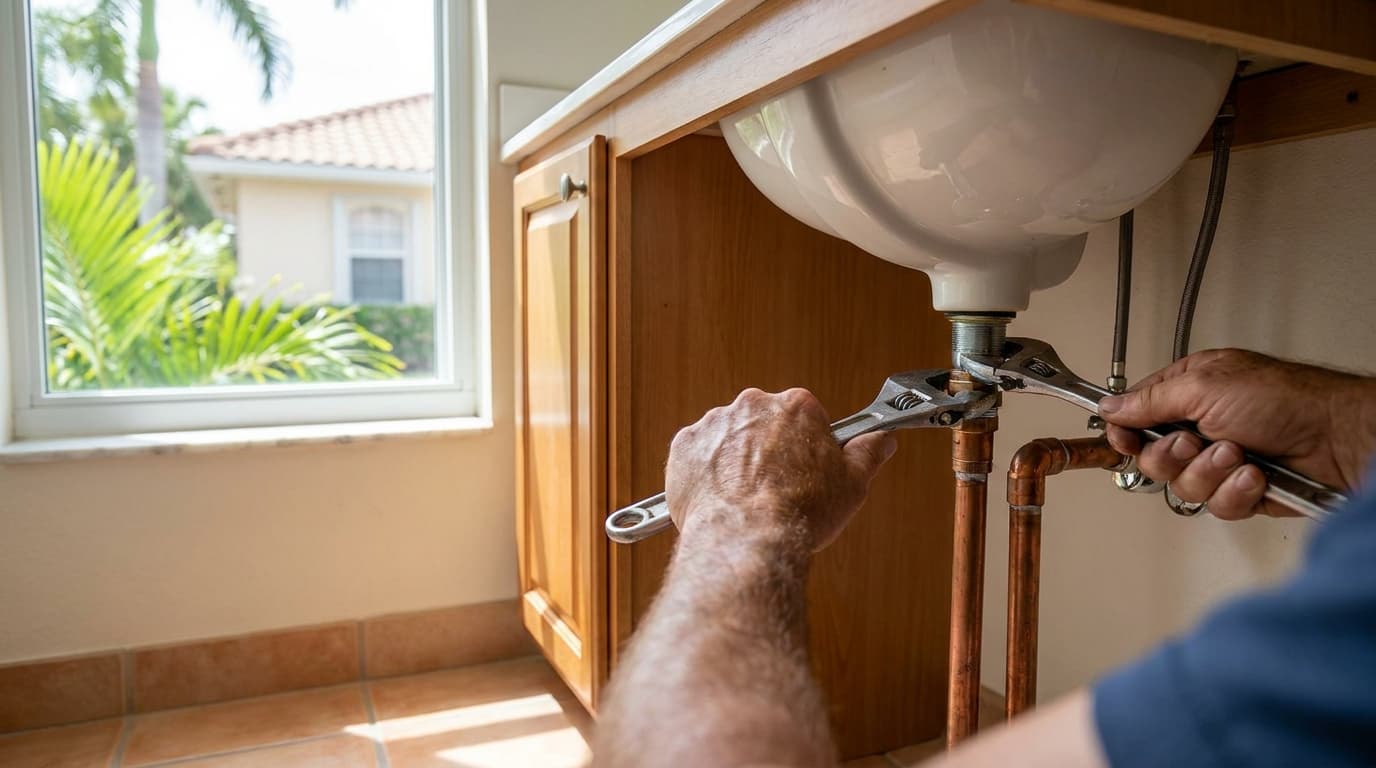

If you're a plumbing contractor in Marion County, Florida, you've probably noticed two things: (1) homeowners are increasingly dealing with unpermitted work left behind by previous contractors or DIY disasters, and (2) fixing those problems—legally and profitably—requires expertise most plumbers don't actively market. That's your competitive advantage.
Permit compliance jobs are some of the most profitable, sticky, and referral-rich work available to skilled plumbing professionals. They command premium pricing because they solve a homeowner's biggest fear: avoiding fines, liens, and forced tearouts from the Marion County Inspector's Office. Yet most plumbers treat permit compliance as a side service, if they address it at all.
This guide walks you through how to systematically build a permit compliance practice in Marion County—from understanding the regulatory landscape to landing your first high-ticket jobs, building reputation proof, and scaling. We'll cover the specific Marion County rules, the positioning strategies that work, and the tools that separate compliance-focused plumbers from the rest.
Step 1: Understand Marion County's Permit Compliance Landscape
Before you market permit compliance services, you need to know exactly what Marion County homeowners and contractors are dealing with. This isn't abstract—it shapes every conversation you'll have with a prospect.
The Regulatory Foundation: Florida Statute 553
Marion County operates under Florida Statute 553 (Building Construction and Related Board), which requires:
What this means in practice: A homeowner who hired an unlicensed plumber, or a licensed plumber who never pulled permits, now has unpermitted work discovered during a home sale, insurance review, or septic inspection. They need someone to either:
Your role: Lead them through the path that makes sense and protects them legally.
Marion County Building Department Contact Points
Know where Marion County homeowners and prior contractors stumble:
Having direct relationships with Marion County inspectors and plan examiners isn't just helpful—it positions you as someone who knows the system. Many competitors don't.
Common Marion County Plumbing Violations You'll Encounter
| Violation Type | Cause | Your Compliance Fix |
|---|---|---|
| Unpermitted underground service lines | DIY or unlicensed work | Excavate, photo-document, submit retroactive permits |
| Missing/incomplete rough-in inspections | Contractor never scheduled | Schedule inspection, provide documentation |
| Non-code water heater venting | Installed pre-2015, code changed | Replace vent, obtain T&M permit, re-inspect |
| Improper grading/drainage around septic | Related plumbing violation | Correct grading, coordinate with septic contractor |
| Cross-connections or backflow issues | Missing or non-functioning devices | Install/test device, obtain approval |
| Corroded or non-approved materials | Old galvanized steel, wrong PVC grade | Replace sections, document, re-inspect |
The more specific you are about the violations you see, the more you sound like an expert instead of a generalist plumber.
Watch Related Videos on YouTube
plumbing permit compliance jobs Marion County how to fix guide
Step 2: Position Yourself as a Permit Compliance Specialist
Generic plumbing websites don't sell permit compliance services. Specialists do.
Craft a Permit Compliance Value Statement
Your website, Google Business Profile, and service descriptions need to clearly state: Who you help, what problem you solve, and what they get as a result.
Weak: "Licensed plumber, all types of work, 20 years experience."
Strong: "Marion County plumbing permits and violations resolved. We bring unpermitted plumbing work into legal compliance—getting you past home sale inspections, insurance reviews, and county violations without costly tearouts. Retroactive permits, corrective work, and final inspections managed start-to-finish."
The strong version:
Build a Permit Compliance Service Menu
Create a clear, scannable service breakdown on your website and quote documents. Example:
Permit Compliance Services:This menu does two things: (1) educates homeowners on what's available, and (2) primes them to ask for specific services when they call.
Own the Search Terms Homeowners Actually Use
Marion County homeowners don't search "permit compliance specialist." They search:
Your website needs pages and blog content targeting these terms. This is where SEO work concentrates—not on your name or generic "plumber Marion County," but on the specific problem homeowners are solving.
Key Positioning Tip: Create a Google Business Profile specifically highlighting permit compliance services, with multiple high-quality photos of before/after violations and corrected work. Homeowners searching from inside the county will find you first.
Step 3: Build Proof and Reputation Systems
High-ticket permit compliance jobs ($3,500–$8,000+) require proof of competence. Generic reviews won't cut it.
Document Job Portfolios with Specificity
For every permit compliance project you complete, create a detailed case study with:
Example: "Unpermitted water heater installation—no permit, no inspection, improper venting. Homeowner facing $7,200 tearout demand. We filed retroactive permit, performed corrective venting installation, scheduled and passed final inspection. Total cost: $1,850. Marion County compliance achieved."
This level of detail converts cold prospects to paying customers faster than any generic review.
Leverage Verified Contractor Status
Homeowners in permit trouble are risk-averse. They want verification that you're licensed, bonded, and trustworthy. A HomeProBadge verified contractor profile ($5 one-time, re-verified annually) provides third-party identity and background verification that separates you from competitors.
When you add your permit compliance portfolio and trust score to your HomeProBadge profile, you're giving prospects a searchable, verified record of your compliance expertise. Marion County homeowners can find you directly in the HomeProBadge verified contractor directory, filtered by county and trade.
This becomes a moat: Competitors without verification profiles compete on price. You compete on proof.
Collect and Respond to Compliance-Specific Reviews
After each permit job, send a follow-up asking specifically: "Would you be willing to share your experience with our permit compliance process?"
You want reviews that mention:
Example review: "Matt helped us navigate a major plumbing violation after a failed septic inspection. He broke down the compliance requirements clearly, did the corrective work quickly, and got us passed inspection in 18 days. Saved us from a forced tearout. Highly recommend."
These specificity-rich reviews are your best marketing tool. They're proof from the homeowner's perspective.
Critical Warning: Do not exaggerate or guarantee inspection outcomes. Inspectors make final calls. Position yourself as: "We know the code, we execute correctly, and we manage the process professionally." That's promise enough.
Step 4: Land Your First High-Ticket Permit Compliance Jobs
You need three streams: (1) referrals from homeowners and professionals, (2) search visibility for Marion County permit problems, and (3) direct outreach to warm leads.
Build Referral Partnerships with Title Companies and Realtors
Title companies and realtors in Marion County encounter unpermitted plumbing work constantly—during title searches, home inspections, and closing prep. They need a trusted plumber to recommend.
Outreach strategy:Realtors and title companies become your most reliable lead source. They see this problem every week.
Create a Permit Violation Action Plan for Online Prospects
Marion County homeowners searching for permit compliance help often aren't ready to call—they want information first. Create a low-friction lead magnet:
"Marion County Plumbing Violation Compliance Guide: Your Step-by-Step Action Plan"This free downloadable PDF (or online form-gated document) outlines:
This converts cold online visitors into warm leads. It positions you as the authority. And it gives you their contact info to follow up.
HomeProBadge allows you to generate AI-powered, county-specific compliance action plans for any homeowner situation. You can share these personalized plans to warm leads before they commit—building trust and confidence in your process.
Target Search Traffic with Content and Local SEO
Create blog posts and landing pages targeting Marion County–specific permit compliance search terms:
Each post should:
This content ranks in Google over 2–6 months and becomes passive lead generation.
Leverage Google Local Services Ads (LSA)
Google Local Services Ads are highly effective for home service contractors in Marion County. They show above organic results for searches like "plumbing permit compliance Marion County" and "fix unpermitted plumbing near me."
Setup:
LSA combined with a strong permit compliance specialty profile will generate consistent warm leads in Marion County.
Step 5: Quote and Close Permit Compliance Jobs
High-ticket compliance jobs require a consultative sales process, not a fast price estimate.
Conduct a Thorough Compliance Assessment
When a prospect contacts you about permit work, schedule a paid consultation (or free if it's a referral from a trusted source). During this visit:
This thorough assessment becomes the foundation of your quote and gives you confidence in your recommendation.
Build Your Quote Around the Compliance Path, Not Just Labor
Instead of quoting "Replace water heater vent: $650 labor," quote the entire compliance solution:
Marion County Plumbing Compliance Estimate – [Project Name]Problem: Non-code water heater vent installation (propane heater venting directly into attic—violates Florida Building Code Section 504.6)
Compliance Path: Retroactive permit filing + corrective venting installation + final inspection
Scope:
Outcome: Plumbing brought into full code compliance. Homeowner cleared for home sale/insurance review. Inspection sign-off documentation provided.
Next Step: Upon approval, we'll file permits within 2 business days.
This quote format does multiple things: (1) educates the homeowner on the specific violation, (2) explains your process, (3) sets timeline expectations, (4) emphasizes the outcome, and (5) gives you a clear close.
Pricing Guideline: Permit compliance work commands a 30–50% premium over standard plumbing work because you're managing regulatory risk, coordinating with county staff, and ensuring a final inspection pass. Don't discount this value.
Use a Compliance Agreement Template
Before starting work, use a written agreement that specifies:
This protects you legally and sets clear expectations with the homeowner.
Step 6: Scale and Systematize Your Permit Compliance Practice
Once you've landed 3–5 successful compliance jobs, you have proof. Now systematize to scale.
Create Standard Operating Procedures (SOPs) for Compliance Work
Document your process:
Once you have SOPs, you can train a team member to handle assessments and follow-up coordination, freeing you to focus on closing and execution. This is how permit compliance becomes a scalable revenue stream, not just a side service.
Build Relationships with Specialty Contractors
Many compliance jobs require coordination with septic specialists, electricians, or HVAC contractors. Build formal partnerships:
When you can say, "We also coordinate with a trusted septic specialist to handle the drain field part," you become a one-stop compliance solution.
Track and Report Your Compliance Wins
Every month, compile:
These metrics help you refine your targeting and prove ROI to yourself and your team.
Frequently Asked Questions
Q: Can I charge for an initial assessment if the homeowner hasn't committed yet?
A: Yes, and you should. Thorough compliance assessments take 45–90 minutes and require coordination with Marion County records. Charge $150–$300 depending on project complexity. Referrals from realtors or title companies? Often offer free assessments to strengthen the relationship and close faster.Q: What if Marion County inspection discovers additional code violations during the initial inspection?
A: This happens. Your quote should state: "This estimate covers the violations identified in our assessment. If Marion County inspection identifies additional work required, we'll provide a supplemental estimate for your approval before proceeding." This protects you and sets expectations.Q: How do I know if a homeowner's plumbing actually needs retroactive permitting vs. just corrective work?
A: You contact Marion County Building Services directly. Ask: "Do you have permits on file for [address] for plumbing work installed circa [year]?" If no, retroactive permit is likely needed. If yes but inspection never occurred, you need a final inspection. If yes and inspection passed, you're clear. Marion County staff can tell you in one call.Q: Should I specialize in only permit compliance, or keep it as part of my general plumbing business?
A: Both models work. Full specialization builds deeper expertise and commands higher pricing. Mixed (compliance + general plumbing) works if you clearly market compliance and have 20%+ of revenue from that stream. Pick one and commit to marketing it for 6 months before deciding.Q: What's the biggest mistake plumbers make with permit compliance work?
A: Not documenting the job thoroughly. Take before/after photos, keep permits and inspection sign-offs, collect the homeowner's written confirmation of outcome. This documentation becomes your case study portfolio and proof for future clients.Q: How do I find homeowners with permit violations if they're not actively searching for help?
A: Three channels: (1) Referrals from realtors and title companies (they see violations during closing prep), (2) County records (Marion County Building Services has a list of open violations by address—some are public), (3) Online advertising (Google LSA targeting "permit" and "violation" keywords). Referrals are the warmest; online is the most consistent.Q: Should I get certified or take continuing education specific to permit compliance?
A: Not required, but valuable. Look for Florida Building Code courses or local contractor seminars on permit processes. This knowledge becomes marketing material: "Certified in Florida Building Code 2023" is a trust signal. Your local Marion County contractor association likely offers training.Q: How do I prevent scope creep on compliance jobs?
A: Written agreements and clear change order processes. Example: "If Marion County inspection requires corrective work not included in original assessment, we'll provide a written change order. Work won't start until you approve and sign." This saves disputes and protects your margin.Final Word: Your Next Steps
Permit compliance work in Marion County is underserved and highly profitable. The plumbing contractors winning this market aren't just licensed—they're specialists. They understand the specific regulations, they document their work methodically, and they position themselves as trusted guides through a complex process.
Start with Step 1: Audit your current website and Google Business Profile. Do they clearly communicate permit compliance expertise? If not, rewrite them this week.
Then move to partnerships. Identify 5 title companies or realtors in Marion County and reach out this month. That single action will likely generate 2–3 warm leads within 60 days.
Finally, create documentation systems. Every compliance job you complete should become a case study in your portfolio. This proof compounds—each portfolio piece makes the next sale easier.
Your Marion County competitors probably aren't thinking systematically about permit compliance. That's your competitive edge.
Ready to formalize your compliance expertise and build reputation proof? Create a free HomeProBadge verified contractor profile at https://www.homeprobadge.com/florida/marion-county. You'll get identity verification, background checking, a trust score, and access to Marion County's verified contractor directory. It's $5 one-time, re-verified annually—and it instantly separates you from competitors without third-party verification.Start this week. Your first high-ticket compliance job is waiting.